The Bell Rang Underwater
Page 248 of 266
Chapters
The agreement divided authority where it had once gathered in a single chair. Future drawdowns affecting the old landing would require approval from the reservoir authority and a new community panel, with the independent inquiry able to intervene if evidence or safety demanded it. The panel would include residents, downstream users, and a family representative. Its members would receive the operating records, not summaries prepared for them afterward.
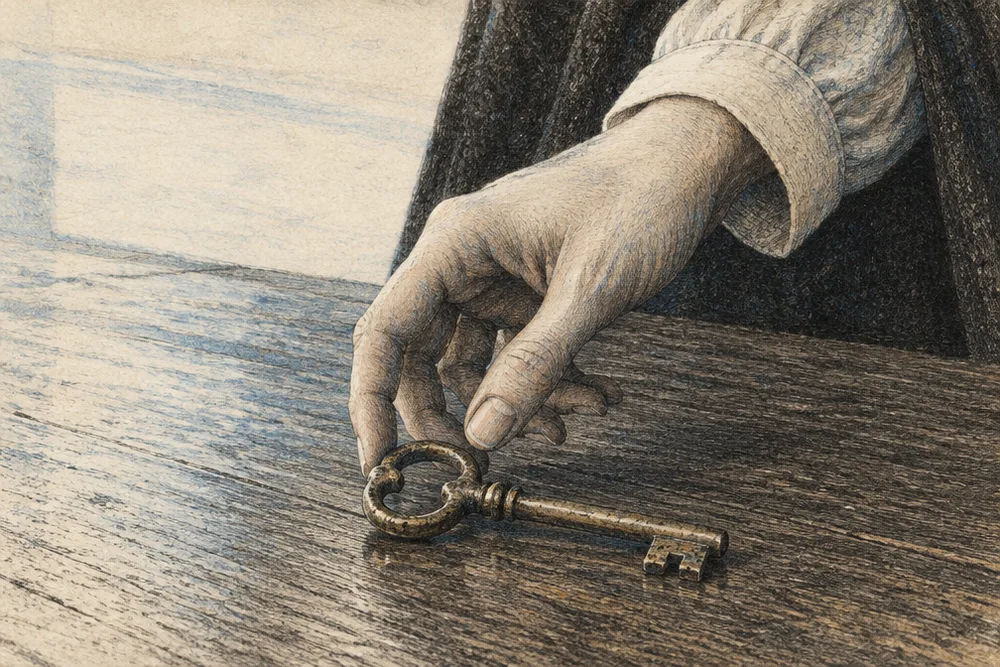
When the reading ended, Ada stood. The hall quieted in uneven stages: a bench creaked, someone shut a cough into a sleeve, then the last whisper stopped. She set a small brass key on the table. It was the keeper’s key, worn smooth at the bow, and it rang once against the wood.
“I surrender the office and its authority under these terms,” she said. Her voice carried without rising. “I do not surrender the right to answer the inquiry.”
The chair beside her remained empty. No one applauded. At the back, one of the mill men folded his hands; in the front row, a woman Kerris knew from the cottages kept her gaze on the key. Ada signed the resignation, then the settlement. When she sat again, the secretary gathered neither paper until the independent investigator had checked each page.
The signatures took the rest of the morning. Every line brought another objection to the surface: how far the search could extend, who would pay for temporary access, whether a family could refuse the public release of a name. Kerris sat beside Avelin and listened while the panel’s first members argued over the wording. She had expected the settlement to feel like a door opening. Instead it felt like a door held by many hands, none able to swing it alone.
A mill representative asked what would happen if the search ran beyond its allotted window. The water reserve could not be treated as an empty margin, he said; mills downstream had already planned their spring production around the agreed allocation. The investigator confirmed that the first funded search would be bounded by time and water budget. Any deeper work would need a further public decision, with the families’ evidence and the mills’ needs both on the table.
Kerris watched Avelin unroll the gauge charts. Their blue lines and pencilled dates showed the old levels against the worn metal rail at the landing. Avelin explained where the passenger rail had been, how the lower stair connected to the pipe, and why the hull’s angle matched the fatal crossing rather than the staged wreck. She spoke without flourish. When one panel member asked whether she could be certain, she tapped the measured marks with a blunt finger.