The Bell Rang Underwater
Page 131 of 266
Chapters
Mrs. Vale’s fingertip remained on the corrected route.
They moved to the schoolhouse because Mrs. Vale insisted the people who used the channel should hear the proposal together. The building stood at the upper end of the cottages, a square structure of gray stone with a slate roof and a low wall around its yard. Children were gone for the day. A row of watering cans leaned beside the door, their spouts pointed toward the garden beds.
Kerris had expected a small meeting. Five residents came in, then two more, summoned by the man with the stiff leg. They arranged themselves around a scarred table, leaving the chairs nearest the door empty. Avelin set her gauge case on the floor and waited until everyone had looked at it before she opened it.
“I can show you the readings,” she said. “I can’t promise the water will stay at one level through the weekend. The drawdown is already under way, and the authority has a schedule. What we can ask for is a bounded search window that doesn’t take more than the reserve allows.”
“That’s not the same as saying it won’t take our water,” said a gray-haired resident named Rorik Sellen. He had a key ring clipped at his belt, and he kept turning the largest key in its ring. “We were promised the old channel would stay serviceable after the flood. Then the landing closed and they filled it whenever they pleased.”
“The channel still serves your taps,” Avelin said. “But you’re right that the schedule has been controlled from above. I’m not asking you to forget that.”
“No one asked us before they drowned the valley,” Mrs. Vale said.
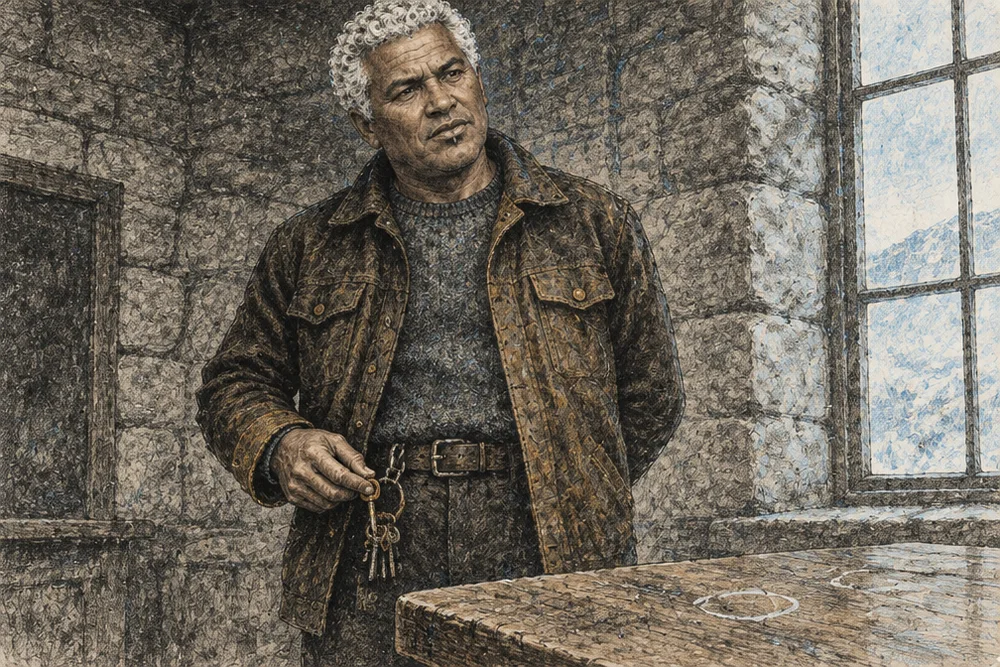
The room quieted. Kerris looked at the worn table, at the knife marks and old pale rings left by cups. Nothing in the room suggested it had been waiting for a search party. It was a working place, kept ready for ordinary uses that the reservoir’s history did not cancel.
“The route can be inspected by any of you before we use it,” Kerris said. “You can set the boundaries with us. We’ll record the crossing, who comes through, and when. If there’s a second phase, we return to ask again.”
“Ask,” Sellen repeated. “Doesn’t mean we have to say yes.”
“That’s right.”
His key stopped turning. “What do you get if we say no?”
Kerris could have said they would find another way. It was possible, though not without risk or delay, and a convenient answer would have made their refusal sound weightless. “A harder approach. Not a right to come through anyway.”