Rent for an Empty Table
Page 82 of 234
Chapters
She had wanted to show she could carry the burden. Instead, the numbers made its weight visible. The line for her own pay was already small enough to look like a printing error. Ruth did not gloat. She only waited, leaving Ola space to look at what she had offered.
Ola turned the forecast so the figures faced her. She had counted on the bakery’s morning trade, not a miracle, but the margin was thin. A surprise repair would come out of her savings. A slow month would come out of her pay. If she borrowed for the oven and the work it needed, she would have to cover the loan payments out of the bakery’s takings, without the board’s allowance.
“I need to take that back,” she said.
Ruth’s eyes narrowed slightly. “The offer to forgo the allowance?”
“Yes. I can’t say I’ll manage it just because I want the lease to work. The numbers don’t support it.” Ola pressed her palm against the estimate, flattening its curled edge. “If I keep the allowance, you need the sole-provider clause. If I keep the shared use, I need another source for the oven. I can’t make those the same bargain.”
Ruth closed the ledger. “That is what the board is trying to decide. We need dependable rental income, and we need a rule about who may enter the terminal after the last boat. The current arrangement grew by habit. Habits are difficult to defend when something goes wrong.”
“Then write a rule that works.”
“That’s easy to say when the risk isn’t yours.”
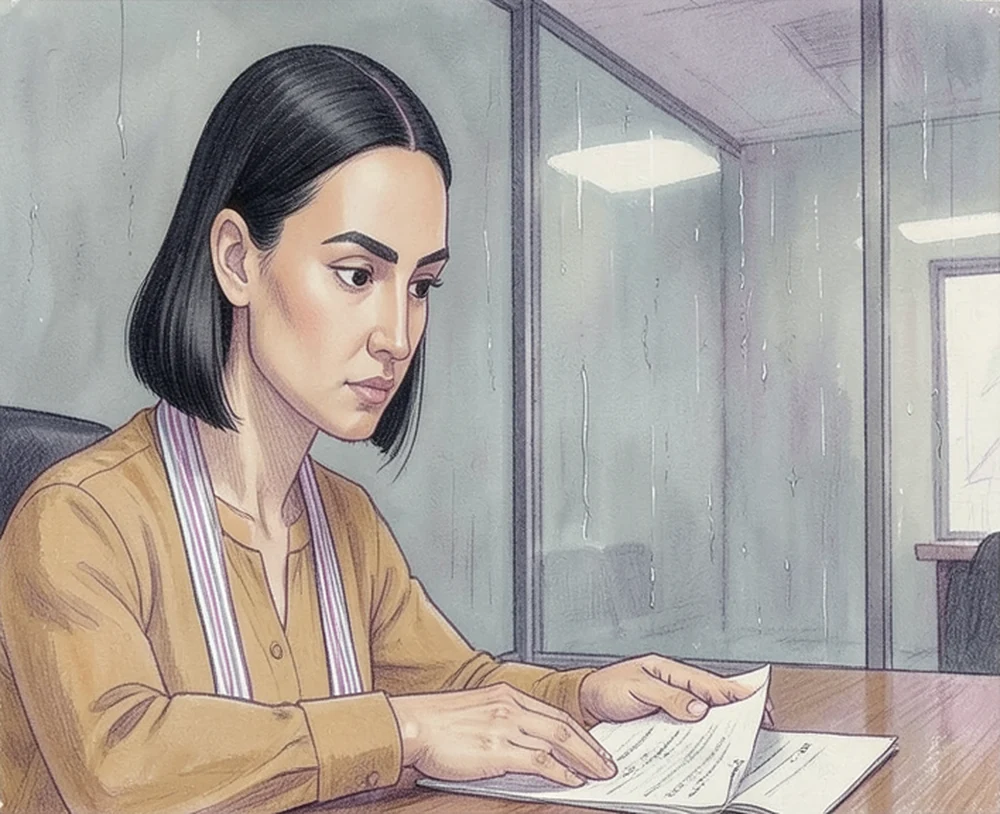
The sentence was not unkind. It landed anyway. Ola looked past Ruth through the boardroom glass. The waiting room was empty in the afternoon, its cream-lit floor showing scuffs near the chairs. The alcove door stood closed. She could picture the folding table under its broom handles, waiting to be pulled out when the last crossing had gone and the dispatch calls thinned.
“It is mine too,” Ola said. “Not the terminal. The risk of being the person who makes a promise I can’t keep.” She gathered the papers, but not the sketch. “I want a business that pays me. I don’t want to build it on unpaid work or on somebody else losing paid hours. If there’s no arrangement that does both, I need to know that before I sign.”
Ruth’s expression shifted—not softening, exactly, but giving way to attention. “What are you proposing the board pay for?”
“I don’t know yet. The late shift is charged as a table expense, but it’s really cleaning hours. Maybe the room has a cost that belongs to the people who need it, not to the bakery.”