Rent for an Empty Table
Page 23 of 234
Chapters
Finn returned to the log. He had spent years treating the table as something that would be there if people needed it. He understood, now, that someone had to keep it there. He also understood that Ola had not promised to do it for him. She had promised to look at the numbers, and that was what he’d asked her to do.
The small difference mattered. He was still thinking about it when the radio called again.
The rest of the night passed in ordinary pieces. A report from the slip. A weather update. The cargo count, corrected twice. At four, the east horizon began to pale behind the glass, though the waiting room lights still held their hard cream brightness. Finn watched the incoming ferry’s lamps move across the water and made the record of its approach.
When Ariane finished, she stopped outside dispatch and tapped the hatch with two knuckles. “I’m off.”
“Thanks, Ariane.”
“You don’t have to thank me every time.”
“I know.”
“You do it anyway.”
She tipped her chin toward the alcove. “Make sure that table’s not blocking the extinguisher again.”
“It isn’t.”
“Good.” She shifted the strap of her cleaning bag higher on her shoulder. “The new one seemed sensible.”
“She is.”
“That wasn’t what I said.”
He looked at her. Ariane’s expression was open and unreadable at once. She had worked here longer than he had, and knew the difference between a person who asked about something because they wanted to understand it and one who asked because they wanted to make it disappear. “No,” he said. “It wasn’t.”
Ariane gave a brief laugh and headed for the staff exit.
Finn finished his notes. The shift ended with the first morning crossing boarding, its passengers bright with sleep and damp from the weather. By six thirty, the night workers had dispersed or changed over. The folding table remained in the alcove, its outline against the wall visible where the dust had not settled.
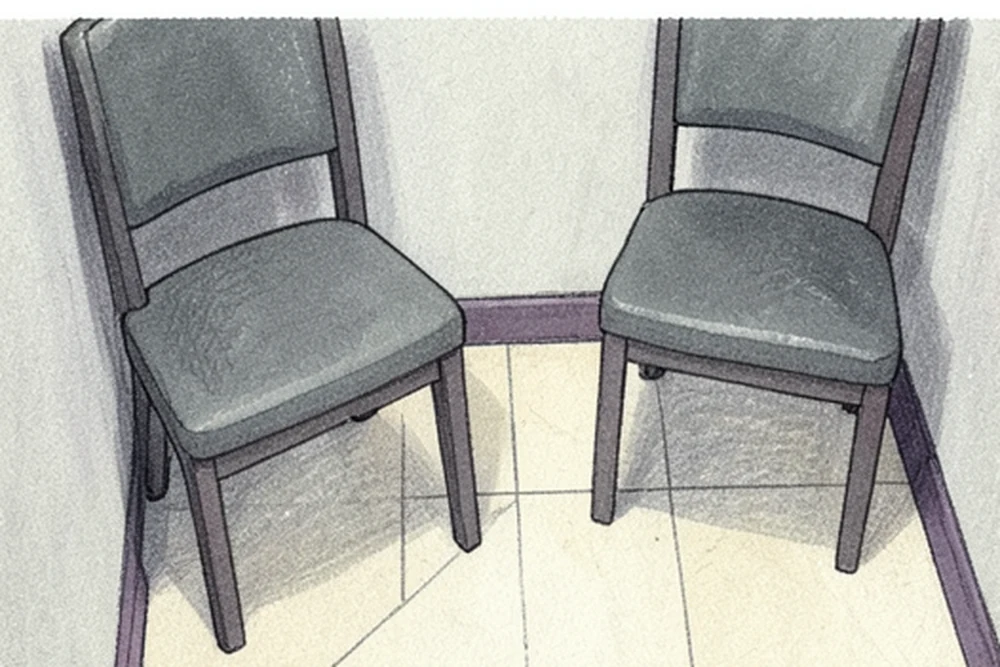
On his break, he stood in the waiting room and looked at the chairs. He could have taken them back to their usual scattered places. Instead, he left two near the alcove, as if they might be needed again. Then he felt foolish and moved them back where they belonged.
He had not asked Ola to return. He had given her a time and waited to see whether she would choose to come. It was better that way, he told himself. Work had made him cautious about requests. People heard a favor as obligation when you were the one who kept the schedule, the keys, or the form that needed a signature. He was not her supervisor. He had no authority over her choices. He still had to be careful not to make his needs sound like part of the job.