Rent for an Empty Table
Page 176 of 234
Chapters
There was no table in the supper zone now, no chairs to prove what the room had been for. The folding table remained in the broom alcove, folded against the wall. She could see its metal legs through the open door. The previous week, she had pictured the bakery’s name painted above the street entrance and bread cooling on these counters. The image still fit, but the room around it had changed shape. It now held a route for a cleaner’s cart and a zone the operator might pay to keep available. Those things were not interruptions to the business. They were conditions of sharing a building with other people.
Ola took a small notebook from her apron pocket and recalculated the storage problem. Smaller flour deliveries cost more per sack; larger deliveries needed somewhere dry to wait. The local mill could split a delivery between two dates for a modest fee, provided she ordered a minimum amount over the month. The numbers were tight but possible if she kept the menu narrow. She wrote down the contact and the minimum, then circled it once.
The lease-account hours would end. Her bakery would lose storage. The reviewer might bring back a rent figure she could not afford. Nothing in the room gave her permission to pretend these were minor inconveniences. She had wanted a business that could sustain her. Wanting did not make a margin appear.
She closed the notebook and looked at the cleared strip of floor. Ariane’s cart had rolled through it without bumping the sink or the shelves. That was one problem solved, plainly and concretely. The rest needed its own answers.
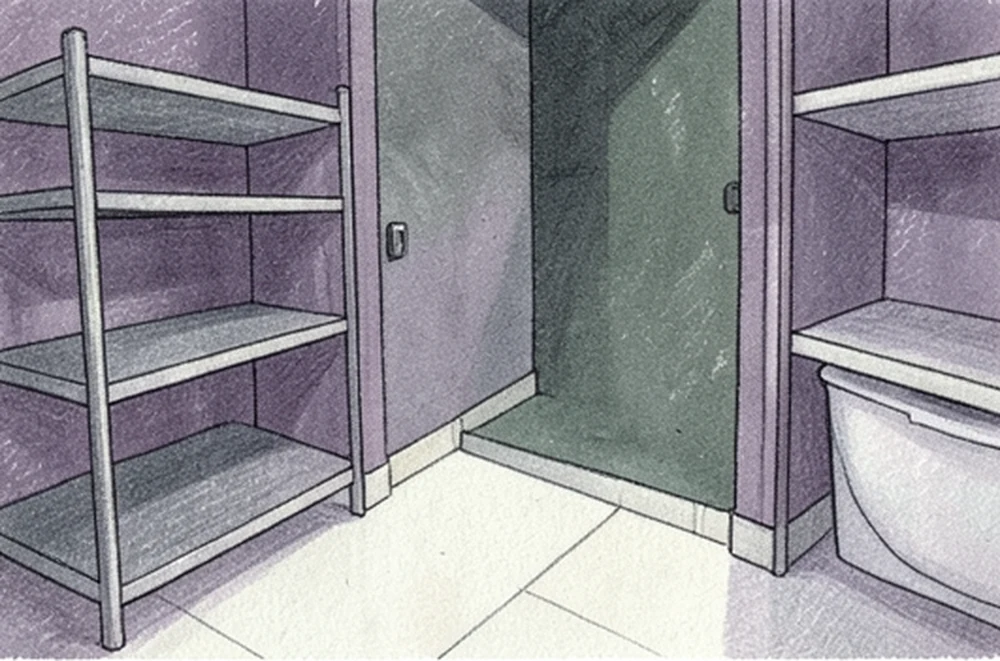
From the passage came the clack of a ferry door and the rumble of luggage wheels. Ola took down the last label, rubbed the adhesive from the shelf with her thumb, and left the space bare.
The independent reviewer arrived the next morning with a measuring wheel, a clipboard, and no interest in the bakery’s name. Ruth introduced them in the waiting room, then stepped away while they examined the footprint. Ola stayed long enough to explain the street delivery door, the proposed storage reduction, and the clear route Ariane needed. She answered questions about the oven, utilities, and the accounts without offering conclusions about what the rent ought to be.
The reviewer measured each wall, checked the barrier line, then rolled the wheel along the route to the sink. Ariane pushed the cart behind them. At the turn, its wheel passed cleanly. The reviewer marked the clearance on the plan. No one called the route generous. It was simply adequate.