Rent for an Empty Table
Page 106 of 234
Chapters
Ruth read the request with her elbows tucked close under her teal raincoat. The board chair had a neat way of keeping papers aligned, tapping each corner against the counter before she turned a page. “You can’t serve inside the terminal,” she said. “Not while the room is closed. And no seating outside the permitted stall footprint.”
“I’m not proposing seating. A hot box, handed over at the door. The crew can take it wherever they’re allowed to go.”
“If they’re on a break, they can leave the site?”
Ola paused. She knew some could. She knew others could not. “That’s what I’m trying to find out.”
Ruth studied her over the rim of her glasses. “A short trial, three evenings. You’ll need to keep a record of every sale, and you won’t have access to the lunchroom kitchen. You can prepare the food in the municipal teaching kitchen. You’ll be responsible for the cold chain and the stall setup.”
There it was: permission, dressed in a list of costs. Ola took the form back to her desk and added hours for the uphill kitchen, disposable containers, transport, and a second insulated carrier. She priced a stew that could hold heat without turning to paste, then bread rolls sturdy enough to survive a paper sleeve. She set the price at what she needed to cover the costs and put a few coins toward the kitchen lease.
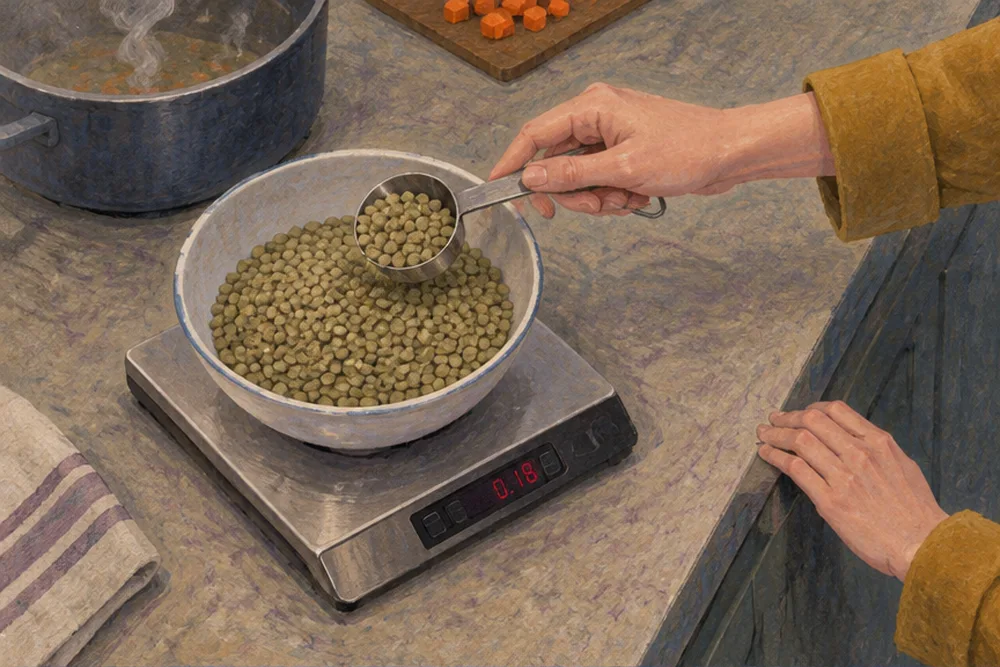
At four, she packed the carrier into her car and drove uphill through streets still wet from the storm. The teaching kitchen smelled of detergent and old onions. Its hourly clock began the instant she unlocked the door. She chopped carrots, weighed lentils, and watched the little red digits creep ahead as the pot came to a simmer. She made enough for a dozen boxes, not because she expected to sell them all but because anything less made the kitchen hour absurdly expensive.
By the time she returned to the terminal, the sky had gone the color of a dish towel left in wash water. Her forearms ached under her cardigan. She set the carrier beside the stall and wrote the price on a slate. The first night’s answer was waiting for her in the faces approaching from the ramp.
The first three people stopped. The first asked if she had tea. The second asked the price, looked once at his phone, and said he would wait until payday. The third, in a rain-dark jacket, bought a box and carried it away before she could offer a napkin.