Please Leave Your Name Inside
Page 98 of 235
Chapters
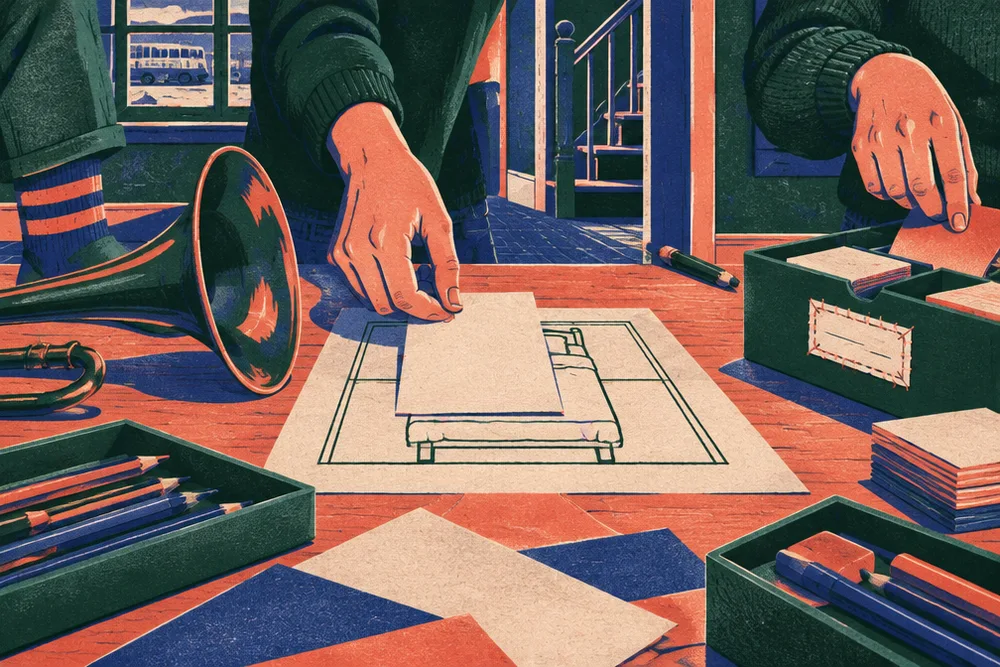
Mara reached over and took one off. “That one doesn’t need Thursday. It needs Tuesday. Moving the place doesn’t move anybody’s shift.”
“We don’t know which ones would move,” Una said.
“Right. So try one that doesn’t.”
Una set the square back on Tuesday, by itself. The exercise had been easier when she was only crossing out a rectangle. She could see a way to buy a longer closing period on one night, maybe, if she didn’t need to buy any opening time on the other. She couldn’t make the square on Tuesday follow the money.
“Could the people on the one night pay a little more?” she asked. “Not for all of it. Just what’s missing.”
Mara sat down at last. She pulled the price sheet closer but didn’t look at the total. “Tell me when I pay.”
Una waited for Sef to answer. He rested both hands on the closed cap of his pen.
“If it’s a weekly amount,” Una said, “I suppose at the beginning of the week. So Alder knows it has enough before it puts people on the schedule.”
Mara nodded once. “All right. It’s Monday. What am I buying?”
“A place for Thursday,” Una said.
“I haven’t seen Thursday’s line assignment yet.”
Una had been thinking of rehearsal, which went on the calendar even if somebody was ill or the room had to change. A shift could be printed on a sheet and still not tell Mara when she would get out. She drew a small arrow from Monday toward Thursday and didn’t know what to write over it.
“If you don’t need it, you get the money back,” she said.
“When?”
Una looked up. Mara’s face hadn’t changed. She wasn’t trying to catch her out; she appeared to be waiting for a day of the week.
“After Thursday.”
“Okay. But I haven’t got that money between Monday and Thursday. And if I do need it, I don’t get it back.” Mara nudged the pencil stub away from her elbow. “I’m not telling you nobody can pay. I’m telling you not to put my money in that box until somebody’s asked me.”
Una touched the coin purse through her pocket. For six Saturdays she’d known what the next Saturday was worth to her. At the end she’d had the whole sum in her hand before she spent it. The trial receipt was still in there, folded twice. She had been about to suggest that a household put up a little money first and find out later what it had bought. A little was doing a lot of work in that sentence.