Please Leave Your Name Inside
Page 139 of 235
Chapters
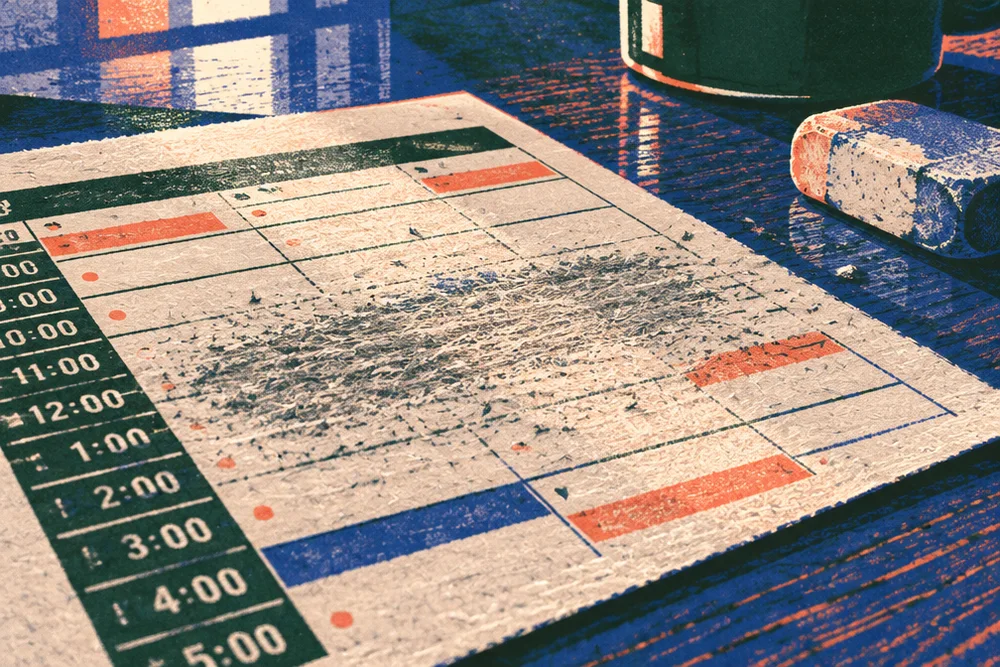
Una recognized the carefulness in the question. No one had to explain why a name on a public sheet might travel farther than intended. “We haven’t decided yet,” she said. “The new shifts show the hardest gaps are Tuesday and Thursday.”
“That doesn’t help us.” The parent held the envelope tight against her coat. “Saturday was what we used. I can’t move my shift, and I can’t make a Tuesday need appear just because the papers say it’s worse.”
Mara shifted her weight. “You shouldn’t have to.”
“Then don’t tell people this is for families like mine,” the parent replied. Her voice stayed low. “If you want me to endorse it, I won’t.”
Una’s first impulse was to explain that the pilot was small, that a schedule had to begin somewhere, that maybe they could alternate. She saw the draft under her hand and understood how those explanations could make a person’s actual Saturday sound like an inconvenience to be smoothed away.
“You don’t have to endorse it,” Una said. “I’ll write down that the hours leave your household out.”
The parent nodded, still unsatisfied. “Write it down. Don’t turn it into a promise you can’t keep.” She set the envelope on the table but did not open it. “Those are the times we can use. That’s all.”
After she left, nobody reached for the envelope. The silence held the shape of her refusal. Una looked at the page where she had written “Saturday households” in the margin, as if a category could stand in for the person who had just walked out.
“We can put Saturday on alternating weeks,” Una said. “Or keep one Saturday a month. It wouldn’t be the same as a weekly place, but it might—”
“Might what?” Mara asked. “Make us feel better about leaving her out?”
Una’s face warmed. She wanted the answer to be no. “No. It might serve her sometimes.”
“And take staff from the nights with the worst gaps,” Sef said gently. “The budget doesn’t stretch to all of it. If we spread hours thinly, we may make every schedule unreliable.”
Mara pulled the attendance notes closer. “If a parent can’t count on a place when the shift runs late, then it isn’t a place they can plan around. We can’t pretend a little of everything is the same as enough of something.”
Una looked down at her draft. She had made the Saturday line bold, as if emphasis could turn the trial into evidence for a permanent program. She erased the word “weekly” beside it. The paper thinned beneath the eraser, leaving a gray scuff.