A Fair Share of Winter
Page 161 of 286
Chapters
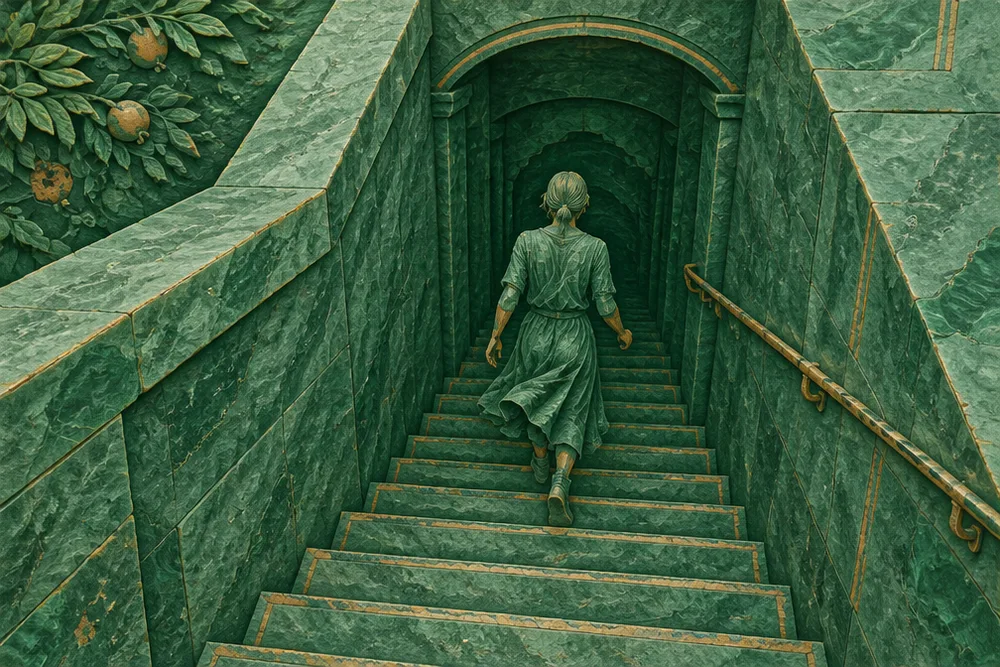
The runner nodded as if he had expected a more mysterious answer, then left. Jory watched him descend until the stair swallowed him. For years, people had mistaken familiarity with a machine for authority over the system around it. He had let them. It had made his work easier.
He packed the orchard receipt copy, his station notes, and the new statement into a stiff folder. The original receipt was with Xanthe. The original ledgers were in the exchange archive. He would not be able to supply the whole proof alone, and the thought steadied him more than it should have. A single witness was too easy to dismiss as mistaken or bitter. A record could be compared; a person could be questioned.
Before bed, he checked his key cord and found the brass key still worn smooth at the thumb. The inspection pass was gone. He left the key where it had always hung, not as a badge but as a tool he no longer had permission to use.
Morning brought a thin vibration through the building, the tremor of Gait settling its weight into the gorge’s lower turn. Jory carried the folder to the Comb Exchange. The clerk took his pass number at the door and directed him to the review table, where the sales and service ledgers lay open beneath glass weights.
The hearing was smaller than the public demonstration. A recorder, two clerks, and one municipal assessor sat at the table. Xanthe stood near the wall with Sella; neither had been asked to speak yet. Jory set down his notes.
“You are aware your inspection appointment is suspended?” the assessor asked.
“Yes.”
“Do you dispute the reason?”
“No. I dispute nothing until I hear the precise finding.”
The assessor’s gaze moved over the papers. “You acknowledge signing the station returns that enabled this sequence?”
“I acknowledge signing the first returns. I did not sign the later copied marks.”
“And you saw a mismatch?”
“I did.”
“Why did you not report it?”
Jory placed his statement beside the receipt copy. “I believed the difference could be reconciled by the next desk. I also knew a correction would delay credits. I chose to close my station figures rather than insist that the whole sequence be checked.”
The recorder’s stylus scratched on the sheet.
The assessor asked whether he had been paid to conceal the entries. Jory said no. Asked whether he had known the cold was being credited against occupied homes, he said no. Asked whether he had made inquiries before retiring, he said no.