Who Gets the Dry Hours
Page 61 of 226
Chapters
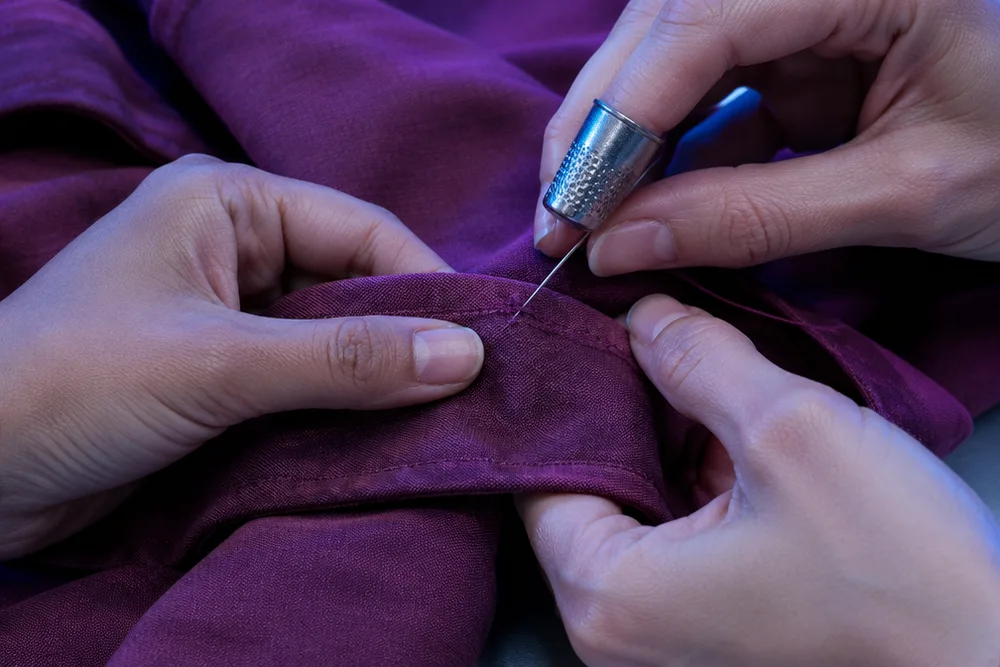
Inez gave her a small pair of snips. Qamar sat on the edge of the folding table, careful not to touch the clean pieces of fabric. She trimmed the loose thread at Inez’s direction, then held the cuff while Inez made two short stitches to secure the weak spot. The work was slower than tightening a nut. Qamar had to hold still and keep the cloth from twisting, and the needle passed close enough to her thumb that she stopped breathing each time it came through.
Davi gathered the bolts back into the tray. “I can put the bin outside,” he said. “Not in the wet,” Mahira replied. “The landing’s dry, but it’s not storage. We need the aisle.” Davi looked at the cart mount, then at the doorway. He had hauled the whole load along the long road to get here; leaving his parts outside would make the trip pointless.
Qamar drew the room again on the back of her schedule sheet. “Tools against the locker wall,” she said. “Fabric and mending supplies on the other side. Nothing stored in the aisle. We can mark a narrow route down the middle.” “The bike still sticks into it,” Inez said. Qamar measured the pedal’s reach with her eyes. She could turn the bike parallel to the wall, but then she would have to reposition it whenever she used the stand. “I’ll move it for each check,” she said. “That costs me minutes.”
“Everything costs minutes,” Inez said, not unkindly. She bit off the thread and smoothed the cuff. “The question is whose minutes you count.” Qamar felt the sentence land harder because there was no flourish in it. She folded her drawing and opened it again, trying another arrangement. The workshop measured only a few paces across, but every object had a reach: a sleeve needed room to lie flat, a wheel needed clearance to turn, a person with a cart needed a route through.
Davi slid his bin toward the locker wall. They found a shallow shelf there for the fasteners and set the heavier tools beneath it. Inez’s mending basket went beside the folding table, with the fabric kept clear of the floor. Qamar moved the bike’s front wheel until its frame lined up with the wall. The aisle gained space, though the workshop seemed tighter, each object made more visible by being pushed to an edge.