Who Gets the Dry Hours
Page 122 of 226
Chapters
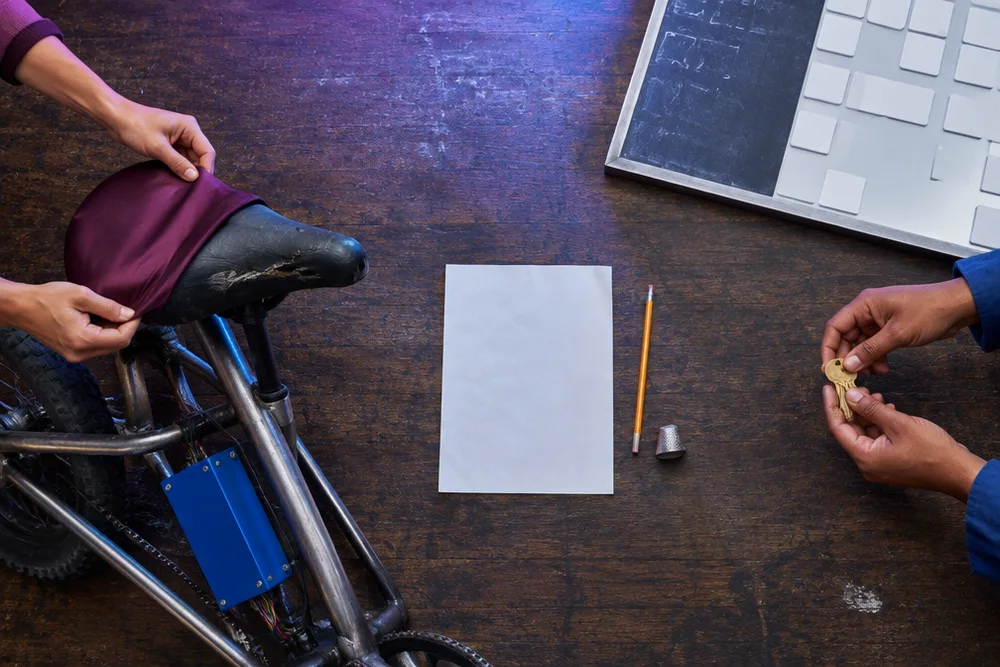
Outside, the man shifted his tray from one arm to the other. He hadn’t gone. Qamar caught his eye through the glass and held up the sheet, then nodded toward the table. He set the tray down by his feet. Behind her, Inez pushed the chair back in, and the narrow space at the end of the table opened up again.
When the bookings ended, they gathered around the table. Qamar brought the trial sheet and a pencil. She expected arguments over the five-minute cutoff: whether it should be six, or ten, or removed altogether. Instead, Inez asked what the rule was meant to protect.
“The time of the next person,” Qamar said. “And the opener’s shift. If somebody arrives late, the rest of the day can slide.”
“Then say that,” Inez replied. “Don’t pretend a clock can tell whether someone has abandoned a booking.”
Davi had come in after his own block, blue track jacket dark at the shoulders from the weather. He stooped over the table to listen. “A phone-in might do it,” he said. “You call before the block starts, say you’re coming, and they hold the place for a little while.”
“Not everybody can call while they’re on shift,” Inez said. She turned the thimble around her finger. “Some handoffs happen on a floor where you can’t use a phone.”
Mahira set down her key ring. “And someone has to answer it. We’ve already learned that opening coverage is not free.”
The trial opener, standing by the door, nodded. “I can take a message if I’m here. But if I’m alone, I can’t leave the room to check the phone.”
Qamar wrote two words on the sheet: grace period. “Could the person call or send a message to the community center before the block? The opener checks at the changeover.”
“And if the message comes late?” Davi asked.
“Then the next user can decide whether to wait, if their booking allows it.” Qamar stopped. It was tempting to fill every gap with a rule. “Or we can set a limit that doesn’t pretend every shift ends on time.”
Inez leaned over the page. “Ten minutes. Call or message before the booking ends. If no one can confirm, the next booking goes ahead. No personal overrides.”
“What if someone can’t send a message?” the opener asked.
“They can tell the next person, if they’re here,” said Davi. “Or lose the block. That’s still a rule. It just doesn’t punish them at minute five like we knew their shift would end on the dot.”