Where the Lost Mugs Go
Page 31 of 156
Chapters
“I wanted to. I didn’t.” She glanced at Nessa now. “You were so certain about Ada’s instruction. That wasn’t how she talked about things. She’d say she wanted something; she wouldn’t make a ceremony of it and then tell you alone.”
Nessa felt the sentence enter the space between them, joining the other facts. She had once imagined that Ruth’s belief in her had been the thing she’d damaged. She had not considered that Ruth might have spent the years after the funeral carrying disbelief as well as grief. “Why didn’t you say?”
“I did say. I asked where you’d found the mug, whether Ada had told you in the morning or the night before, whether you were sure.” Ruth’s elbows remained tucked close to her sides. “You answered every question. You gave me details. I thought you’d decided you would rather maintain the story than tell me the truth.”
Nessa remembered the narrow kitchen, the stainless-steel counters gone cold after supper, Ruth standing by the open cupboard. She remembered being angry at the questions, then ashamed of the anger, then running out of words. She had quit a few weeks later. She had told herself it was because the work was too much after Ada died, which was true, and that leaving would give Ruth room, which had never been hers to decide.
“I could have asked again,” she said.
“You could have told me.” Ruth rubbed the edge of one thumbnail with another. “Those are not the same thing.”
Nessa nodded once. The movement felt like consenting to a verdict, though Ruth had not offered one. She had no right to turn Ruth’s words into a punishment she could endure neatly. “I did it because I was ashamed. Then I kept not telling you because it got harder. I thought if I came back with it, you would know what I meant.”
“What did you mean?”
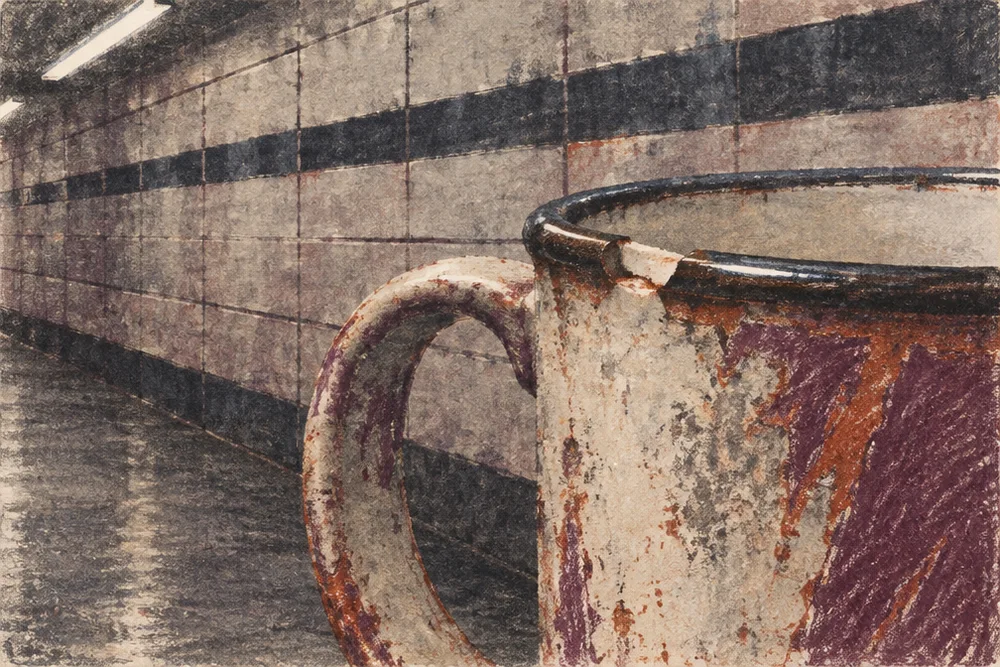
Nessa looked at the mug. “That I was sorry. That I hadn’t meant to take it away from you.”
“You did take it away from me.”
“Yes.”
Ruth did not raise her voice. That made it harder to answer. Nessa wanted the old kitchen back for a moment—not the work or the grief, but the familiar way they could divide a task between them without explaining. One held the tray; the other opened the door. One rinsed while the other dried. That closeness had not been proof that no harm could be done. It had only made some kinds of harm easier to hide.