The Soundcheck Before Monday
Page 65 of 165
Chapters
It was more than a microphone checklist. It was an invitation that had to include the option not to accept. Rhea pictured a printed notice taped by the lobby entrance, short enough for someone to read before choosing a seat. No recording. A visible way to pause. Notes limited to decisions and approved statements. A clear warning that public speech could not be recalled.
“You can stop me if I get it wrong,” Rhea said, then heard the burden inside the offer. “Not by appearing. Just if you want to.”
“I’ve already said what I want.” Bea lifted the cup. “You don’t need me to supervise your listening.”
The answer stung because it was fair. Rhea had offered Bea another job: keep watch, correct the volunteer, lend her experience to a process she did not want to join. She had meant to be respectful and had made respect into a task Bea could perform for her.
“You’re right,” Rhea said. “I’ll make the rules without asking you to manage them.”
“You can ask other people, too.”
“I will.”
Bea set the emptying cup beside her. “And if someone raises a hand and says stop, don’t make them explain why before you stop.”
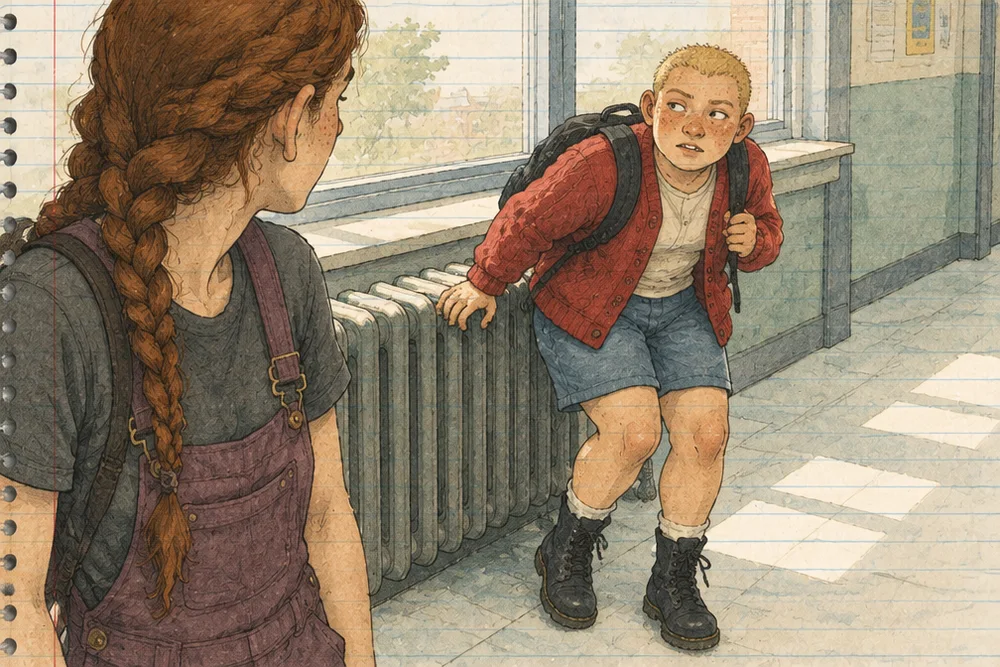
“A hand might be hard to see from the booth.”
“Then figure out something people can see.”
It was not a demand to be brought onstage. Bea’s eyes had not shifted toward the auditorium, and her feet stayed planted on the lobby tile. The suggestion belonged to the room, not to her as a performer. Rhea found herself looking around for possible signals. A raised hand could be missed if the audience was crowded. A bell would be audible but might embarrass whoever used it. A bright card could be held up by anyone and seen from the stage.
“A card,” Rhea said. “Something bright enough to see. Whoever holds it doesn’t have to speak.”
Bea considered the idea. “Maybe. Don’t decide it because I said it. Ask people whether they’d actually use one.”
“I will.”
“And don’t make the person who holds it explain what they’re stopping. The room can go quiet. You can mute the microphones. Then ask what they want to happen next.”
Rhea imagined the simple movement: hand rises, card appears, sound stops. No questioning the person who had asked for the pause; no presumption that the issue was harmless because the person had not provided a speech. She saw a protocol taking shape, still incomplete, made of permission to halt rather than a promise that nobody would ever cause harm.