The Last Shift at Dusk Radio
Page 98 of 181
Chapters
“Can you make another copy?” she asked. “One for the window, one for the people at Foundry Loop. Mark the east-bank pickup done, but keep the west-bank canteen information separate.”
“I can.” He unrolled the sheet and smoothed its curled edges. “Do you want the rider count on it?”
“Twelve reported aboard. Don’t put any names. Don’t put the hospital caller’s number.”
“And the person at Malt Steps?”
“One reported aboard. No name.”
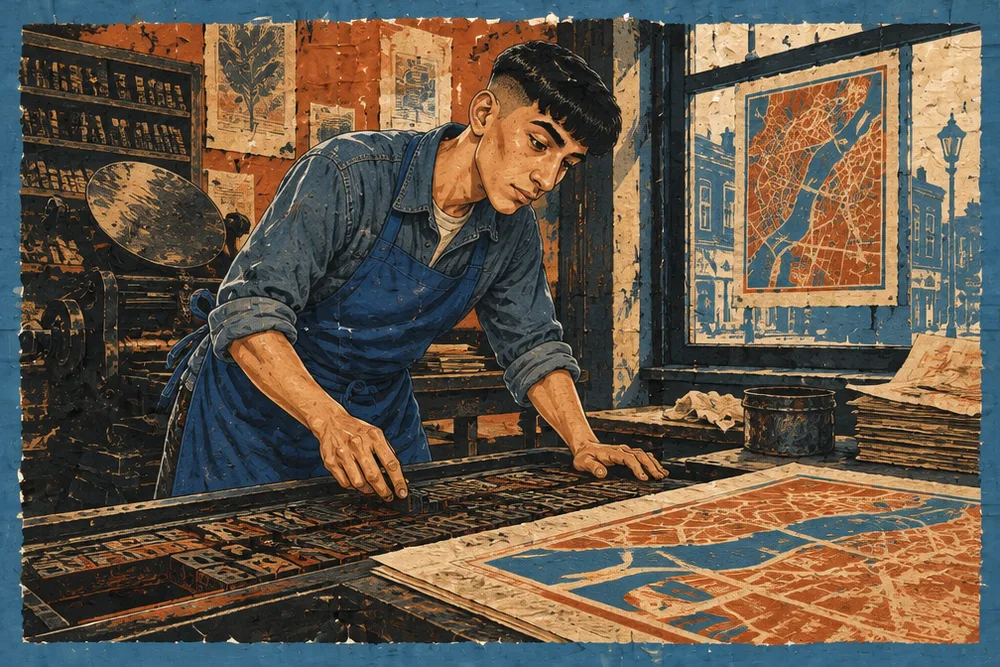
Kit nodded and began setting type in the small letterpress downstairs. The first clack of the press sounded through the floor, followed by the scrape of a tray. Zadie listened to the town’s remaining calls: one person asking whether Dock Gate was still served, though the pickup had passed; another asking if the canteen would stay open until dawn. She gave each answer with the time attached, so no one would mistake a finished ride for a continuing service.
At 3:26, the west-bank caller from Foundry Loop rang again. “They’re still open,” he said. “There are five of us in the side room now. The person at the door has a list, but it’s just to make sure nobody gets overlooked. Not an official count.”
“Would you like me to share that?”
“You can say five people are there by caller report. Don’t make it sound like they’ve been accounted for by the agency.”
“I’ll say exactly that.”
She added the update to the broadcast. It felt strange to be speaking to the dark as if it were a room filled with people. Perhaps it was. The transmitter reached kitchens, bus shelters, hospital corridors, and the canteen’s side room. Anyone listening could hear the limits in the sentences if she left them there.
The caller asked, “Does your station close at five?”
“The license ends at five. The transmitter will be shut down.”
“So after that we can’t call?”
“Not on this line. The print shop window will have the map and a place to leave corrections. I’ll announce the details before sign-off.”
“Good,” he said. “People need somewhere to tell you when it’s wrong.”
Zadie glanced at Kit’s back as he worked the press. He had said the same thing about the map, without saying it aloud. The paper between them was not a solution. It was a surface where mistakes could be seen, crossed out, and replaced.