The Last Bus Was Ours
Page 140 of 229
Chapters
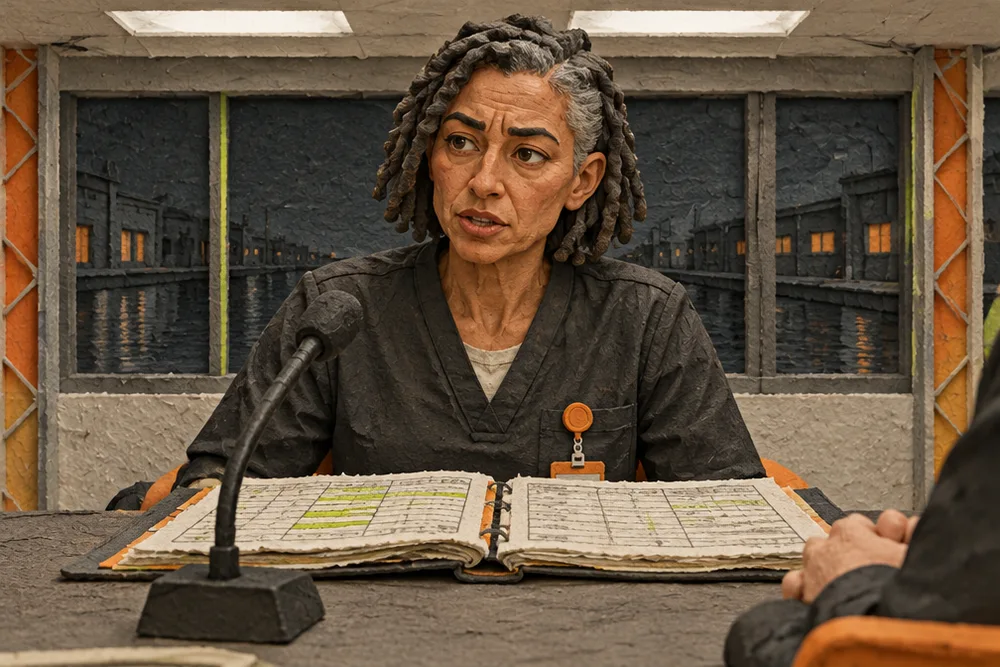
Dalia did not say that every cleaner would lose a job. She did not make the panel imagine a catastrophe. She named the policy written on the hospital notice: late arrivals were recorded, and repeated lateness could cost a worker preferred shifts. The crew could not simply begin later because a bus schedule had changed. The handoff belonged to the hospital; the crossing belonged to the city.
One of the panel members asked how many workers used the bus. Dalia gave the number from their log, then explained that the log counted badges, not relatives or coworkers who sometimes shared a ride. “We don’t have a car pool we can promise,” she said. “Two people lending out their cars isn’t a transportation plan. It’s two people taking on another job.”
Uma felt the urge to add something—to say that she had seen the hospital gate herself, that she had walked with Dalia from the stop to the lockers, that being five minutes late had a shape and a consequence. But she had yielded the slot. The urge was not the same as permission.
“The exchange is budget-neutral,” Veda said. “The service block is moved, not expanded. That is the proposal before us.”
Dalia looked down at her log. “I understand the arithmetic. I’m asking you not to call the trip optional because the average is small. We have to be there before the shift starts.”
The panel member with silver glasses tapped his pen. “Would the crew support the 21:09 run if the morning trip were removed?”
“I can’t trade one group’s job security for another group’s ride home,” Dalia said. “We asked you to keep the morning run.”
The words landed in the room without force, like a tool set down on a workbench. Uma watched Veda turn an orange binder clip between two fingers. Veda had offered to move the exchange if the testimony supported it. She had been ready to count Uma’s vote as the deciding one. Now the question was no longer whether the late bus was useful. It was whether usefulness could be made to cancel out a different need.
Dalia closed her folder. “Thank you for hearing our times,” she said, and stepped away from the microphone. No applause followed. A few cleaners shifted in their chairs, their work shoes making small sounds against the floor.
Uma sat down beside Orin. He glanced at the schedule on her lap, then at the panel. The lime 21:09 seemed almost too bright under the room’s white lights. He did not touch it or tell her what to do next.