The Kite That Carried the Border
Page 136 of 224
Chapters
The rule in her hand gave her distances, not permission. She measured the space between two terrace flags, then folded it closed. The old ceremonial line had promised a simple answer from a flight. Now even a provisional sack of flour depended on who could see it arrive, who would lower it, and who would be allowed to count it.
A cart stopped behind her. One of the orchard workers was loading the day’s sacks, checking the household marks against a slate. He glanced at her papers. “You think they can make the receiving place above the stain?”
“I don’t know yet.”
“Then I suppose that’s why you’re measuring.”
“That’s why I’m asking people who have to use it.”
He lifted a sack into the cart. “Ask the ones carrying it, too.”
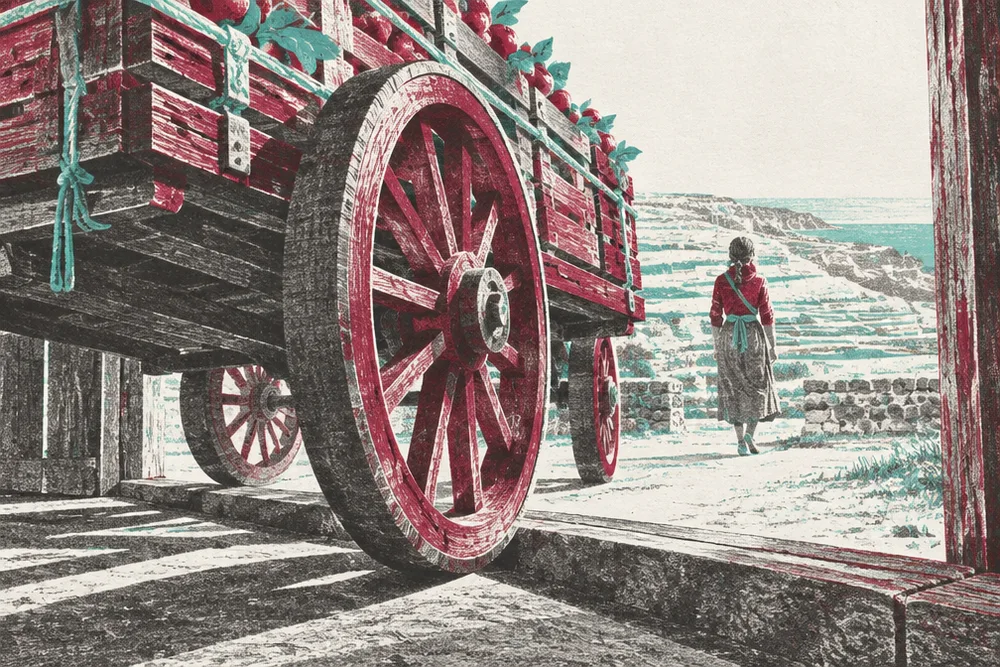
Tess nodded. She had learned that a line could be accurate and still leave out the approach to it. At Blind Shelf, a barrel number had left out a person. At Cold Mouth, a border had divided a dry platform from the route that made it useful. The receiving point could not be a dot placed for neatness.
The cart rolled on. Tess watched until it passed through the shed doors, its load still counted in the open register. Then she tucked the receipt copy beside her amended log, keeping both visible at the edge of her folder rather than hiding one behind the other.
A measured portion, not a full granary. A promise with conditions, not a rescue. Tess turned toward the relay station to send word to Rusk and the camp delegates. The next answer would have to come from people who could offer fittings, labor, and a place both valleys could reach.
At the relay station, Tess dictated the terms twice: once for Blind Shelf, once for the Rusk Fold households. She specified the provisional amount, the common-reserve source, and the requirement that no household winter share be reduced. She included the receipt finding without dressing it up as a verdict: both valleys had been charged for the same freight lowers; the destination of the second payment remained unverified.
The relay keeper read the message back. “You want them to answer on the receiving point before the flour moves.”
“Yes.”
“And if they answer separately?”
“Keep both answers. Don’t combine them into one agreement until they have seen the same measure.”
The keeper marked the message with the date. Tess watched the ink dry. A message could be copied, delayed, or trimmed by someone who thought a clean summary was more useful than an awkward fact. She asked for the original wording to travel with it.