The Bench on the Moving Truck
Page 122 of 152
Chapters
Mr. Hsu summarized the change in position. The landing remained clear; the turning space was beside the seat, not behind it. The bench could be moved if the trial showed the arrangement did not work. The rain problem was not fixed, he said, only documented.
A board member in a rust-colored scarf tapped the maintenance form. “If the library provides the location, can the former tenants contribute volunteer clearing? We don’t have a new line in the budget.”
Lenora had prepared an answer and disliked how practiced it sounded. “I can’t speak for their time. We’ve already learned that a place can look available while the work required to use it falls on someone who wasn’t part of the decision.”
The member’s pen stopped. “So what do you recommend?”
“A shared maintenance plan using existing site budgets, if the transit office agrees. The stop and forecourt serve the same people. We should ask both departments to name the task and the hours before anyone calls it a contribution.”
A second board member turned toward Inez. “Would you be willing to keep observing after hours?”
Inez sat with both hands folded on the table. “I’ll document the stop I use. That’s not the same as taking responsibility for the bench. I work nights. If you need a formal inspection, pay whoever does it.”
Nobody argued with that. The pause lasted long enough for Lenora to notice how often, in earlier meetings, silence had been treated as agreement.
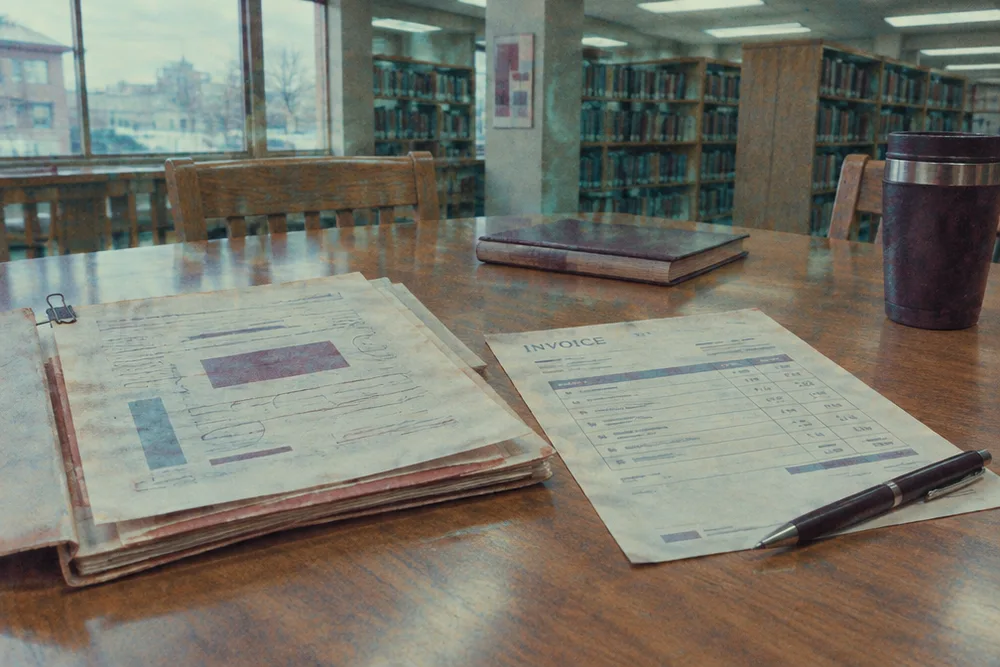
Omar slid his invoice across the table. It listed the crew’s delivery, the adjustment, and the return visit to measure the new location. He had not rounded down his hours. Lenora was glad to see that; not because it was cheaper than the first figure, but because it was exact.
The board asked for a cost estimate for a winter check. Mr. Hsu said he could approach facilities and the transit office. The proposal would not create a new contract if each could absorb its share into existing site maintenance. Nobody said it would be easy. The board agreed to ask, and to keep the trial in place while the answer was pending.
Lenora wrote down the date of the next review. A question had become a task with two offices and a deadline. That was not the same as a solution, but it could be carried forward without pretending somebody had volunteered.
The transit office replied first. Its representative, a woman named Ms. Vale, met them at the forecourt on a cold morning when the clouds hung low over Dallow’s river. She brought a diagram of the bus stop’s service area and a list of duties already assigned to the route crew.