Put the Empty Chair on the Plan
Page 238 of 271
Chapters
Yarrow watched the council members take that in. The sale option had lapsed; that was already done. She had lost the agreed price by refusing to hand over a clean disclosure that concealed the duty. Merrit’s lease was not the life she had planned when she put down a deposit at Ridge Rooms. It would keep Sill Hall open, and it would not erase her own need to leave.
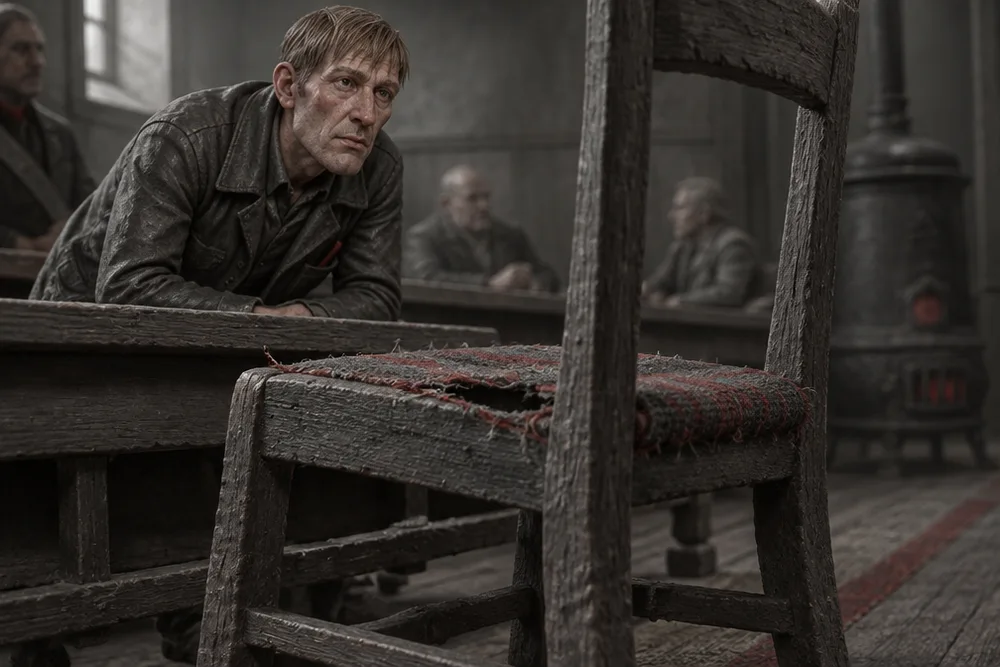
The chair’s blank intake tag hung from one arm. A council member had proposed calling it unclaimed property at the previous session; now nobody reached for it. The chair was not an artifact to be locked away or a witness to be interrogated. It was furniture, damaged and ordinary, except that ordinary had been the very thing Orla had never been allowed to make of her promise.
“I move the amendment as read,” Pellan said. “The presiding officer has responsibility for the setup check, and the acting officer takes it if she is absent. The chair remains outside the voting seats. The plan and the roll are retained with the meeting records.”
“Second,” said Sella.
The chair’s legs rasped as someone at the counter shifted their stance. The sound made Yarrow look toward it. The bell did not speak. She could not tell whether the silence was a warning, an interval, or nothing. She had learned not to use the bell as an answer simply because an answer would make decisions easier.
Sella arranged the vote in order, calling the members by name. Yarrow stood beyond the clerk’s table and watched hands rise. The camera of the room, if there had been one, could have caught every hand at once: some high, some hesitant, a few held against sleeves. No one looked up the stair for permission.
The motion carried. The sound of assent was not grand. It came in scattered yeses, a rasp of chair legs, a short breath released by someone near the stove. Sella marked the result in the ledger with a firm line beneath the count.
“Carried,” Pellan said. “The seating plan and the accompanying roll will be entered as adopted. Clerk, please bring the plan forward.”
Sella took the bone-paper sheet from beneath the agenda. Black ruled boxes divided its surface into the voting seats, the clerk’s table, the stove clearance, and the aisle. One box sat beyond the voting row. A crimson thread passed through a revision hole, holding the added space in place. Yarrow had watched Sella draw it the night before, testing the distance against the accessible aisle, moving her own table rather than shifting the chair.