Put the Empty Chair on the Plan
Page 118 of 271
Chapters
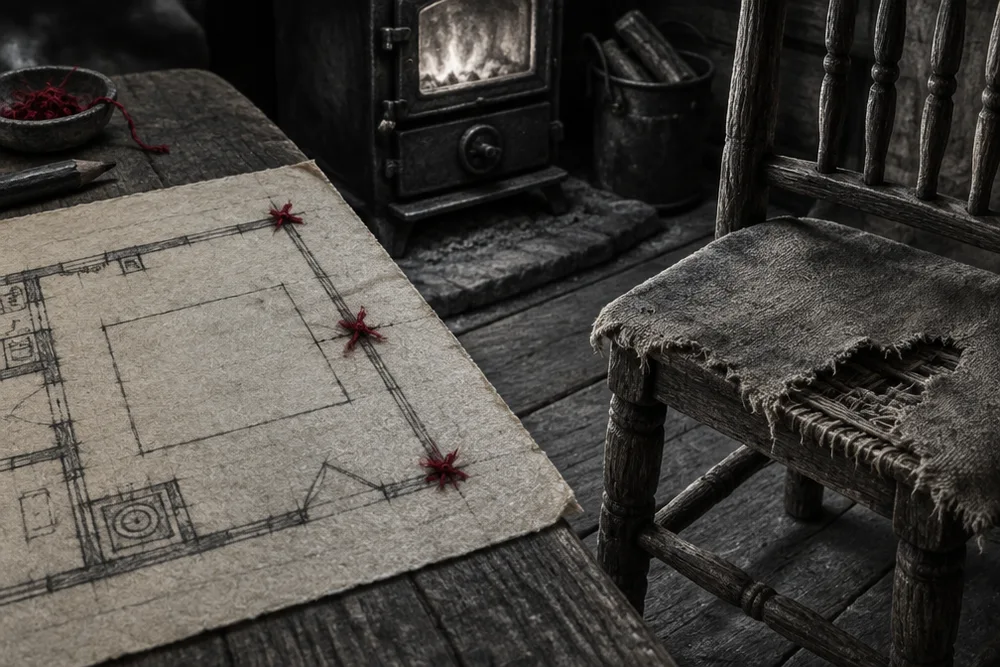
“You could give me a footprint,” he said. “A mark my foreman can follow. If it has to stay out of the way, we can build around it. We can stack benches at night and keep it by the stove.”
“I tried that,” Yarrow said. “When it’s in the place, the speech stops. If you move it, it starts again.”
“And if it’s in the place, I can’t use this room for meetings.” He spoke slowly, as if choosing the words for a difficult customer. “The sale requires the public-use covenant to be released. I can’t take the hall and keep the meetings going. My crew can’t work around a public gathering every time the council needs a room.”
That was the bargain they had discussed before the first peal: a sale, if the council released the covenant, and an upstairs room offered in exchange. But the bench had wedged on the stairs. One tenant had been unable to climb them. Yarrow had withdrawn her endorsement, though the price had been the one that paid her inland deposit and left enough for moving. Merrit did not try to pretend the alternative still worked.
“I don’t expect you to carry this by yourself,” she said. “I’m trying to write down what the next person would need to know.”
“Then write that the bell talks when the chair’s moved.” He pressed his thumb on the plan’s curled edge. “I can’t ask my staff to accept a rule none of us can explain, in a building where I’m not allowed to hold public meetings. I can’t sign a duty that makes no sense with the work I’m buying it for.”
Yarrow looked at the names on his roster. The crew had not put their lives on hold because they believed in the supernatural. They had held because Merrit had offered them work, and he had offered it because he believed he could buy a hall and make a workshop. She had no right to turn their schedule into proof that he should accept an obligation he could not explain.
“What if I write that the hall has a customary arrangement?” she asked. “No account of the speech. Just that the chair stays in that position.”
Merrit turned his head to hear her, though the room had gone quiet. “That would tell the next person where to put it. It wouldn’t tell them why you’ve made it a condition.”
“It would let them decide whether to keep it.”