One Chipped Molar, One Mended Cardigan
Page 235 of 273
Chapters
The porter’s expression tightened. “I have a route to make.”
“So do we,” Neri replied. “If a bundle goes missing, they’ll say the night crew lost it. We’re not accepting a number nobody checked.”
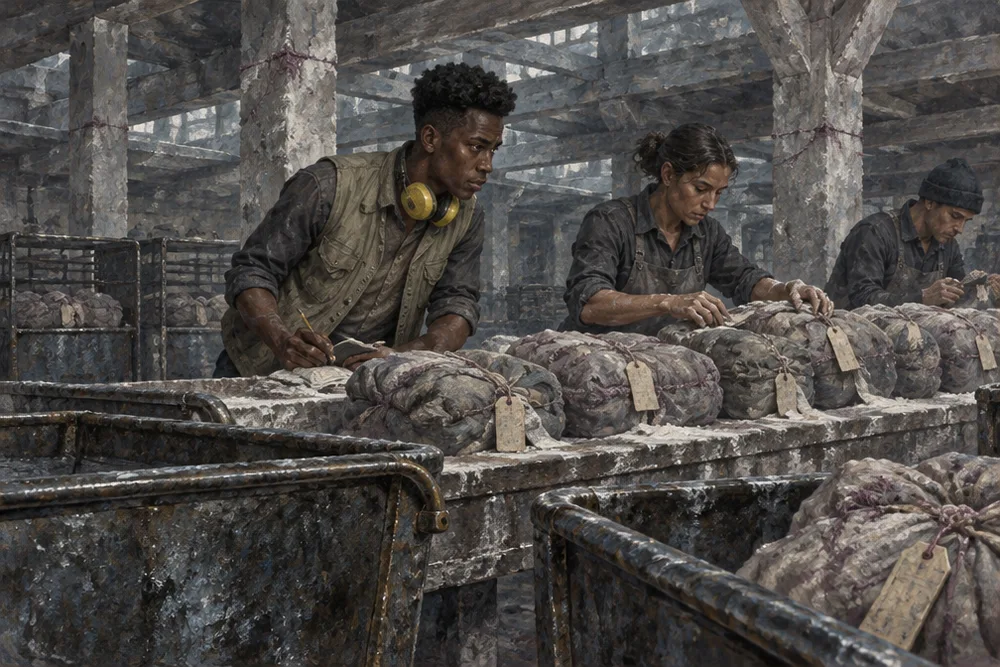
Marta watched the exchange from the desk, feeling the urge to step in and smooth the porter’s impatience away. That was her old reflex: make the room calm, take the blame herself, keep the work moving. Instead she opened a second sheet and began counting alongside Neri. The porter sighed, then helped. Each bundle got a paper tag, each tag a destination and a return time.
They sorted linen into the bakery’s borrowed washers, whose smaller drums forced them to split loads the old plant would have swallowed at once. The first wash ran twenty minutes longer than the depot estimate. Neri logged the delay without rounding it down. A worker came to Marta with a wet cuff and said the dryer had stopped halfway through.
“Leave it,” Neri called across the room. “Don’t guess what it needs. We’ll inspect the lint trap, then restart. Put the delay in the book.”
“You’re going to make us look slow,” the worker muttered.
“We are slow,” Neri said. “Today. If we pretend otherwise, they’ll price us like a miracle.”
At noon, they had washed and dried the first load. It was clean, warm, and late. Marta felt the word late settle over the room like another damp sheet. At the old plant, Number Four’s threats had made every ordinary delay feel like a warning from something hungry. Here, the machines were merely old and undersized. They could be repaired. Their failures could be named.
Neri read the figures aloud. Intake and counting had taken thirty-one minutes. Sorting had taken longer than expected because the ward bundles were mixed. The dryer’s pause added eighteen. The clean linen was ready for dispatch one hour after the clerk’s promised estimate.
“That won’t serve the route,” the clerk said from the office door. “You were given a trial window, not a schedule.”
“And we’ve given you a schedule,” Neri said, tapping the log. “The trial window is what made the numbers honest.”
The clerk looked to Marta. She could feel the question forming: would she make this easier for purchasing by describing the slowest parts as a first-day mistake? For years she had been told the service had to be kept whole, no matter what it cost the people inside it. But false numbers would only make a new plant into another trap.
“The times stand,” Marta said. “We can test a second load with the route sorted before it arrives. That will tell us what can improve. It won’t make these minutes disappear.”