Fresh Sheets, Breakfast on the Stairs
Page 97 of 248
Chapters
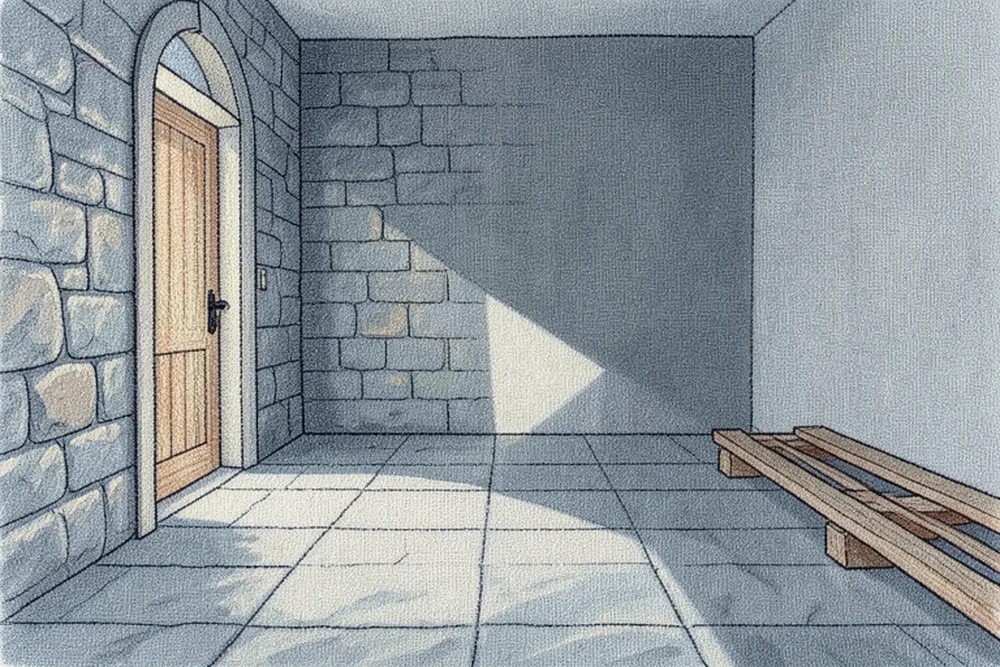
“It’s steady,” he said, standing just inside the ground-floor door. “Weekly pay. Proper extraction, dry stockroom, no chasing customers for deposits.”
Willa wiped her hands on her apron. “And the hours?”
“Eight to four-thirty. Saturdays in the busy season. We can discuss a lead position after you’ve settled in.” He looked around at the bare stone room. “You’d be leaving this?”
Willa had not told him she planned to take the tower, because she did not have it yet. She also had not told him how often she pictured this room full of boards and the smell of cut wood. “I’m considering a lease.”
“On a place that needs repairs?” He kept the tone friendly, which made the objection harder to dismiss. “I’m offering you a wage, not a gamble.”
He was right about the wage. Willa took the card and read the salary again. It would cover her rent and expenses without depending on a new customer each month. She could keep her savings intact. She could stop waking at night to imagine rain reaching the underside of her lumber.
“I’d be building other people’s work,” she said.
“That is what a job is.”
“I know.” She folded the card once, along the printed edge. “Thank you for coming. I’m going to decline.”
He frowned, not angry, just puzzled. “You’d rather take your chances?”
“I’d rather try to make a living at the work I chose.”
He put his own hands in his coat pockets. “If you change your mind, the position may still be open.”
“I appreciate that.”
When he left, the room seemed colder, although the door had not been open long. Willa placed the card in the drawer with her receipts. She did not tear it up. A choice did not become more meaningful because she refused to remember what it cost.
She stood over the layout chalk and pictured the table, the tools, the window that no longer leaked. The numbers remained tight. Local work would have to come in. She would need to make her bids carefully and charge for each change instead of telling herself a client would remember her kindness later.
The shed had taught her what it cost to wait for someone else to make her life dry. The tower was not a rescue. It was a chance to build something with her own hands—and a risk that belonged, for better or worse, to her.