Fresh Sheets, Breakfast on the Stairs
Page 36 of 248
Chapters
“The rule gives them somewhere to ask.” Willa poured. “A person shouldn’t have to be visibly falling over before anyone believes they’re tired.”
Hester looked down into her tea. “I’ve been doing this long enough to know that. I still miss it sometimes.”
The admission settled between them without any demand attached. Willa liked that. She sat on the end of the bench, leaving room for Hester, and took a drink. The tea was strong and had gone slightly bitter from sitting too long. Hester drank hers anyway.
“Ida wants to see how the trial goes,” Hester said. “If the board’s satisfied, they may make a more formal arrangement for the ground floor.”
“And the cot?”
“It stays as it is for now. The board has to decide what they’re willing to maintain. I can’t make promises about the whole building.”
Willa nodded. “Then we keep it working as it is. Quiet before eight. Noise after. If the schedule changes, we say so.”
“That sounds manageable.” Hester’s shoulder brushed the stone wall behind the bench. “You make things seem straightforward.”
“They rarely are. But you can still write down what you’re trying to do.”
Hester’s eyes met hers over the cup. “I’m glad you came to measure the tower.”
Willa felt heat climb the back of her neck. She set her cup down before she could spill it. “I’m glad the floor is level.”
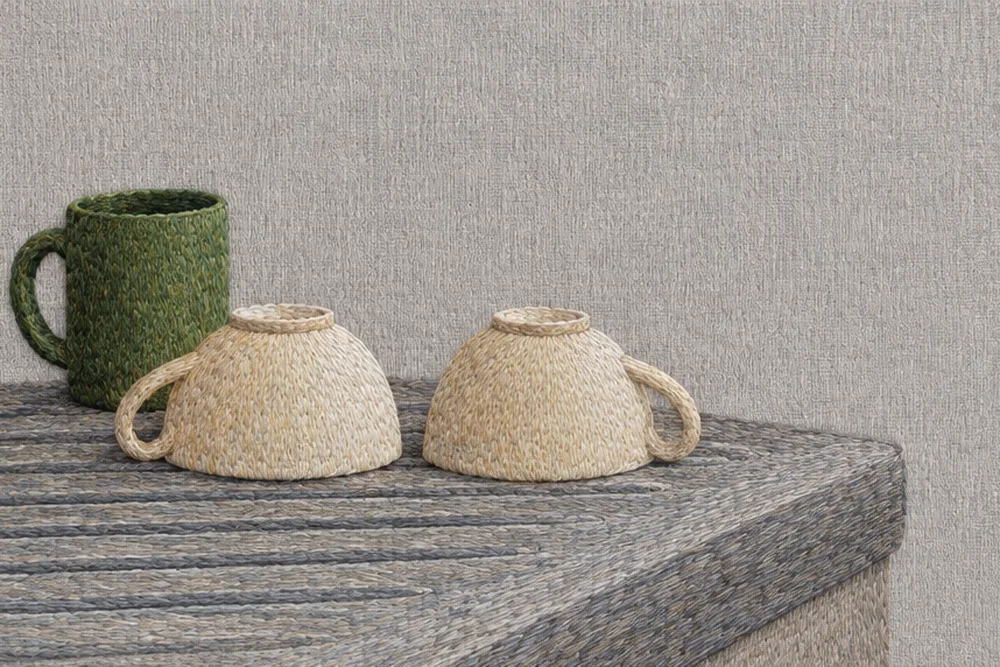
Hester left when her phone signaled the next shift check. She took the empty cups to the basin, rinsed them, and set them upside down beside the mug that had been there all day. Willa watched her go, then finished sweeping the last curls of alder from the floor. She did not ask Hester to stay. She did not ask when she would be back. The tower’s agreement was still tentative, and she had learned to be careful with things that felt like gifts.
In the morning she arrived before the first ferry and opened the street door softly. The watchroom remained quiet. She did not climb the stairs. Instead she took her tools from their cloth roll and sorted them on the bench, working without striking or scraping. The first task was to shape a thin wedge for a window frame. She shaved it by hand with a small spokeshave, the movement gentle enough to keep from carrying up through the stone.
She was testing the wedge when the ferry’s arrival bell sounded from the quay—a short electronic chirp, not the deep note the tower had once sent over the water. A door opened upstairs. Kit’s steps crossed the landing, then came down at an unhurried pace.