Bus Stops and Spin Cycles
Page 50 of 204
Chapters
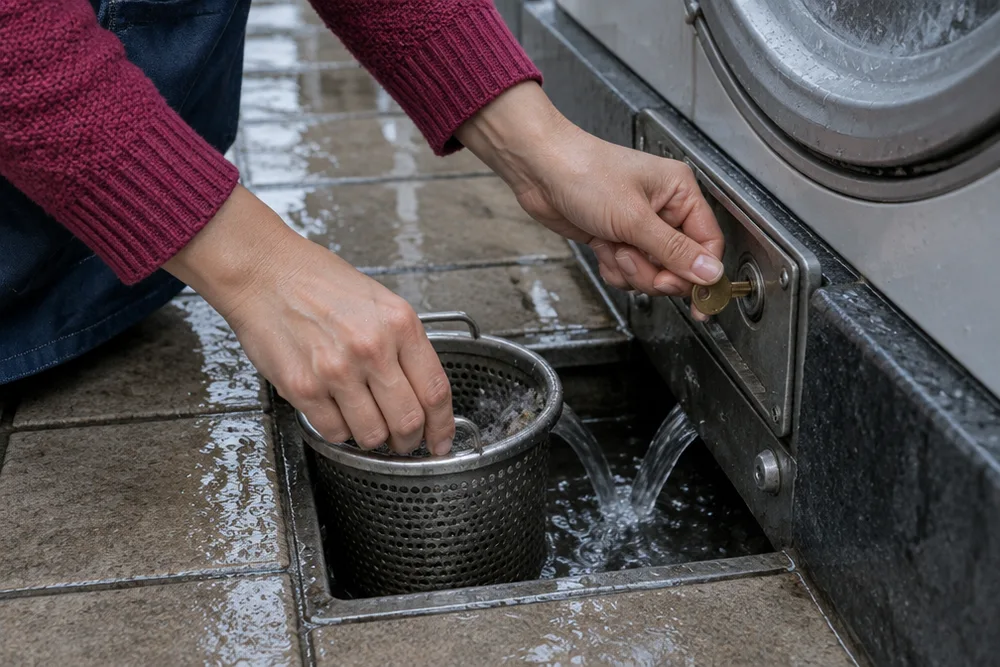
At closing, she checked the front drain. The water ran clear through the lint basket. She turned the key once, then a second time, and felt the lock settle.
On Sunday, Triana opened the cupboard where her father had kept the service books. The old ledger leaned against a stack of machine manuals, its cover softened at the corners. She had not looked for it since the first months after he died, when she took over the shop and paid off the equipment debt. She had been checking parts, dates, and what still worked. The ledger had seemed like a record of his business, not a record of what the business had cost other people.
She found the first entry for the cleaners tucked between invoices. The writing was her father’s, narrow and even: early loads, coins collected, fuel contribution. Beneath it, another line showed the crew had paid for part of the first shifts. Triana read the numbers again. She had heard the story as a gift from her father, a token drilled through so someone could mark the first wash. She had not understood that the cleaners had paid for the beginning.
The drilled token sat in the ledger’s pocket. Triana pressed it against her palm. Its hole was large enough for a cord, small enough to make it look like a keepsake. Her father had given it to the crew, but it had never meant they owed him anything.
On Monday, she crossed out the old priority list. The list gave first place to people whose names her father had known and whose shifts never changed. Iva’s name was not on it. Neither were the agency cleaners who came and went with contracts. Triana wrote a new note: BOOKINGS BY TIME, NO OLD LIST.
Salma read the notice when she arrived. “That’s fairer.”
“It’s late,” Triana said.
“It’s still useful.”
A little later, the front drain backed up. Water spread across the threshold, carrying lint and a faint gray slick from the basket. The cleaners moved their bags off the floor and helped Triana pull the tray free. She expected them to take the cleanup in hand, the way they had taken it on before.
Iva set down the mop. “We’ll move our things. We’re not taking on shop maintenance for free.”
“I didn’t ask you to.”
“You were looking at us like we’d already started.”