A Bowl for the Missing
Page 209 of 282
Chapters
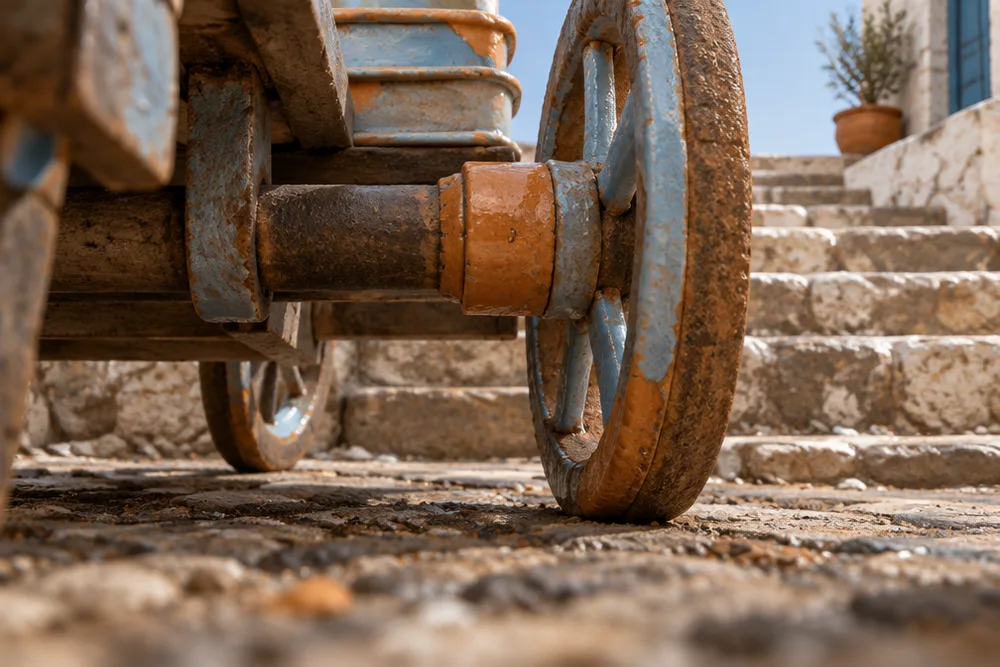
A cart runner brought up the rear handles. “We can take ten trays this way.”
“You can take six,” said Bess. “Ten is what you can pile. Six is what you can carry without crushing the tags.”
“They’re not crushed.”
“Not yet.” Bess rang the minute bell once, not loudly. It was enough. The runner set two trays aside.
Vera checked the tag on the top one. Red millet, second shelf, third year. She checked the next. Long bean, first shelf, fourth year. The waxed ink had gone a little cloudy in the damp air, but the names remained legible. “Keep these apart at Three Tables,” she said. “The millet goes to the breakfast-stove kitchen. The bean goes to the late-shift house.”
Bess nodded. “I know the rota.”
“I know you do.” Vera meant it as an apology, but the words came out like an inspection. Bess’s broad fingertips pressed the tray rim. She met Vera’s gaze without stepping back.
“You’ve spent years counting what the icehouse keeps,” Bess said. “Now you have to count what the kitchens can actually do.”
Vera looked at the workers’ faces: damp hair, red knuckles, the set jaws of people whose paid shift had begun before breakfast. “Then tell me when the count changes.”
“I will. If you listen.”
Vera wrote six trays on the tally and left the other two off. The correction felt small, almost foolish, against the scale of what they were surrendering. Still, she wanted the record to begin with what had truly moved, not what the plan had hoped to move.
They had just cleared the gallery turn when the first bead of water ran along a tray’s underside. It gathered at the lower corner, swelled, then dropped onto the cart board. Vera heard the tick of it before she saw the tag lift.
“Stop,” she said.
The cart stopped. A worker behind it bumped his shoulder into the handles, and the trays shivered. The damp tag on the second tray loosened from its string and slid sideways. A gust of warm air from the open terrace curled it beneath the next tray.
“Hold everything,” Vera called. “Don’t lift.”
The runner at the front had already turned toward her. “It’s only water.”
“It’s only the part that makes the ink run.” She crouched, careful not to brush the tray. A second tag had come loose too. It clung to the wood at the cart’s edge, blank side up, with the waxed writing pressed against the wet board. The rainless air of Heel Lane had seemed impossible when Niko described it; here in Blue Mouth, condensation made a weather of its own.