A Bowl for the Missing
Page 192 of 282
Chapters
“I don’t.” Niko leaned his shoulder against the wall. It was solid beneath him, cold only where the stone held the morning shade. “I asked for the lease because you can’t plan a town’s future with my name missing from its present.”
Ista was quiet a moment. “That’s fair.”
“Bess says that a lot.”
“She’s usually right.”
The receipt arrived with the next milk bottle. This time Pell put it in a waxed envelope, though the day remained dry. Niko pushed a folded note back through with the bottle: Received. Lease and correction acknowledged. He did not write forgiven. That was not a clerk’s entry, and not yet his to make.
Pell took the bottle. “You’ll be at the kiln yard when they open the exchange?”
“If the route gives me a way there.”
“Vera is working on the measured transfer. Your bowl has to be ready.”
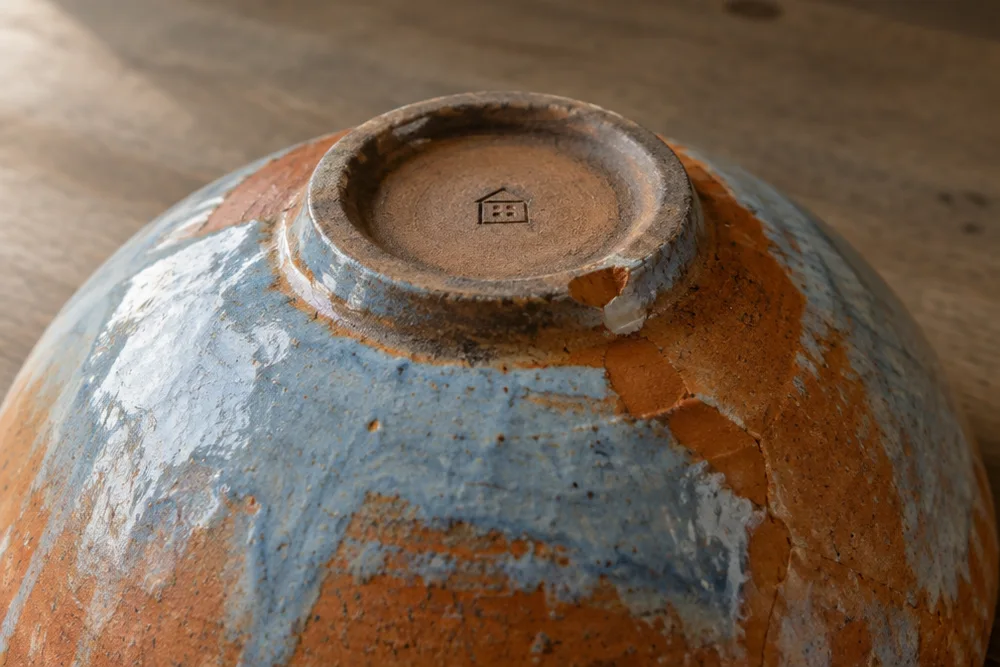
Niko glanced at the chipped bowl on the shelf. It was Vera’s loan, the one he had written his room number under before the frost. The mark had been made in pencil, not fired glaze, but he could still read it. “It’s ready.”
“Don’t lose it.”
“I’ve kept it through a wall.”
“That’s not the same as keeping it through a crowd.” Pell’s voice softened. “There’ll be people with opinions when the time comes. Some of them will be frightened. Keep hold of what you need to hold.”
Niko understood the warning. The exchange would be the town’s decision, not his alone. People would surrender food, work, and the only common cold room they had. If they agreed, it would not be because he had been found deserving. It would be because they had decided a tenant’s address mattered enough to cost them something.
“I’ll hold the bowl,” he said. “They can hold the rest.”
Pell’s cart moved along. Niko took the bowl down and turned it over. Under the foot, the room mark faced him. He held it the same way he had held it on the last night of summer, crescent chip angled toward his left thumb. The bowl was ordinary clay, shallow and slightly rough beneath the glaze. It had been lent for a custom, not for a rescue. Now it had become a piece of the hardware by which the town might decide what it counted as home.