A Bell Beneath the Silt
Page 81 of 245
Chapters
The words seemed to draw the morning colder. Silas looked back down the slope. The grave was only a dark cut in the earth from here, but he could picture the broken lid and the bones beneath it. Two bodies in one plot could mean a family burial, a later reinterment, or a grave wrongly placed by the shifted rows. It did not prove which name belonged to which set.
Ione rested the stick on the soil. “We cover it again. We mark where it was. We do not divide what we cannot identify.”
The younger woman’s eyes shone, but she did not object. “And if the water takes it?”
“Then we will know what we could not know,” Ione said. “That is not the same as forgetting.”
Silas understood the difference and disliked how little comfort it offered. His sister’s grave lay somewhere below them, though he could no longer have pointed to it with confidence. He had spent years believing that memory was a kind of ownership: the place remained yours if you could still find it. The basin had stripped that belief away without asking his permission.
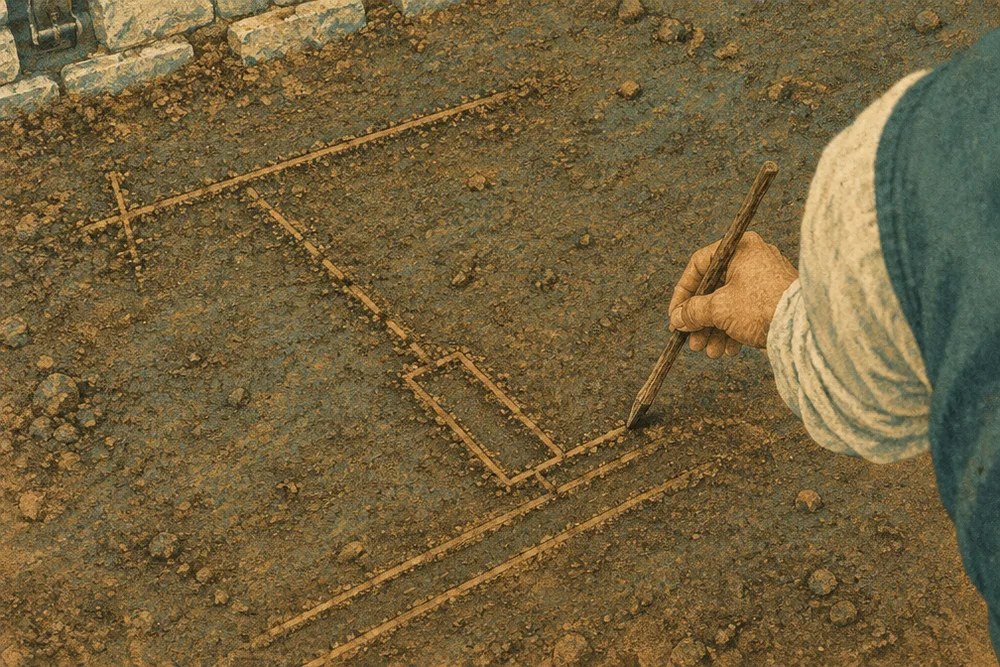
He took the stick and marked the open grave’s position twice: once from the wall and once from the old road he had drawn. They would not pretend the measurements were exact. The marks recorded what they knew, and where knowledge ended.
By midday, the argument had spread from the grave to the whole cemetery. Families gathered near the gate in small knots, each carrying a different account of where a parent, child, or spouse had been laid. Some wanted to keep digging while the ground was exposed. Others would not let a shovel touch a plot unless someone could name it. The reservoir’s low-water window did not make their choices simpler; it only made every pause feel like a door closing.
Ione listened to them all. She stood where the old road met the cemetery boundary, shoulders square, hands folded over the top of her stick. When two cousins began speaking over one another, she asked each to tell the story from the beginning, without correcting the other. Their versions differed in the name of a path and the placement of a stone, but both remembered a row of plain markers along the western edge.
Silas walked that edge while they spoke. He found three marker bases, all tipped toward the water. One still held a short piece of bronze, green-black with age. He knelt, but did not touch it. The mark on the metal had worn smooth. It might once have carried a name; now it gave none.