A Bell Beneath the Silt
Page 71 of 245
Chapters
“This is Silas,” Ione said. “He knows the village.”
The boy’s mother gave him a wary nod. “You’ll know where my father lies, then?”
Silas did not answer too quickly. He remembered the village in pieces: a lane slanting toward the mill, the school’s one high window, a row of pear trees beside the cemetery wall. Water had warped those memories and pressed them together. He had left as a young man and returned only twice before the dam filled. For the first few drawdowns, he had refused to come down at all.
“I can help,” he said. “But I’ll need the names and whatever you remember. We should confirm each place before anyone opens it.”
Ione looked at him, not quite approving. “That is why I asked you.”
The woman opened a small paper packet and showed him a brass tag, green with age. Her father’s name was stamped into it, though the last letters had worn nearly smooth. Silas ran a thumb over the edge without touching the inscription. He remembered the man as a broad figure with a carpenter’s hands, leaning on a gate while children ran past. He could not remember which plot the gate belonged to.
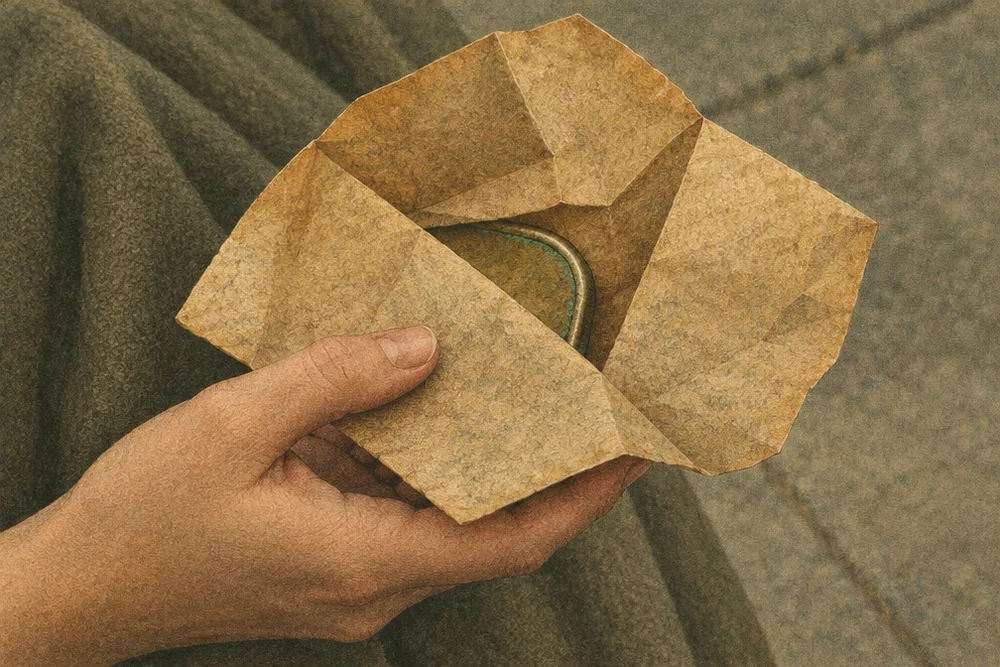
“We’ll take it slowly,” he said.
The boy had followed his glance toward the basin. “Will the bell come out?”
Silas saw the black hook of the tower above the low water. “I don’t know.”
He kept his voice even. It was easier than explaining that the bell had sounded over the village when he was a child, and that the sound had once seemed to him as permanent as the hills.
More families arrived as the sun climbed. Some carried flowers in jars; others had brought labels, scraps of old maps, or names written in careful ink. Ione moved among them with the patience of a person setting a table for guests. She took each account seriously, even when it contradicted the last one. Silas stayed near the gate and listened.
A gray-haired man placed two bunches of small yellow flowers on a grave that had no marker. He told Silas his aunt used to say the plot was three paces from the boundary wall. His cousin insisted it was six. A woman from the next family said the wall had been rebuilt after a flood and could not be used as a measure. They spoke without anger, but each held tight to the detail that had come down to them.