Folklore & Fairy Tales
Explore stories told in the spirit of fables, myths, and legends, for younger readers and grown-ups alike.

Top 10 Books
Most read in this category.
-
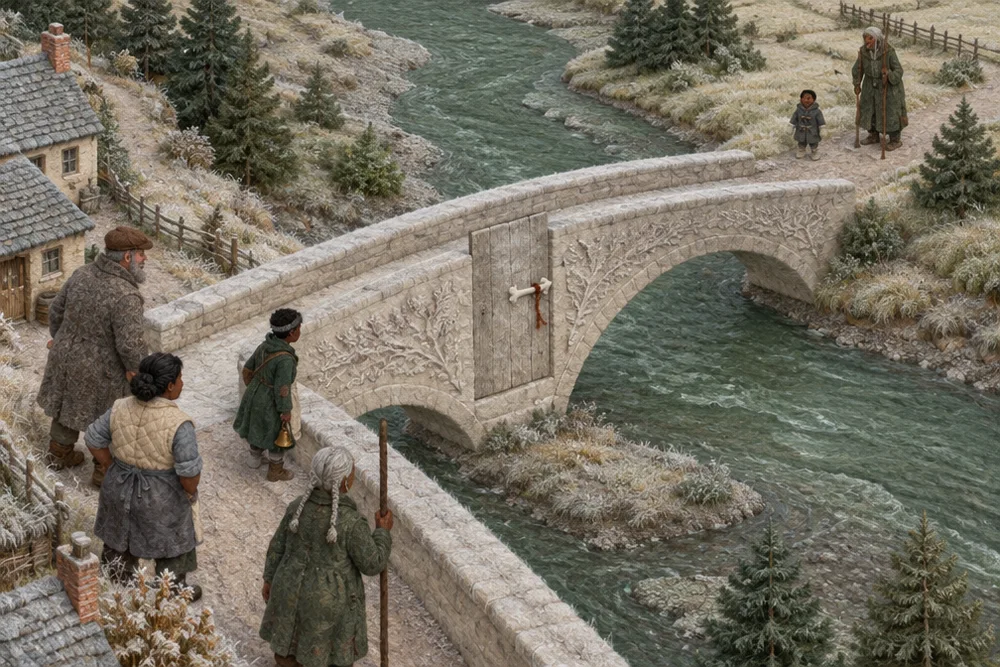
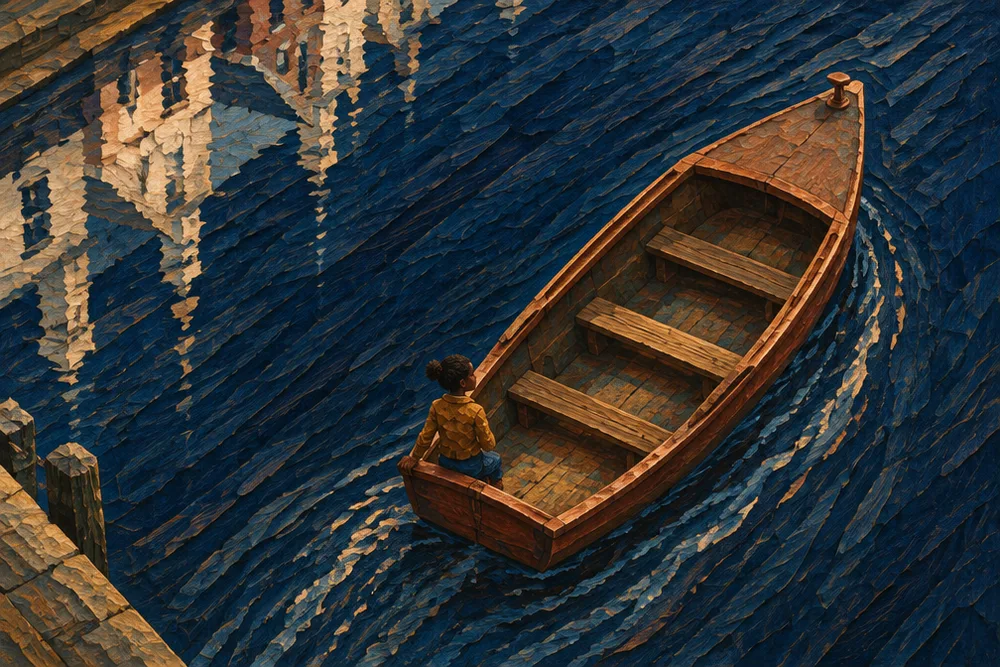
The Bridge That Remembered Otherwise
At first frost, a door grows where the bridge’s middle arch should be. Ismay Alderwick, the village’s apprentice bellmaker, needs to cross before noon to ring the bell she cast for the winter fair.
-
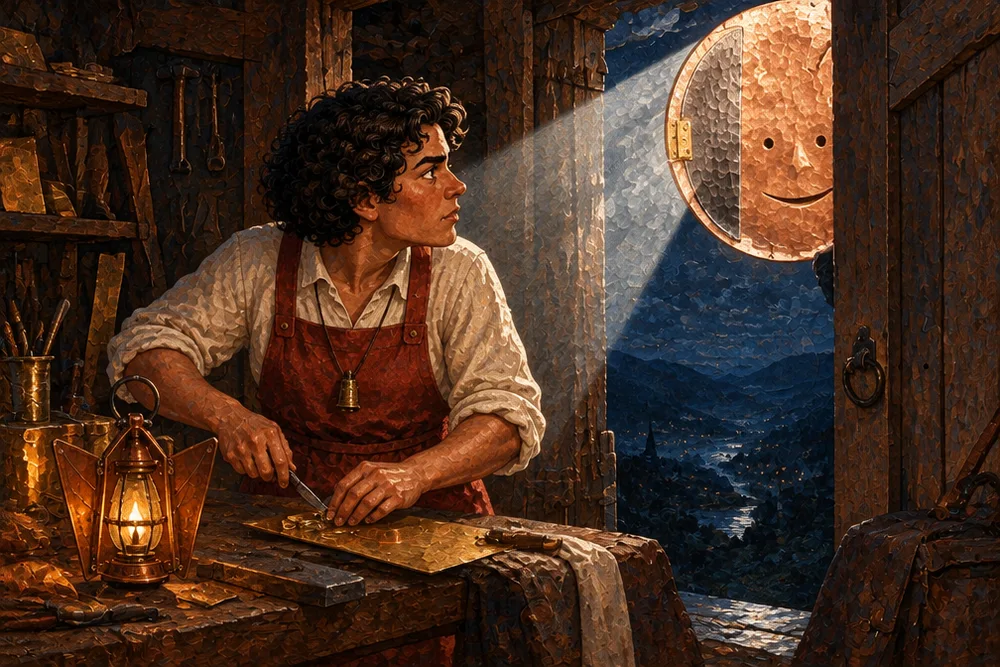
A Hinge for the Moon
The moon knocks on Nella Rookwell’s workshop door just as she’s packing her tools for the spring fair. A hinge on the moon’s shutter has snapped, so Nella cuts a replacement from a scrap of brass.
-
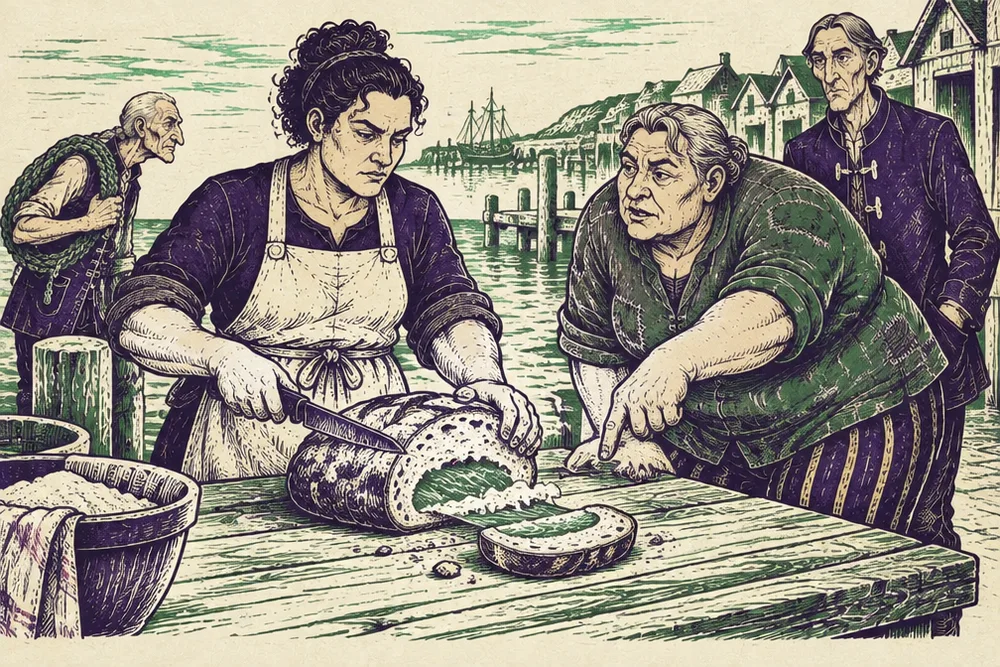
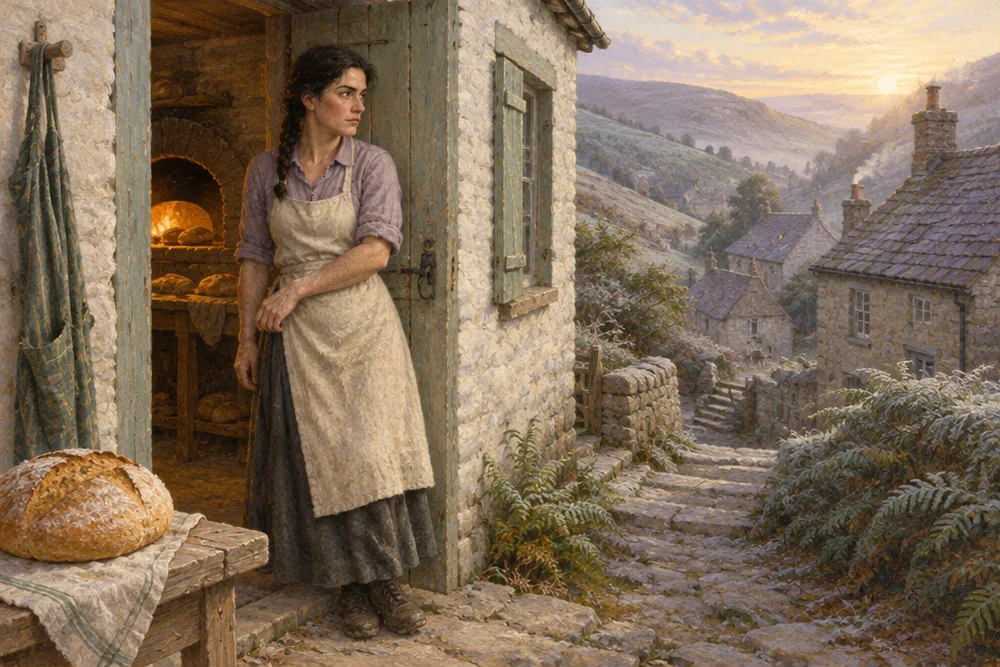
The Loaf That Carried the Tide
Baker Sola Dernettle cuts open a loaf and finds the morning tide rolling into the first slice. A different dockworker recognizes their missing tide mark in every piece she cuts.
-
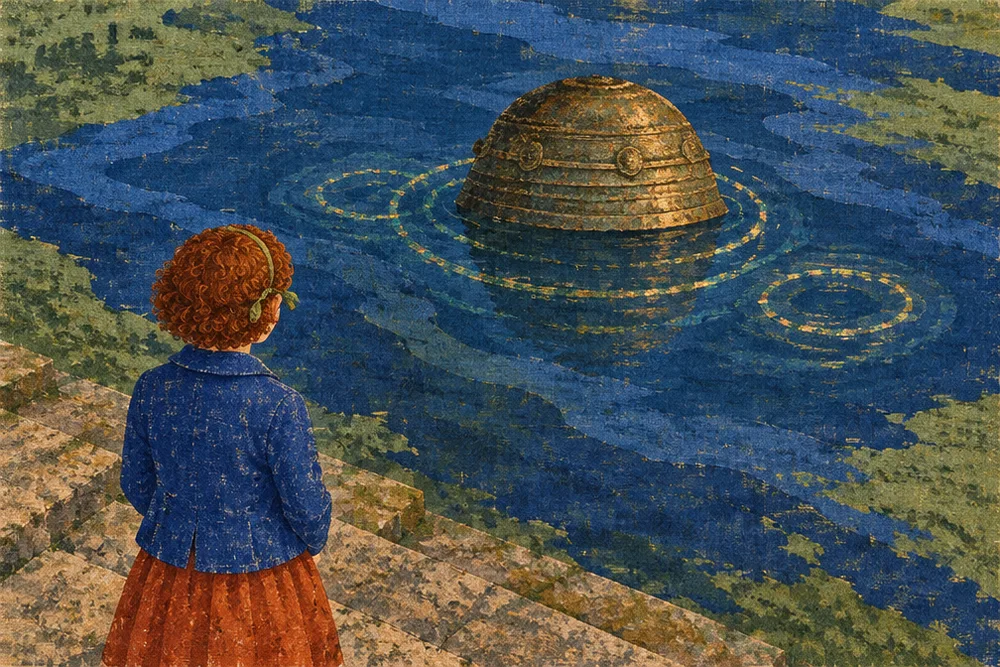
Six Skinny Legs and a Frost Tune Backward
By the time the village is ready to vote, its bell has grown six skinny legs and climbed down from the tower. Nella Tarn, the bell keeper’s apprentice, has spent all summer practicing the first frost ring.
-
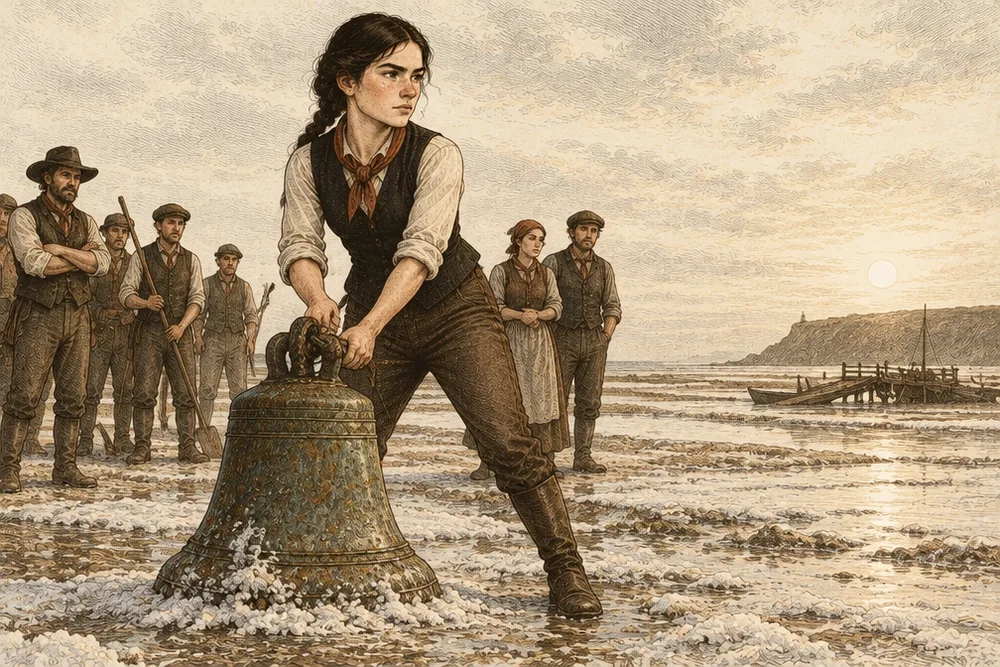
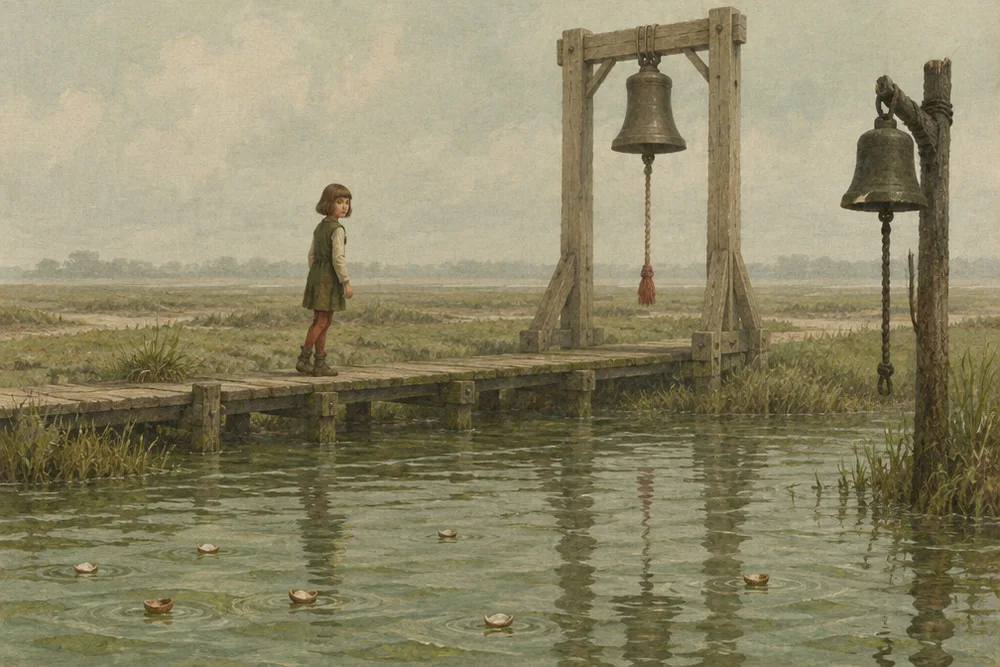
The Bell That Rang Salt into the Ferry Channel
On the morning Tessa Jory is to reopen her mother’s ferry, the retreating water leaves a bell standing upright on the salt flats. Everyone remembers voting to sink it thirty years ago, but no one agrees why.
-
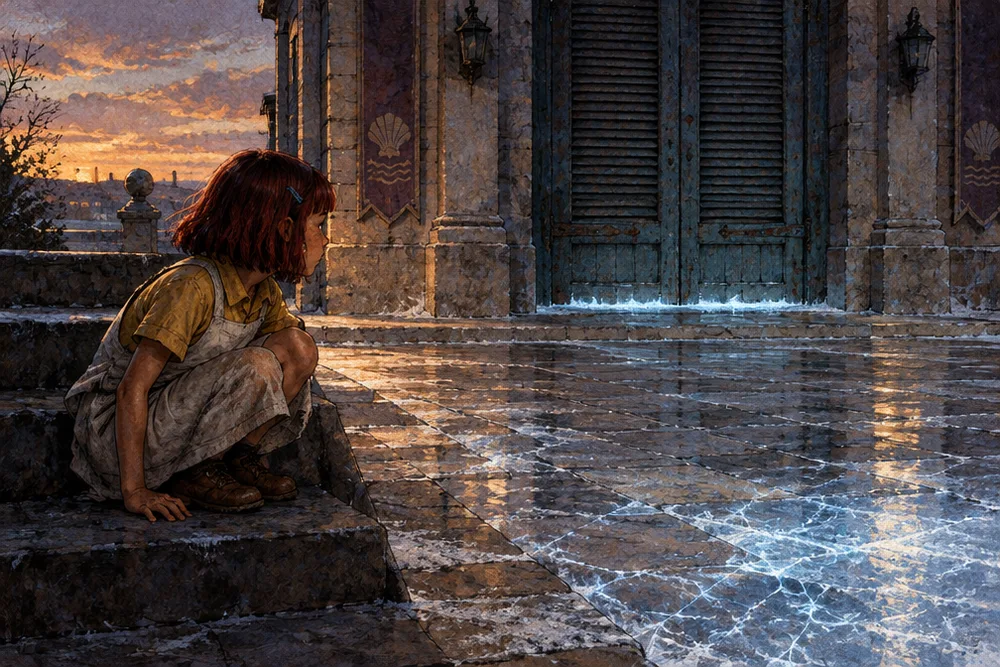
The Cup That Held Winter
On the hottest night of the year, frost feathers the rim of a cup in the village’s shuttered bathhouse. Orla Ashcombe hopes its cold can cool the public oven, where her family’s bread keeps burning before it rises.
-
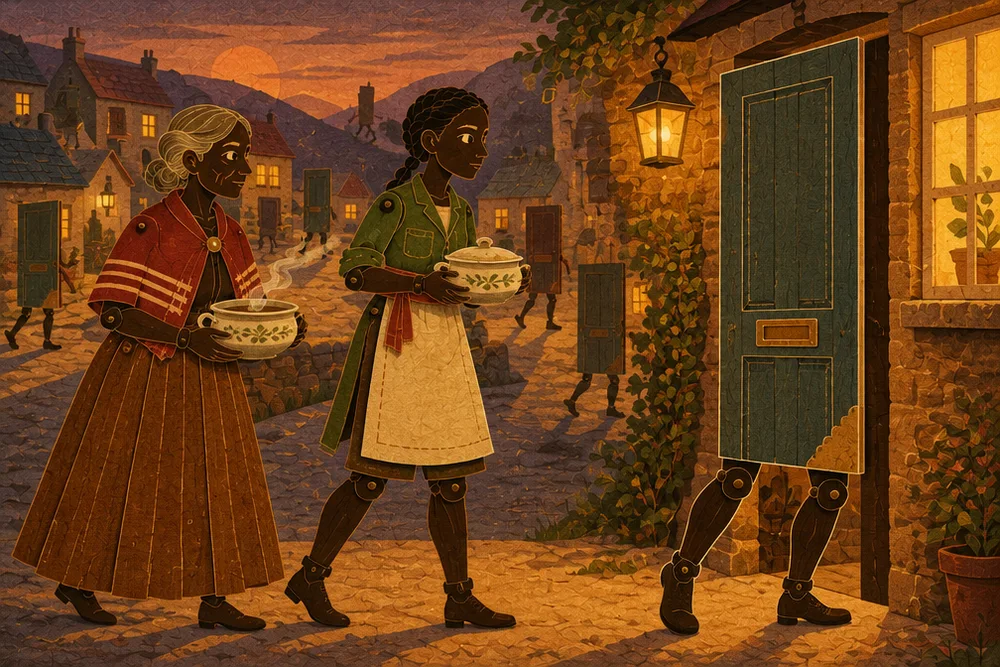
The Night the Doors Walked
At dusk in the hillside village, every door sprouts legs. Maren Heddle, the village latchkeeper, spends her evenings fastening doors in place.
-
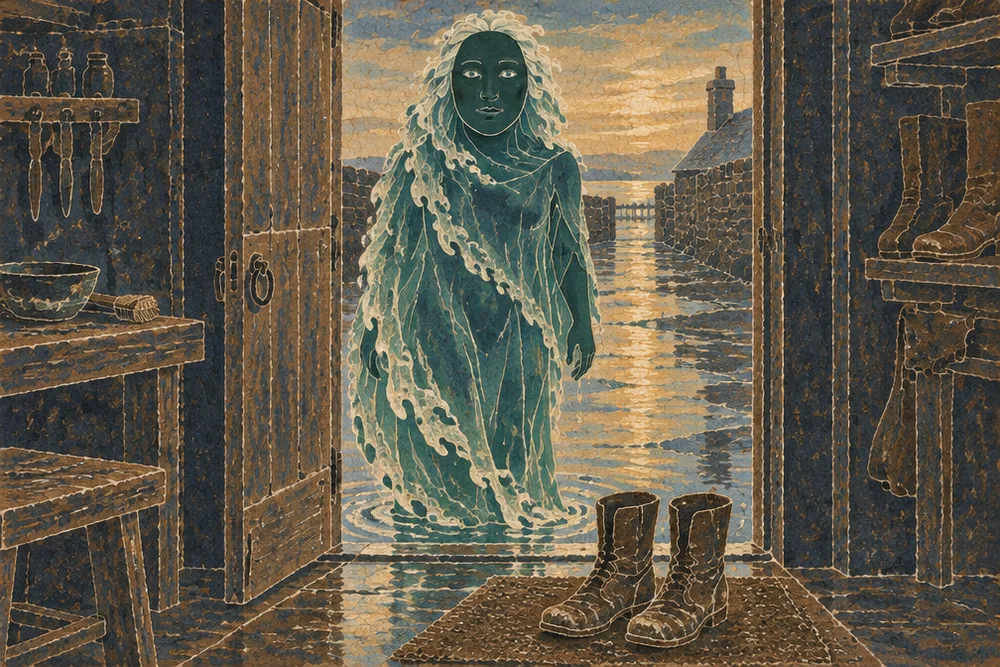
Homecoming Wool for Salt-Stiff Boots
At four on Thursday, the ferryman’s fitting chair stands empty. Then the tide rolls in and sets two salt-stiff boots on Quinn Ashcombe’s mat.
-
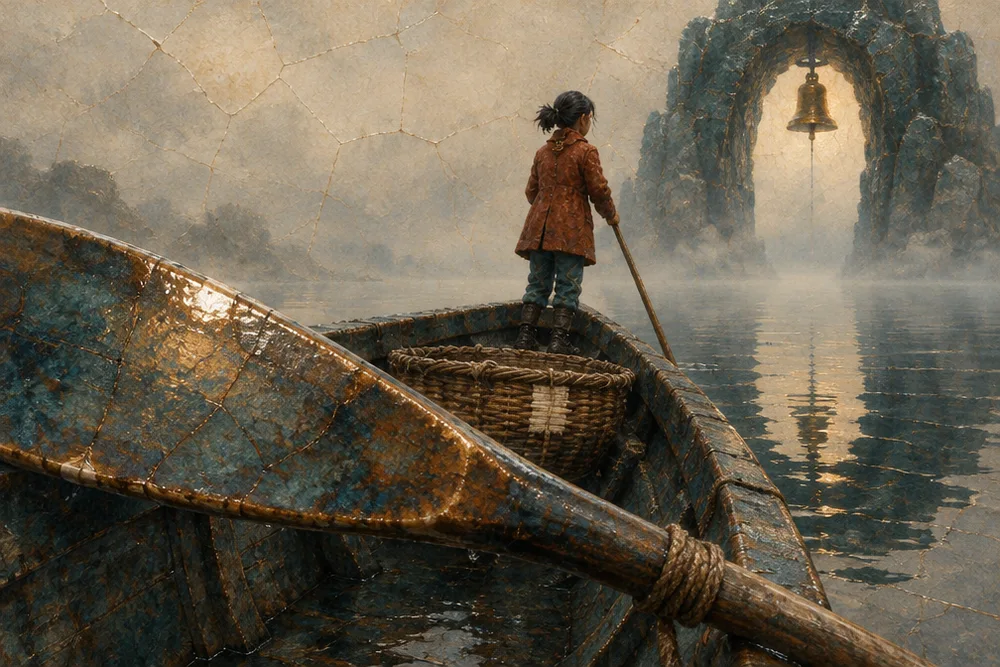
An Oar for the Fog’s Far Shore
For seven years, Nessa Lark has rung the harbor bell at dusk and listened for her mother’s boat. Not once has she heard an answer.
-
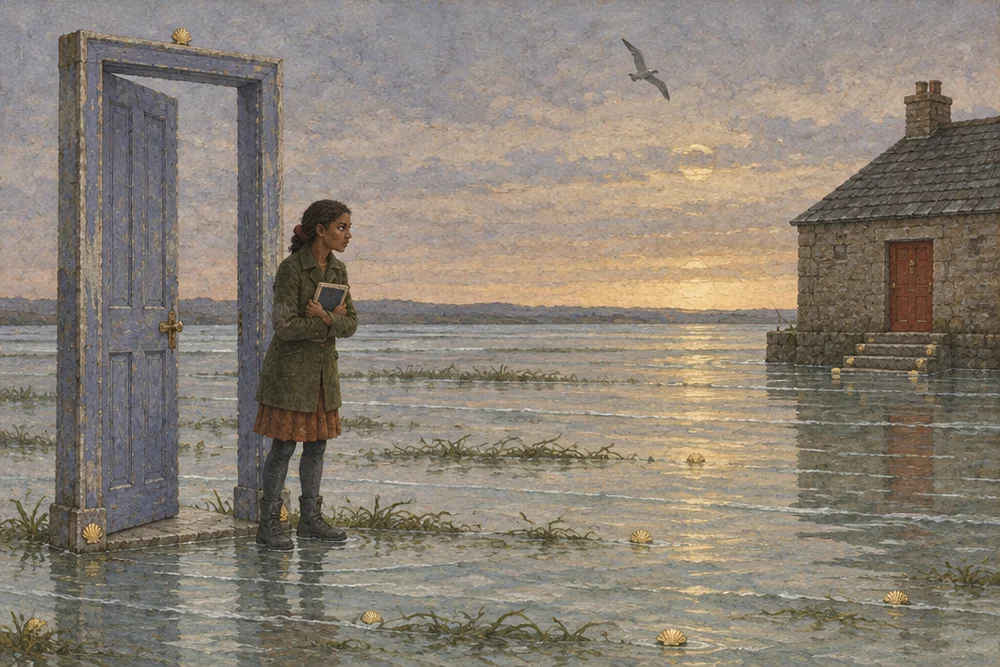
A Slate for the Missing Stairs
Once a winter, a dry door stands on the flooded salt flats. This year it opens for Mara Ternick, who has spent seven winters trying to read the tide tables her mother left behind.
All published books A–Z
Titles are sorted without an opening A, An, or The.
B
C
F
H
L
N
O
R
S
W
Top 20 Wishlist in Folklore & Fairy Tales
Start with our picks for this shelf. Your votes move stories up the list.
-
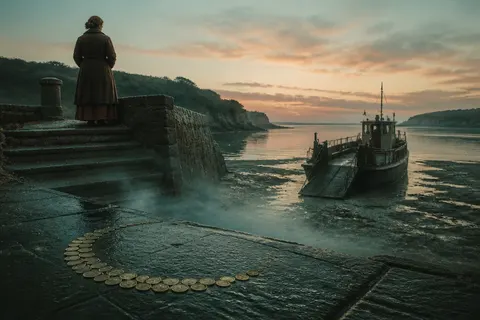 Six Pence for the Fog
The landing steps need mending, and Rilla Wrenlow, Ternwick’s new ferrykeeper, knows where to find six pence. It’s what the village spends on fog every Friday.
-
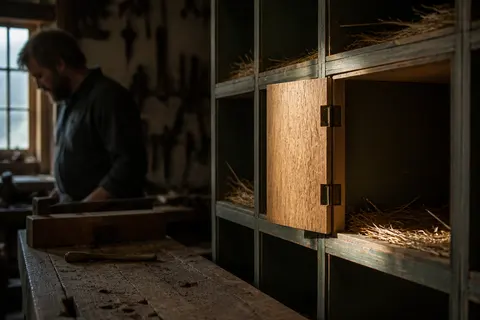 A Roost for Borrowed Voices
Every spring, the nesting boxes in the village post tower ask for straw, though the last pigeon left thirty years ago. Ida Hatherwick, the village carpenter, brings them a bundle out of habit.
-
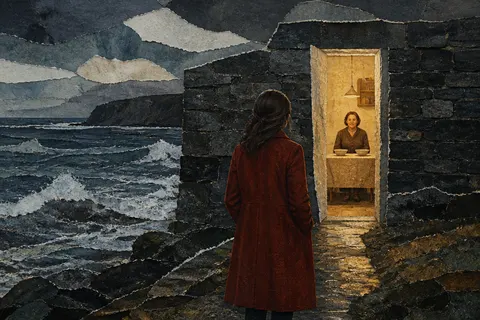 A Boot Heel and Two Bowls of Soup
At low tide in Saltwick, a door chalked on the seawall is an invitation to the drowned: come home for supper. Mara Ternell wants just one more meal with her mother, but she copies the lintel mark backward.
-
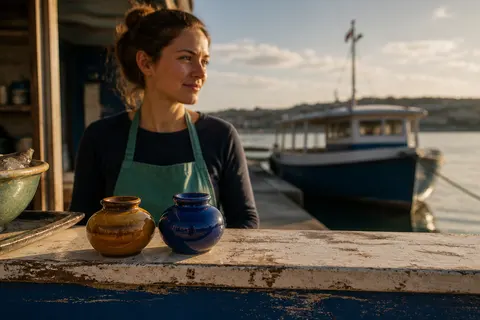 A Clay Jar for a Ferry Song
By the time Jessa Sedgewick ties up the last ferry, her daughter is always asleep. All Jessa wants is one evening a week to teach her the songs her own mother taught her.
-
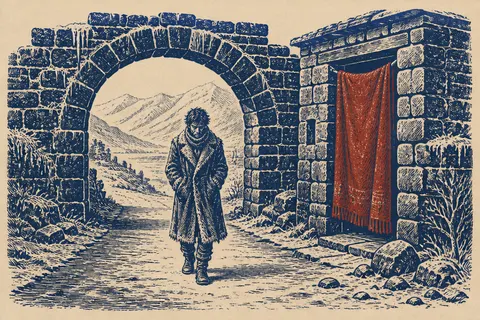 The Gate That Kept Winter
The last warm morning of the year smells of plums as Fenna Mowbray carries a crock of plum butter to the village gate. At the fair, she’ll trade it for a red wool blanket, the first thing she’s ever bought with her own work.
-
 A Laugh Beneath the Shoals
With her father’s boat still beyond the shoals, Sylvie Alder searches the salt marsh for something loud enough to call him home through the fog. What she finds is a bronze bell left by the morning tide.
-
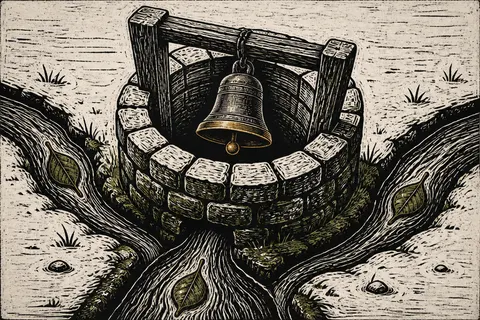 Pear Leaves for a Drowned Bell
At the first frost, Rowena Mardell goes to the dry well to wish for just enough water to save her late mother’s pear trees. From the bottom of the well, the drowned bell rings.
-
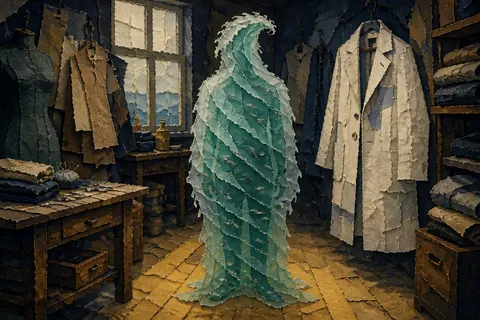 Minnows on the Rug, Salt in the Hems
The first minnows fall onto Xanthe Barrow’s rug at four on Thursday, when she ought to be fitting church coats. Instead, the tide stands in her shop, upright as a woman, asking for the coat it left last winter.
-
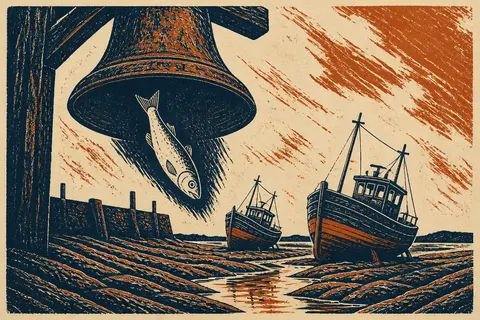 A Herring at Dawn, a Pie After Dark
The first thing out of the village bell at dawn is a herring. It lands at Jess Elwick’s feet.
-
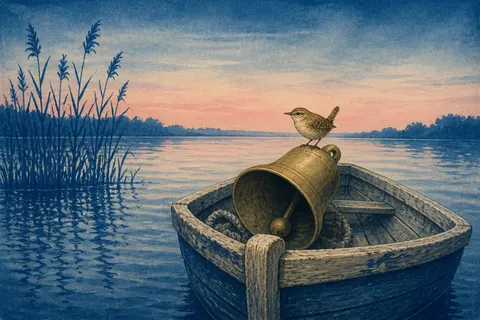 The Ferry for Unfinished Songs
The village clock always rings just as Nessa Elwick reaches the last line of the song her late mother taught her. Nessa winds the clock every morning, but she can no longer remember that one line.
-
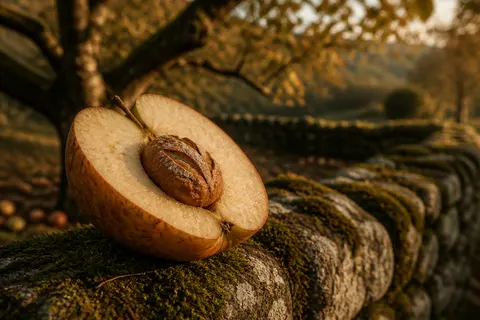 A Loaf Inside the Last Apple
Mara Quillan snatches the orchard’s last apple by the stem as it falls upward. A buried bell rings beneath her boots.
-
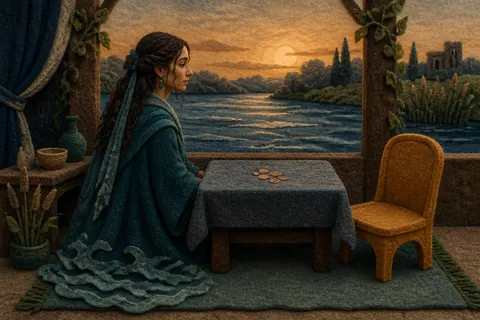 The Toll for an Empty Chair
On her first market day in Reedwick, Tamsin Vennick earns six pennies mending baskets. Before she can tuck them away for a stall of her own, the rent collector takes one for a charge marked ‘chair rent.’
-
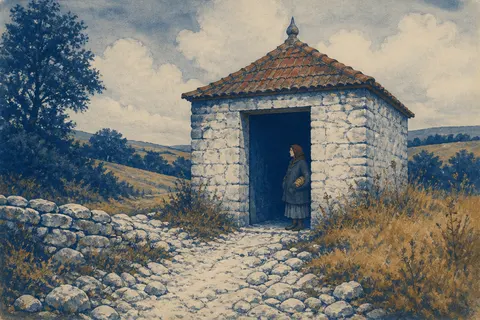 The Tollhouse for Going Nowhere
At dawn, the tollhouse opens as usual, though the river vanished in the night. Dinah Mallow means to turn the empty building into a bakery before winter, but the council won’t hand over the deed until someone crosses the old ford and pays one last toll.
-
 A Bell for Both Banks
Sorin Rell leaves his supper untouched, so Sella Nairn knows the village’s best bell tuner isn’t merely sulking. He walked off the job that morning, on the very day the village is meant to ring winter out of the valley.
-
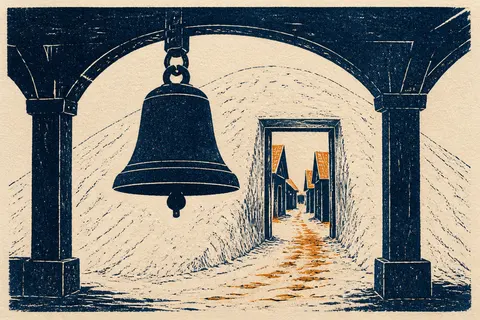 A Bell to Bring the Salt Street Home
The salt market’s noon bell usually sends its note over the rooftops. This time it rings sideways, and a door opens in a heap of salt.
-
 The Bell That Rang Three Ways
Kessa Garth is halfway down the old causeway with her father’s dry boots when the tide bell rings underwater. She wants the village to reopen the crossing before winter so her father can walk to his bakehouse instead of paying for the ferry.
-
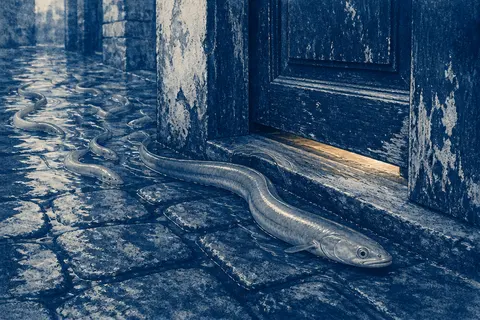 A Dry Road for Eels
By dawn, the eels are knocking at the bakery door. They want their road back.
-
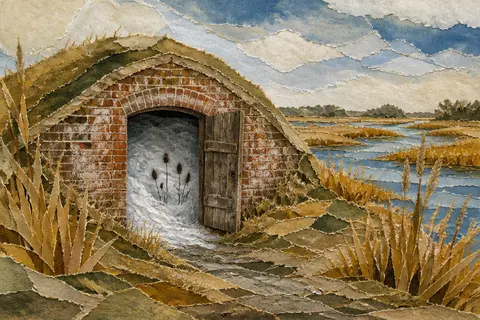 The House That Held Winter
Xanthe Dace is measuring the village icehouse for a bakery when the old building asks for a blanket. It’s the hottest morning of the year.
-
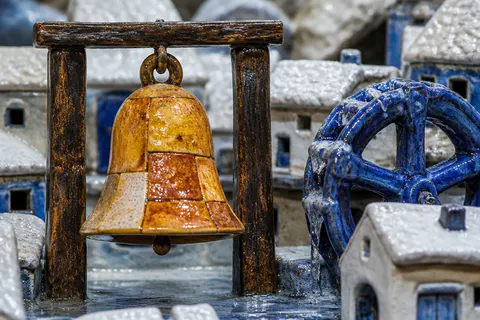 The Thaw Bell That Told on the Workbench
The morning the village is meant to ring winter out of the valley, Ysolde Lark takes off her apron. She’s shaped the thaw bell for forty years, and she’s tired of being called a helper at a feast that honors only the ringer.
-
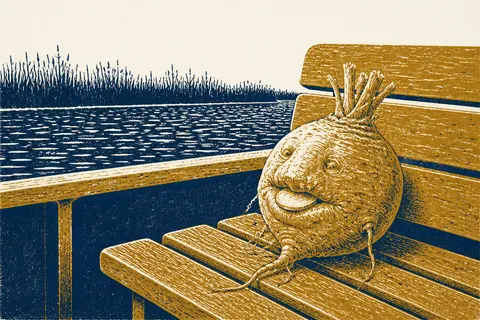 The Ferry for Unsaid Things
The marsh bell charges Agnes Dovewick one word every evening she rings it. Last night it took the nickname her daughter used to call her.
More story ideas
Open a story to read the full synopsis and vote for what we develop next.
-
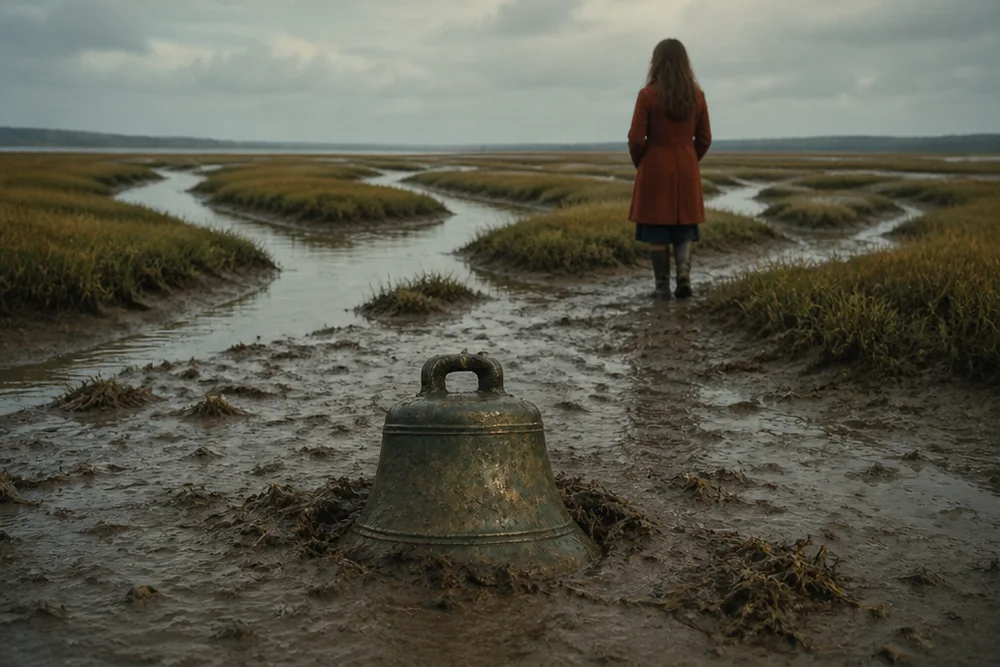
Three Channels, One Ferry Song
The first clang came from beneath the mud at low tide. Nella Reedley had spent all summer braiding a new rope for the marsh bell, hoping the village would finally let her ring the ferry home.
-
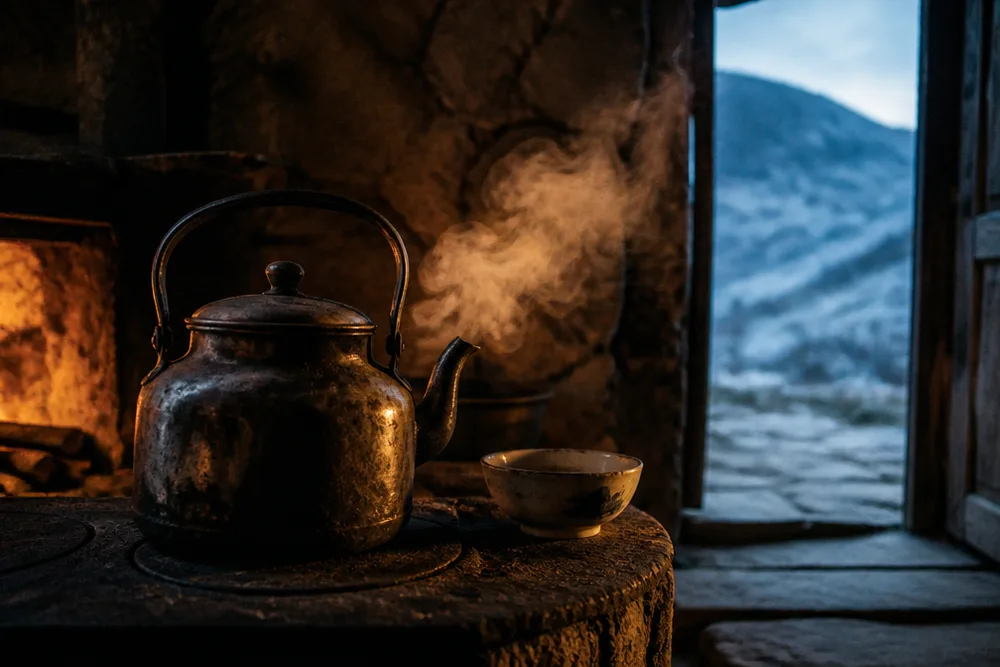
The Kettle That Claimed the Hill
At the first frost, Maren Jowett puts her dented kettle on the stove to try a broth for the winter market. The water hasn’t even boiled when the kettle calls her a thief.
-
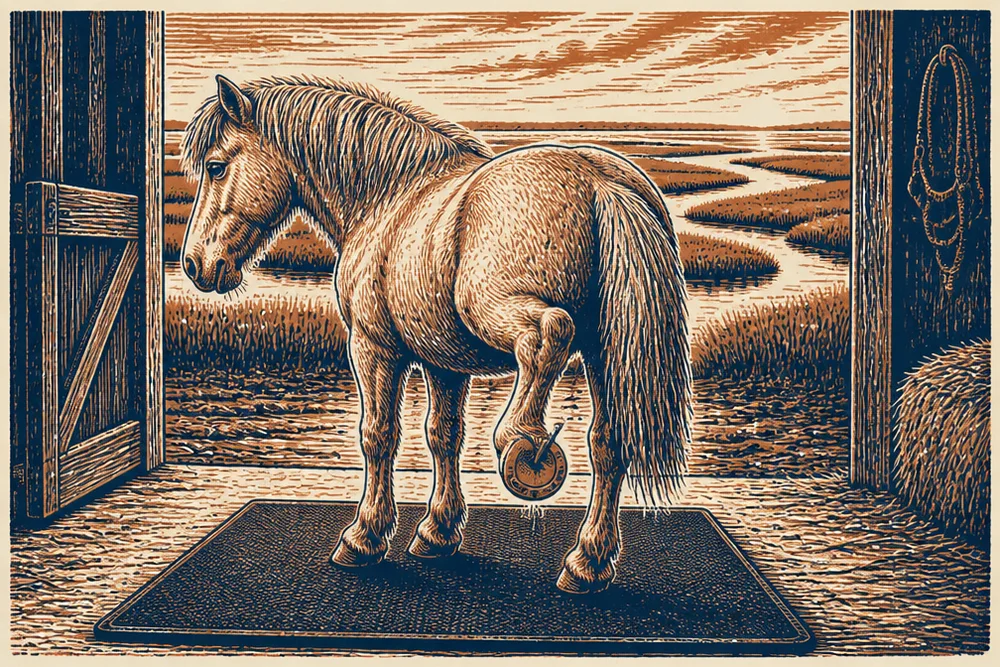
The Harbor Nail in the Pony’s Heel
At four on Thursday, the dun salt-marsh pony interrupts its usual hoof trim. “I’m Vetch Marshfoot,” it tells Quinn Kersey.
-
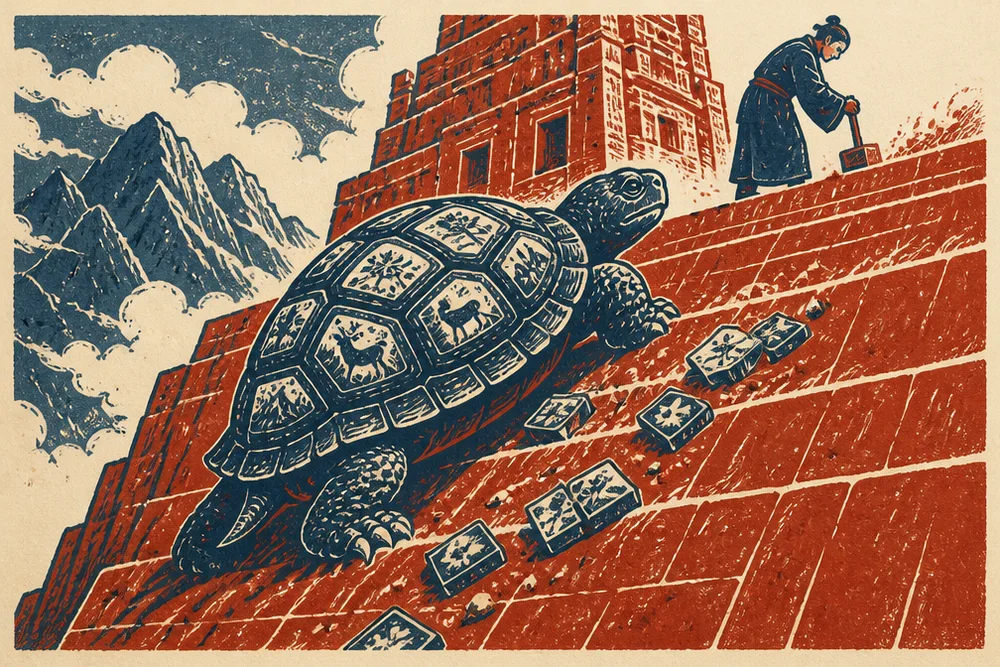
The Story with Two Footprints
In the red-clay temple on the ridge, winter cannot begin until a huge, slow tortoise carries its story to the far side of the climbing wall. Tansy Flintback wants to be the first in her family to make the crossing before the lamps are lit.
-
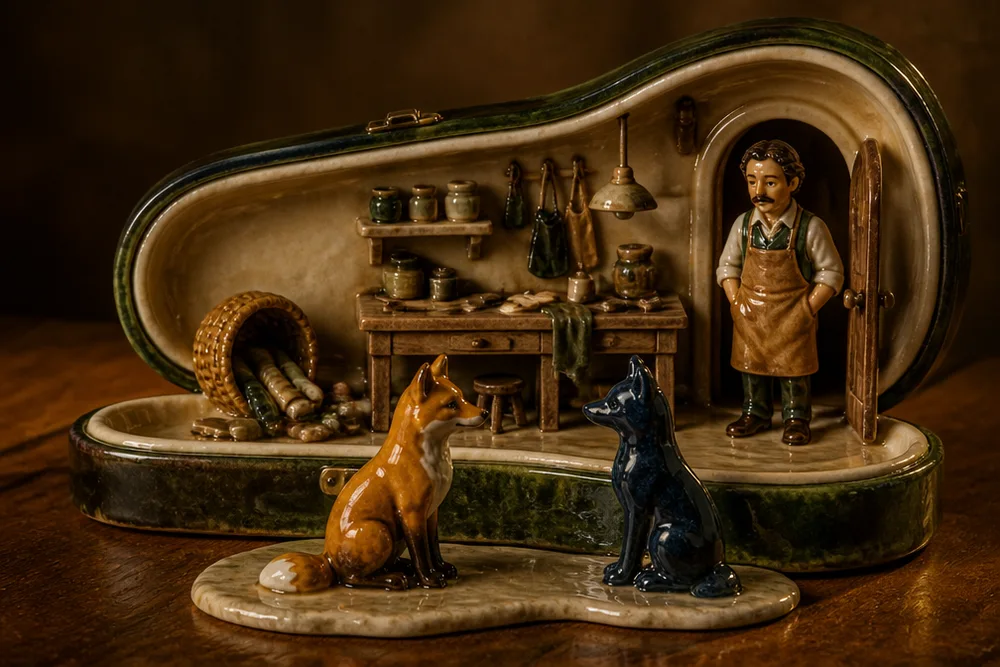
A Shadow for Speaking Weather
At noon, a fox ducked into an abandoned violin case and asked what a voice would cost. Tansy Hemwick, the tiny tailor who lived inside, stitched shadows back onto their owners.
-
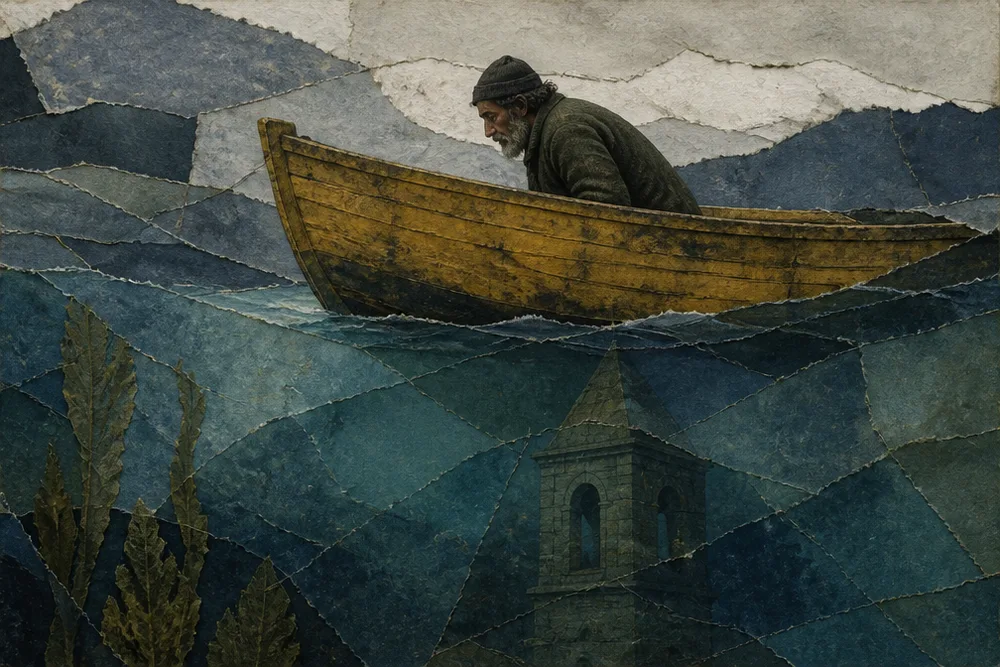
Salt Ribbons for a Ferry Without a Reflection
The ferry returns without a reflection on the morning Della Fenwick is meant to inherit it. Then the missing reflection knocks on the hull and asks her to listen.
-
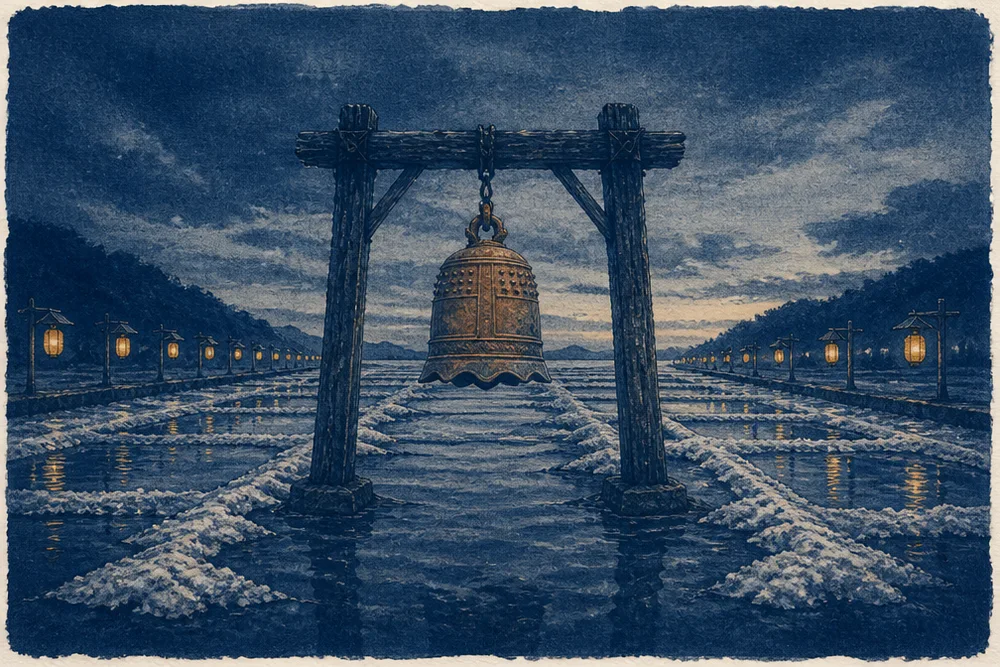
A Lullaby Costs One Crossing
The dead shop at low tide. They come to the salt market for things they forgot to carry away, and Mara Sedgewick has saved enough to buy back her late mother’s singing voice and hear the last verse of a lullaby.
-

A Bell Full of Rain
The brass bell rings in the salt pan, where no bell has any business ringing. Mara Sclater takes it to market, hoping to sell it for enough seed to plant her own patch of barley.
-
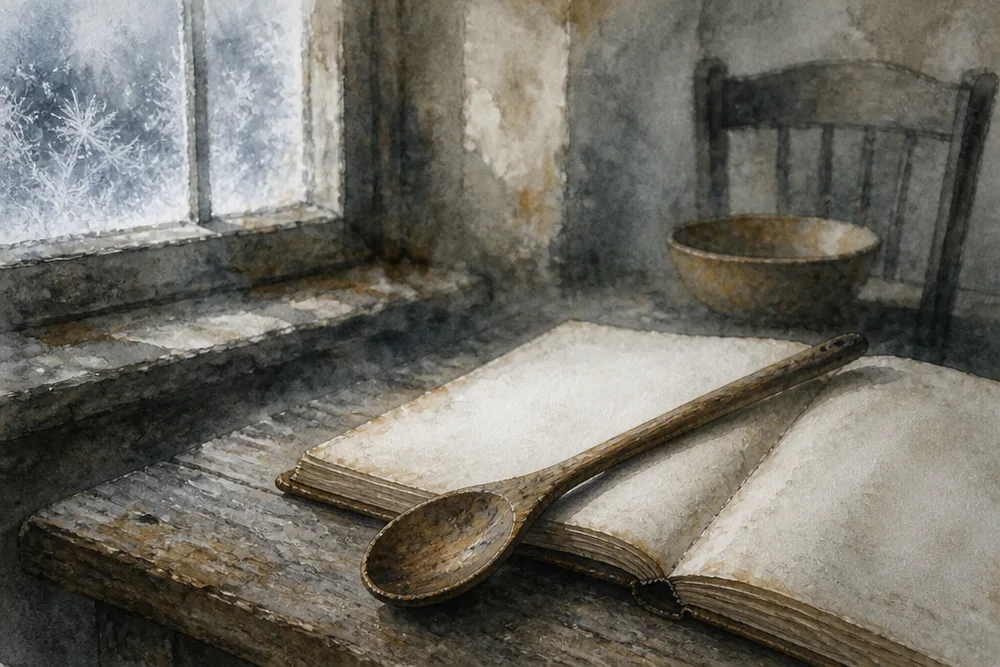
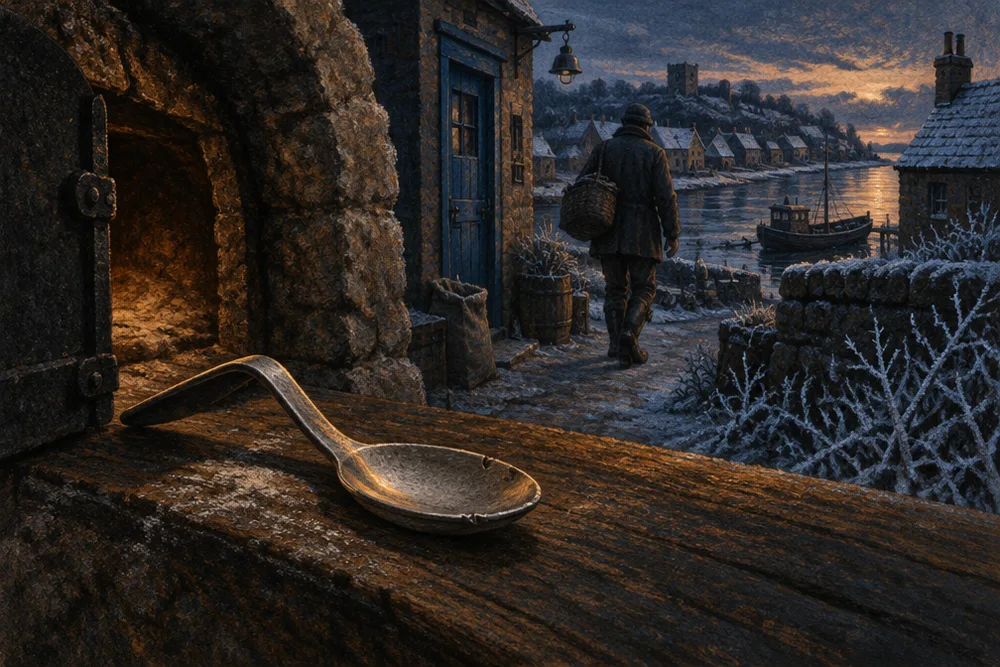
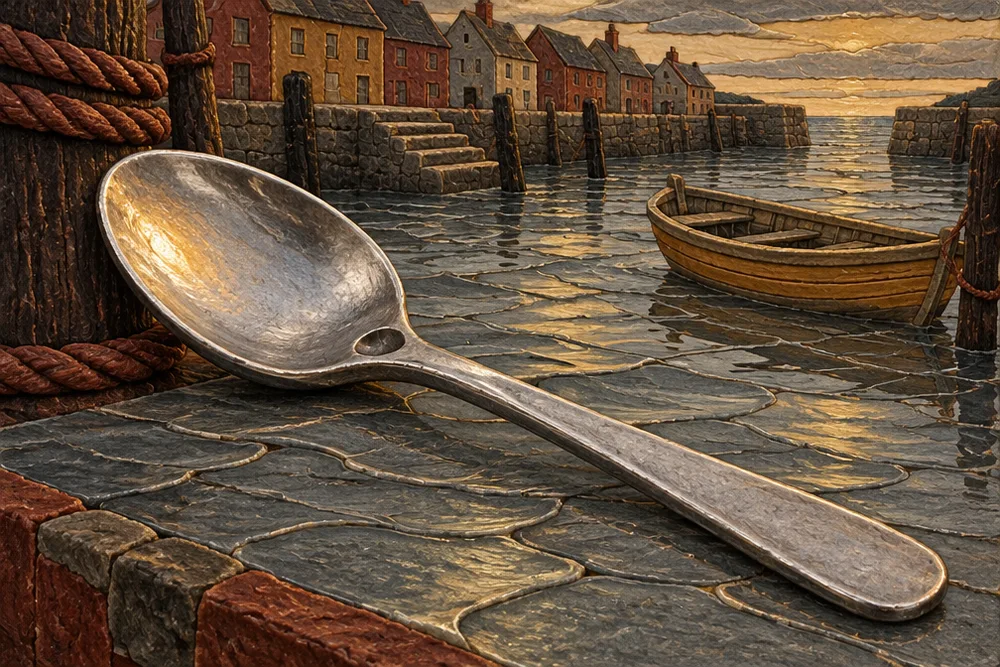
The Spoon That Counted Guests
The first frost is the hill village’s signal to lay an extra place for whoever has nowhere to eat. Orla Mallow wants to host the supper this year, but the elders won’t lend her the village hall unless she hands over the wooden spoon her mother used to stir the communal pot.
-
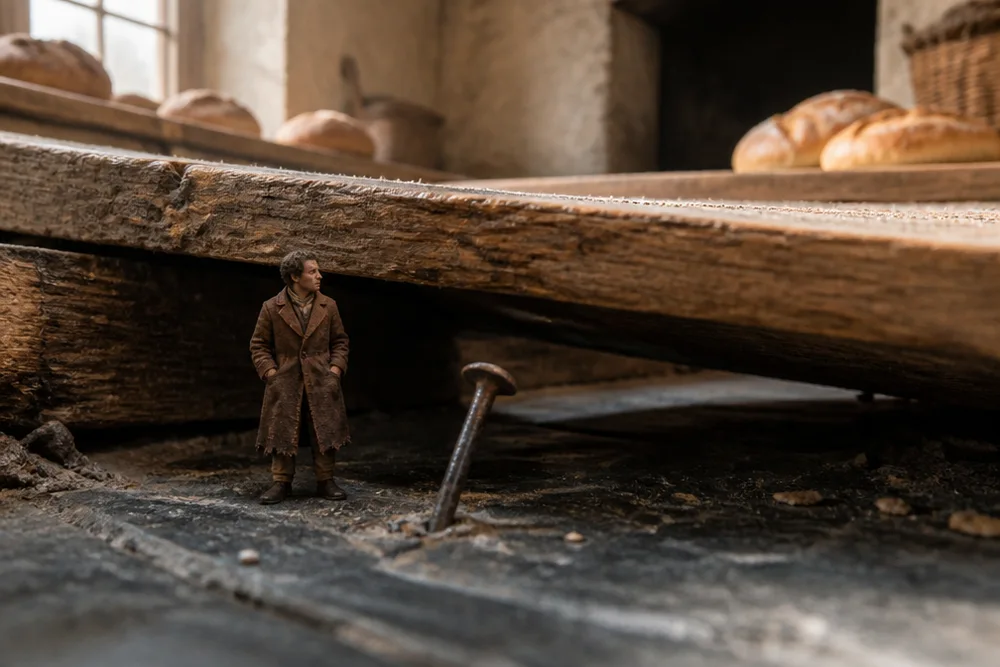
A Nail Snags a Coat, a Floor Stops a Flood
Just as Linnet Threlkeld fits a shelf to keep the flour sacks dry in her shuttered bakery, a floorboard asks her to lift it. Beneath it, a thumb-sized household spirit has caught its coat on a nail.
-
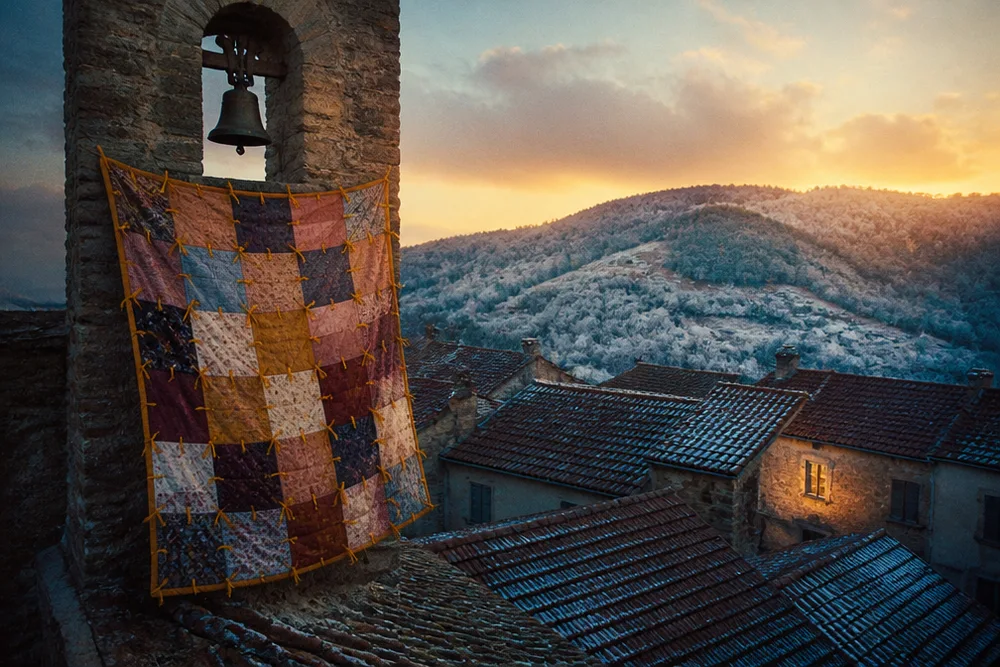
A Quilt for the Dawn
Every household in Brindlewick owes the bell tower one square of cloth on the last night of winter. Sewn together and hung from the belfry, the squares catch the first light of spring and spill it down the streets.
-
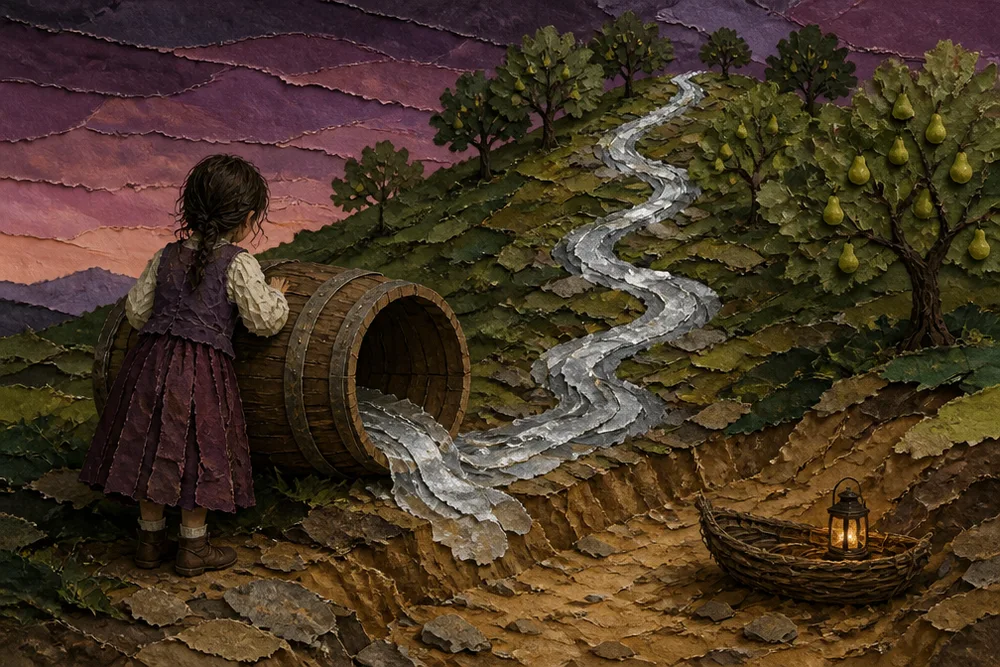
A River in a Rain Barrel
The river ought to be running past the village on the morning of the lantern fair. Instead, Zella Whitcombe finds it curled up in a rain barrel.
-
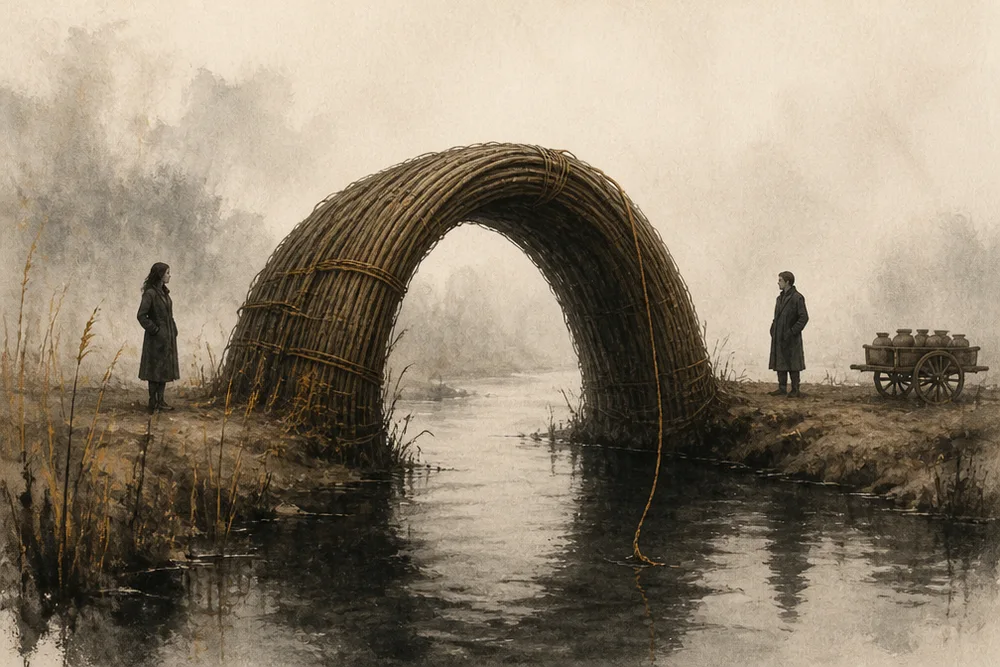
Reeds Unroll for the Potters
Just as the first market cart reached the marsh, the bridge folded itself into a reed mat. Elsa Rookwood had promised to get the potters across by noon, when buyers from the hill villages would arrive.
-
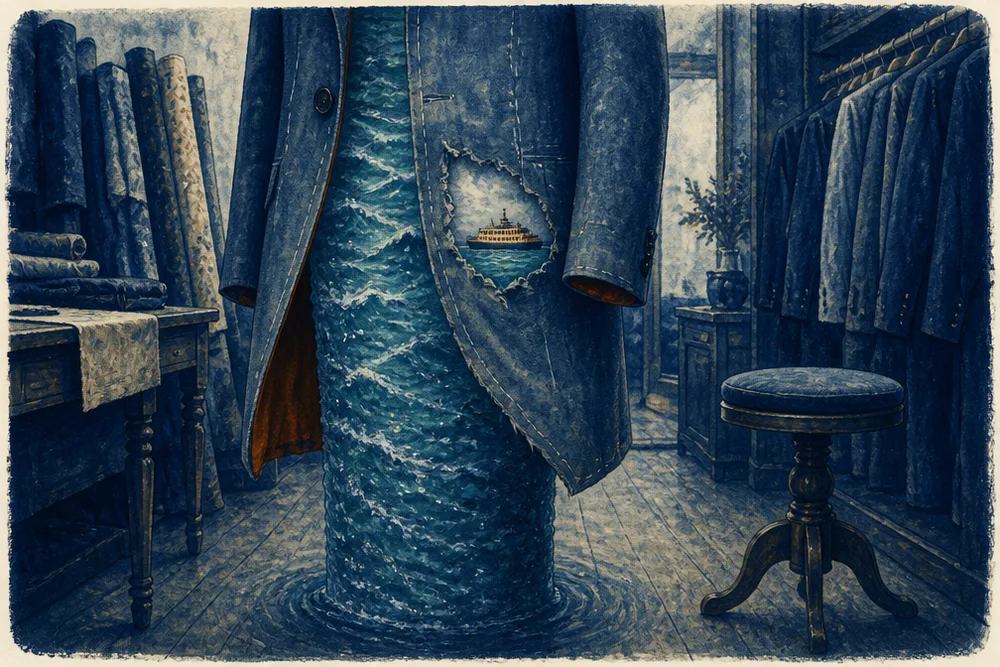
The Pocket Ferry and the Horse Trough
Willa Trelawney has penciled in a coat fitting for “the tide,” which sounds to her like a fisherman’s nickname. One more sale will let her buy her aunt’s sewing machine before it goes to auction.
-
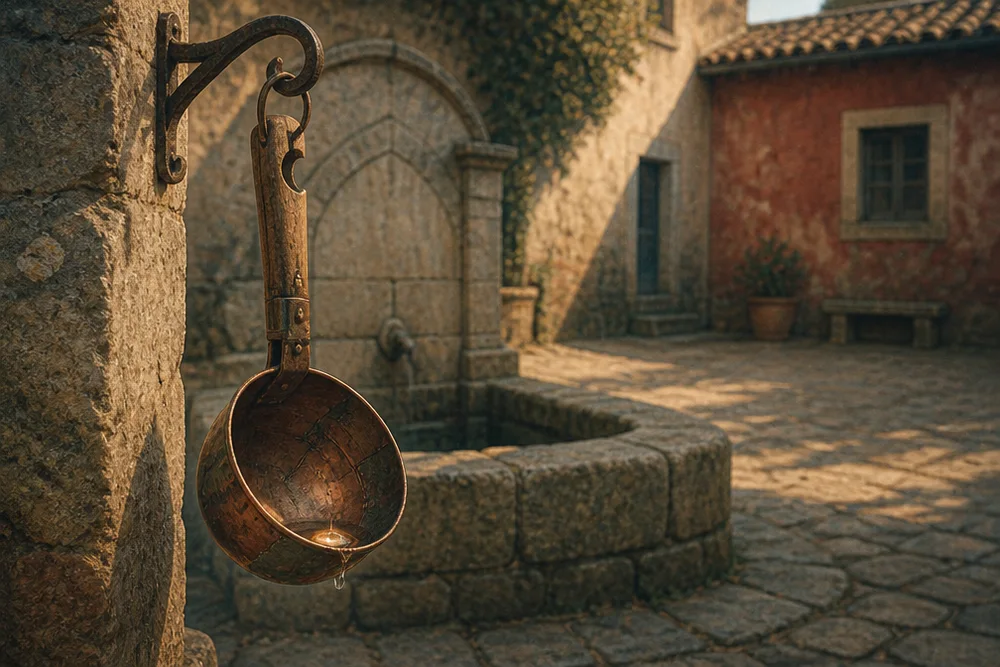
The Ladle That Remembered Rain
On the hottest day of the year, the same soup ladle turns up twice at the village lost-property bench. Jessa Ashby, who tends the bench, wants it back in her kitchen: the crescent nick in its handle fits the tooth she chipped on it as a child.
-
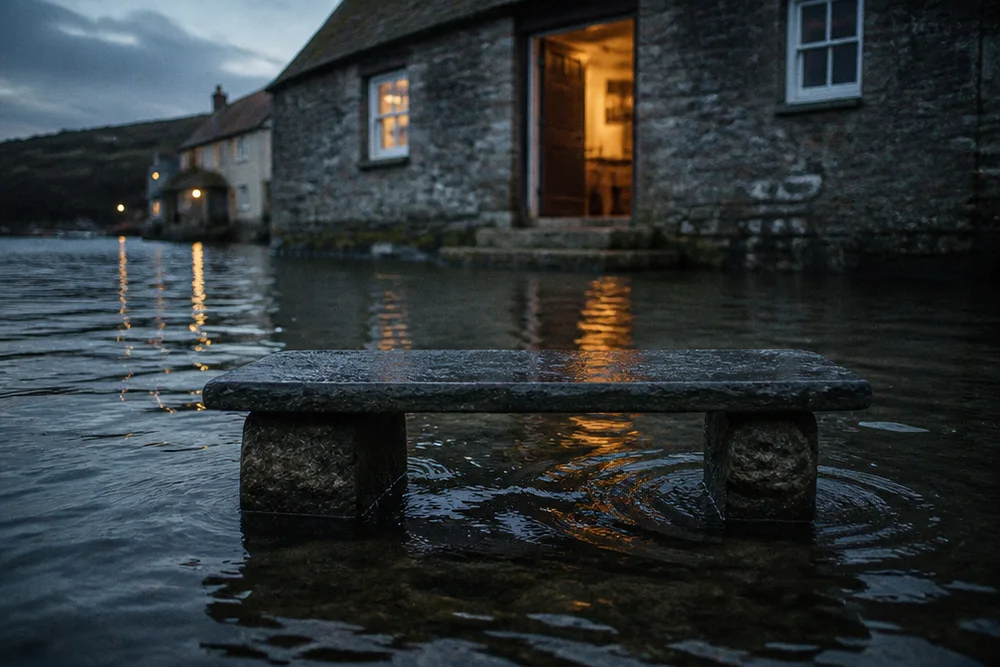
The Doorstep That Walked Away
Una Nettle is about to sell her cottage when her doorstep sprouts legs and walks away. For years she’s kept the stone loose so the village midwife, Ivo Sedgewick, can borrow it as a stepping stone when the tidal lanes flood.
-
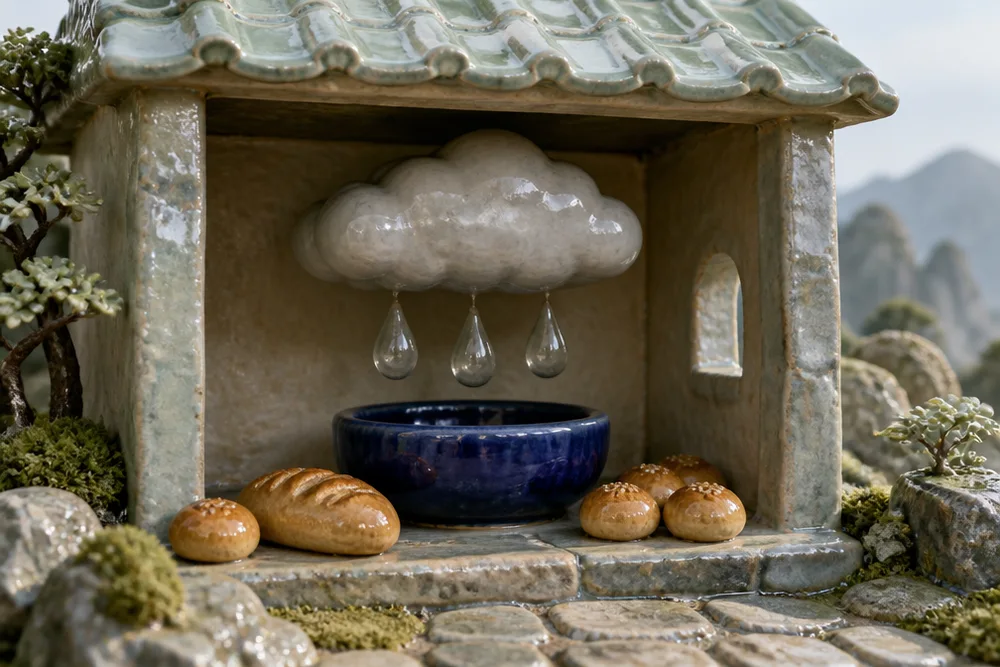
A Room for the Rain
On the driest day of summer, something knocked from inside the village rainhouse. In the old days, villagers filled its stone basins to pay the rain its wages.
-

A Bell for Borrowed Fog
Inside a seashell, Tansy Whitcombe finds the hill fair’s carousel painted in miniature. It’s the first foggy morning of autumn, and she’s at the ferry landing, where she rings a bell on fog days to guide the boats home.
-
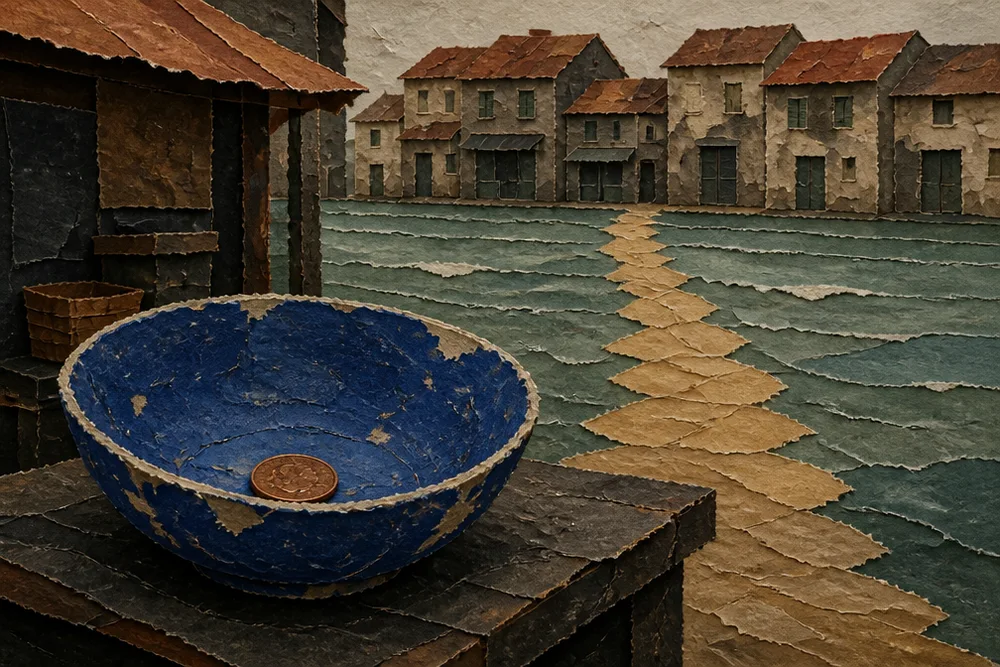
The Bowl That Held Roads
The tide should be ebbing by market time, but Hester Dunscombe carries her late mother’s blue bowl into a square still under water. She hopes to sell it for the ferry fare to the mainland, where an apprenticeship awaits.
-
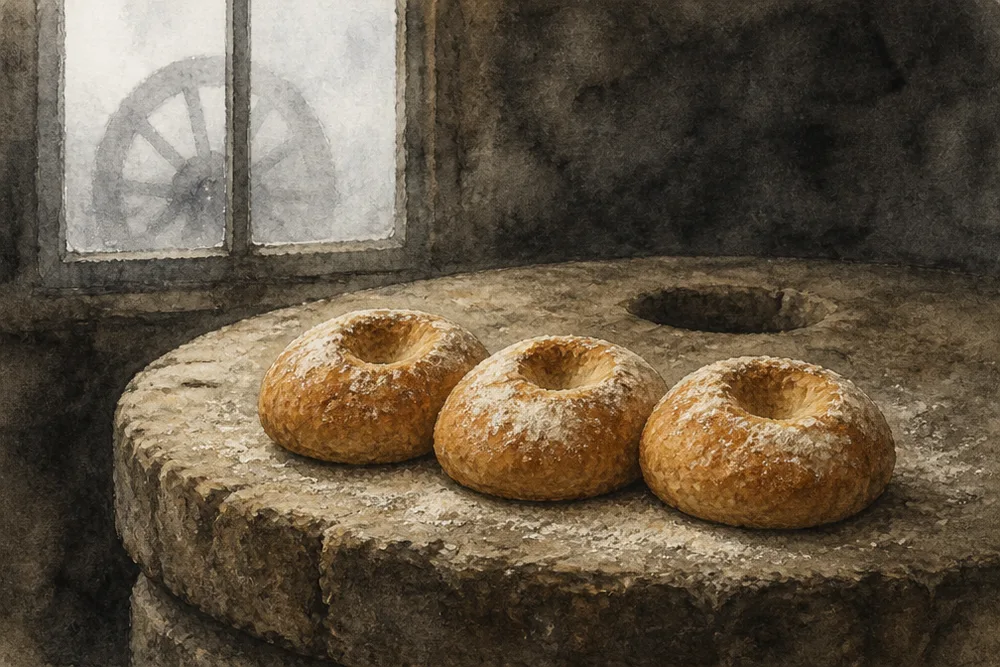
The Mill That Remembered Otherwise
At the first frost, the village mill grinds a sack of flour without turning. Clemency Whitlock wants that sack: her bakery’s flour bin is down to dust.
-

A Ferry for Borrowed Voices
Runa Heggdal has spent three winters saving for a boat of her own. On the morning she goes to buy a bell, an alder-wife rises from the shallows and offers her a ferry for nothing, so long as she promises never to ring a landing bell.
-

A White Coat From the Millpond
On the first thaw, pilgrims wait below the hill for Mara Flintwick to ring the bell and sell them the valley’s first honey cakes. But the two hamlets that share the bell disagree about their oldest order: “Keep winter from the valley.”
-
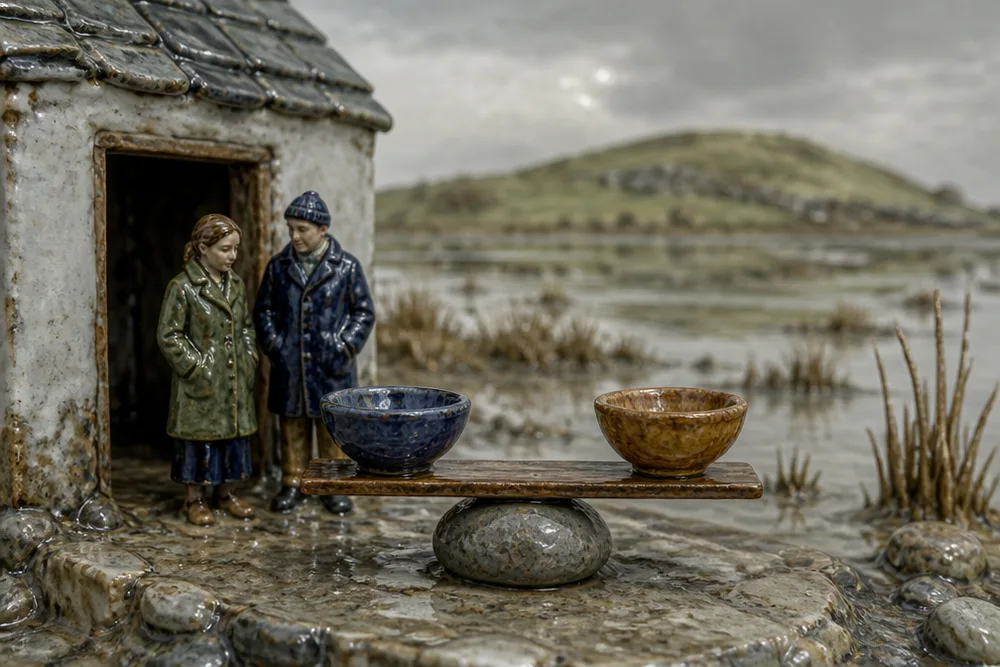
The Door That Counted Bowls
By the time Anwen Hatherley reaches the old ferry house on the hill, the salt marsh has swallowed her kitchen. She carries a blue soup bowl and hopes to claim a room.
-
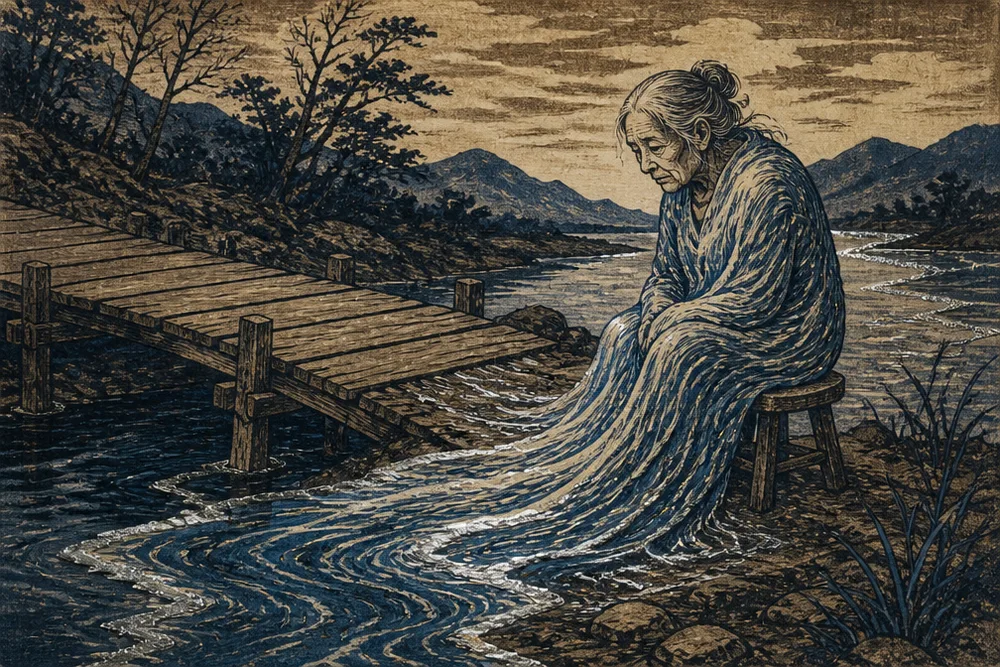
Minnow Eyes at the Mill Doorstep
At nine this Thursday, Jessamy Thirkell comes to check the village bridge for loose nails and finds the river on her inspection stool, folded into the shape of a wet old woman. It would like its bend back.
-
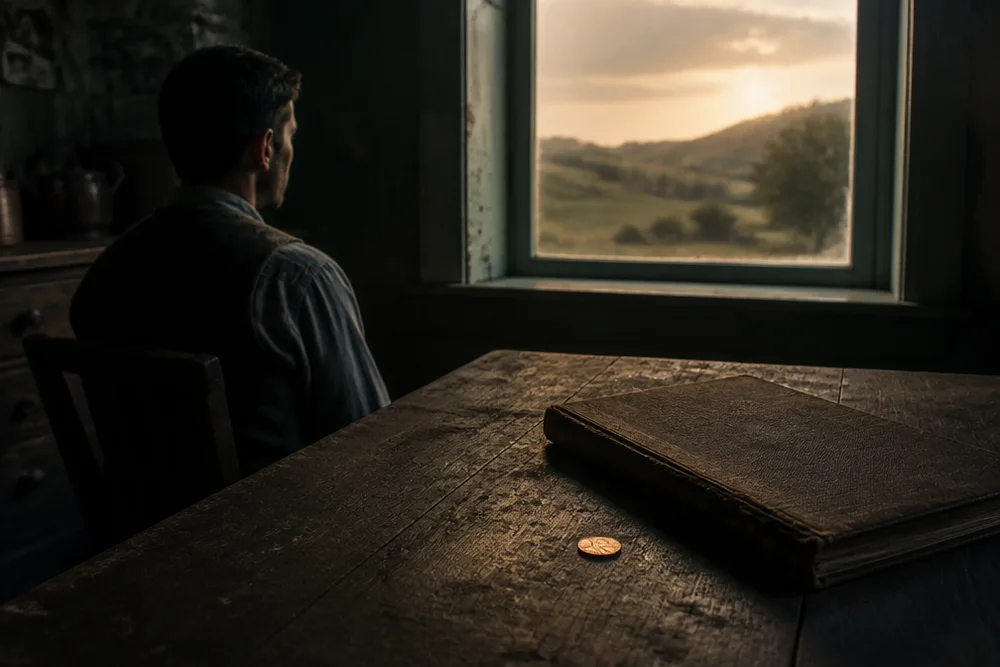
The Village That Rented Dawn
The new village clerk, Cora Bracken, knows exactly where she’d rather spend the copper penny the ledger sets aside for dawn each Thursday: on mending the footbridge, so her father can visit without a six-mile detour.
-
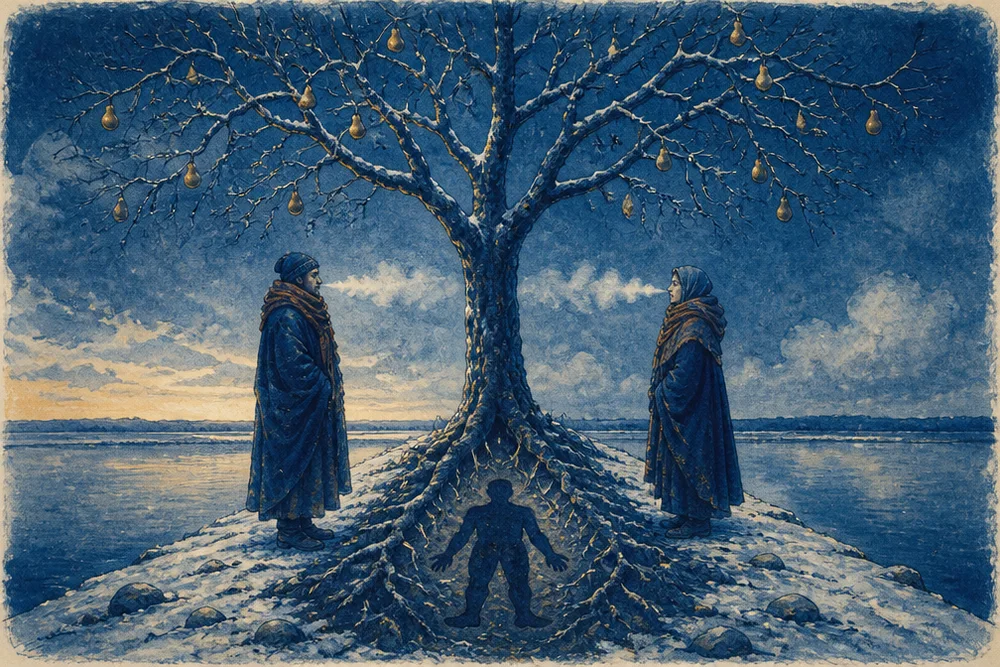
The Pear Tree Under the Cobbler’s Shadow
The salt flats freeze, and a bell rings beneath Bessa Thwaite’s kitchen floor. She’s waited seven winters to hear it: until dawn, the road to her drowned orchard will rise, giving her a chance to bring home a cutting from her mother’s pear tree.
-
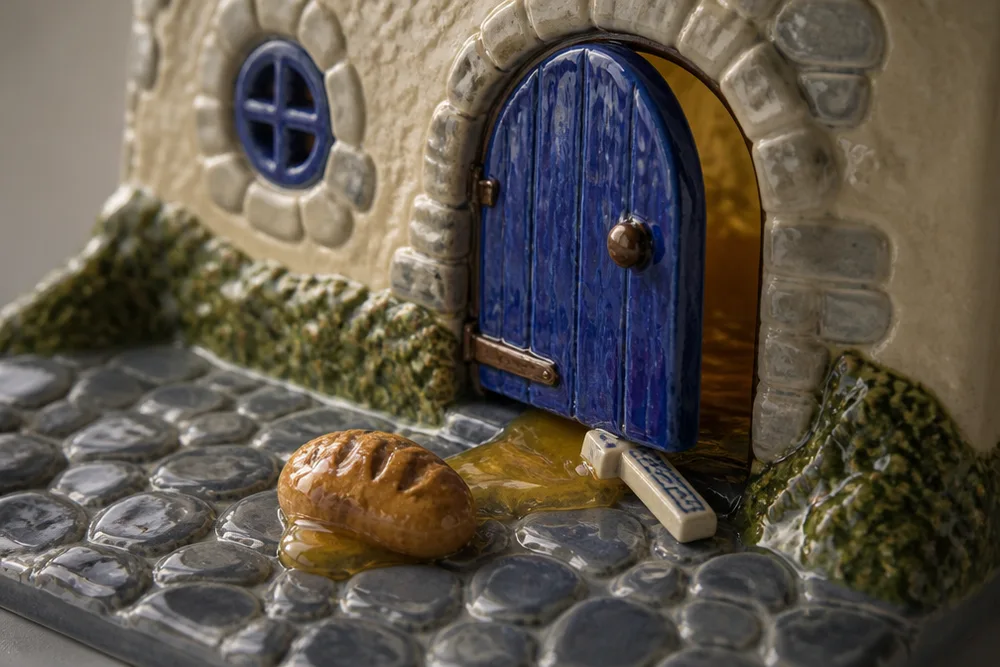
A Door Against the Dawn
Tamsin Linnock has spent years boasting she can fix any door, but what she really wants is a shop with a roof that doesn’t leak. The village council offers her the empty tollhouse on one condition: “Bar the dawn door.”
-
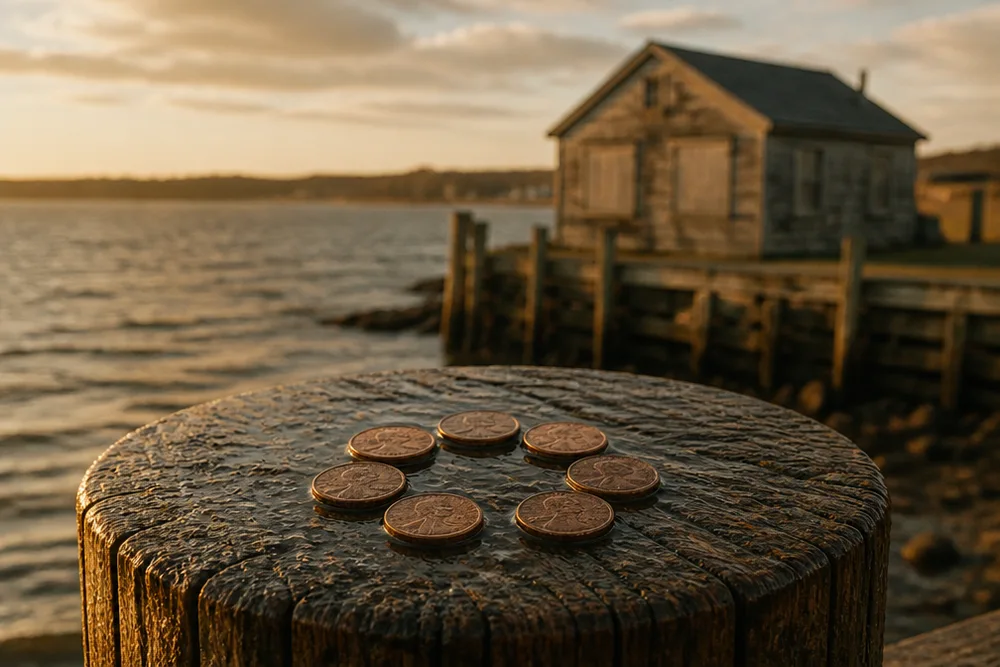
Speaking Pennies, Winter Coal
On her first Friday as Bellwick’s bookkeeper, Nella Tern finds a seven-penny charge in the harbor ledger for ‘keeping the way open.’
-
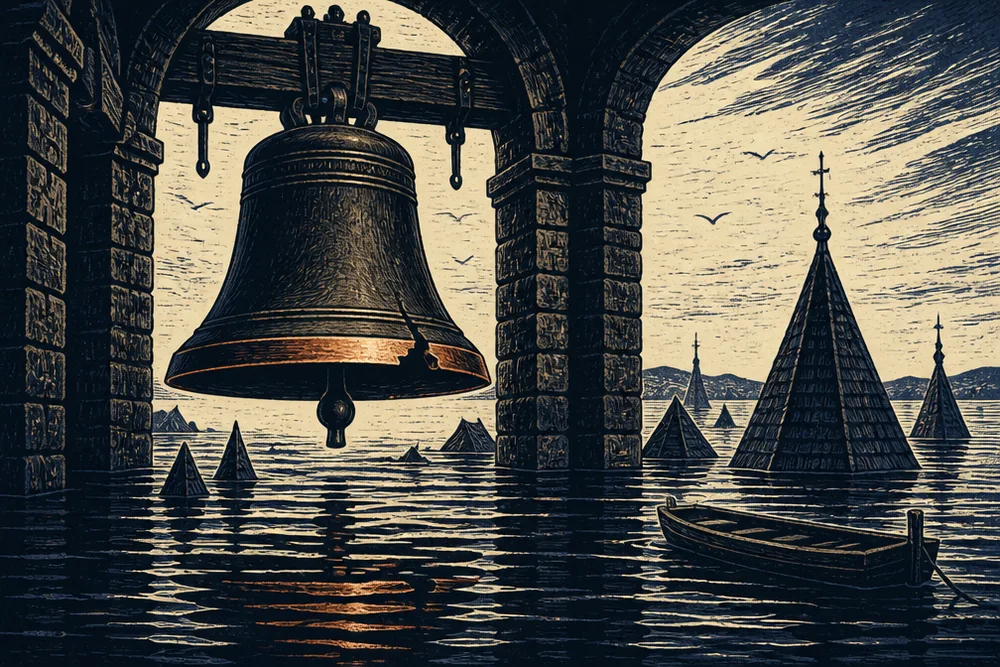
The Bell That Rang Inward
Della Yardwick had just set her first batch of bread to rise when the sea climbed the bell tower. By dawn, she meant to sell enough loaves to buy her brother, Lewin Tern, out of his ferry apprenticeship.
-
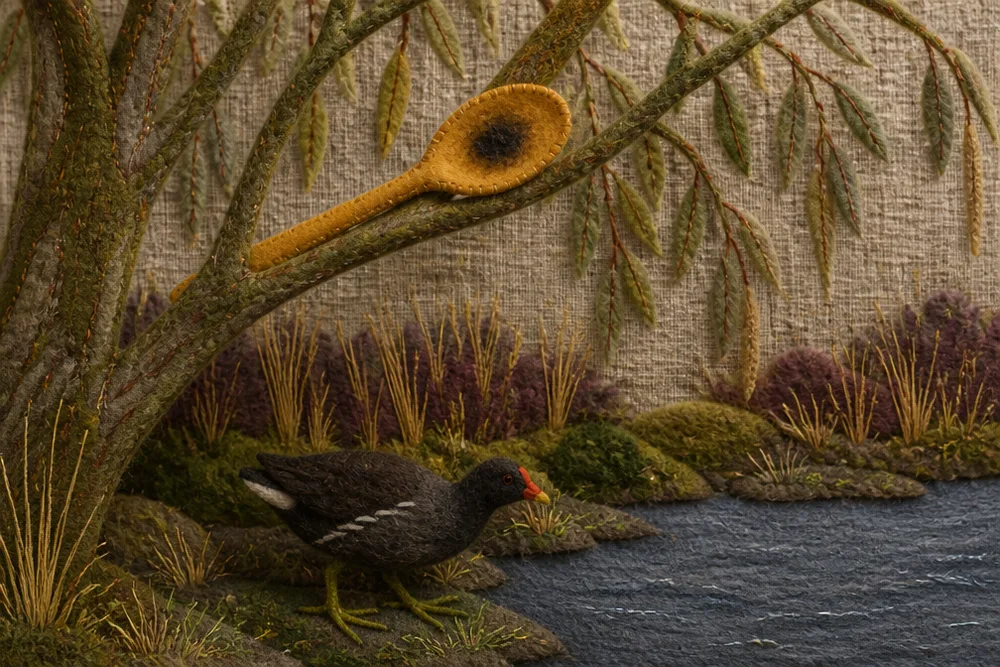
The Spoon That Stirred Tomorrow
By breakfast’s end, Sedgewick’s judge has heard three arguments over a wooden spoon. Tamsin Brackenthorn carved its handle and needs it back to make blackberry jam for the ferry fair.
-
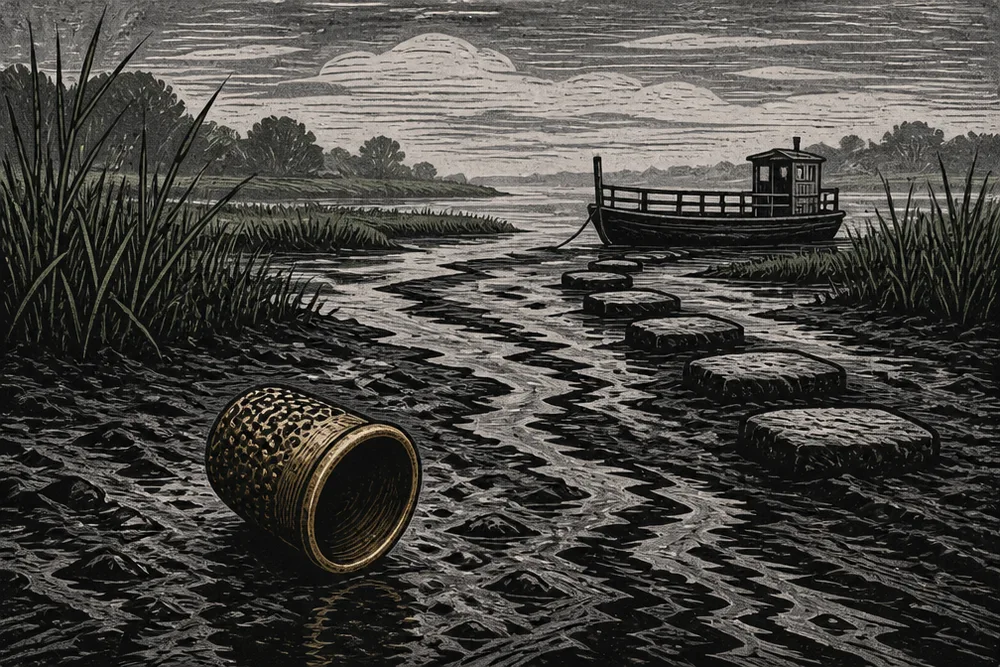
A Thimble Full of North
At low tide, Mara Reedle finds a brass thimble walking on its rim across the mud. She wants to sell it for enough lamp oil to reopen her late grandmother’s ferry landing.
-
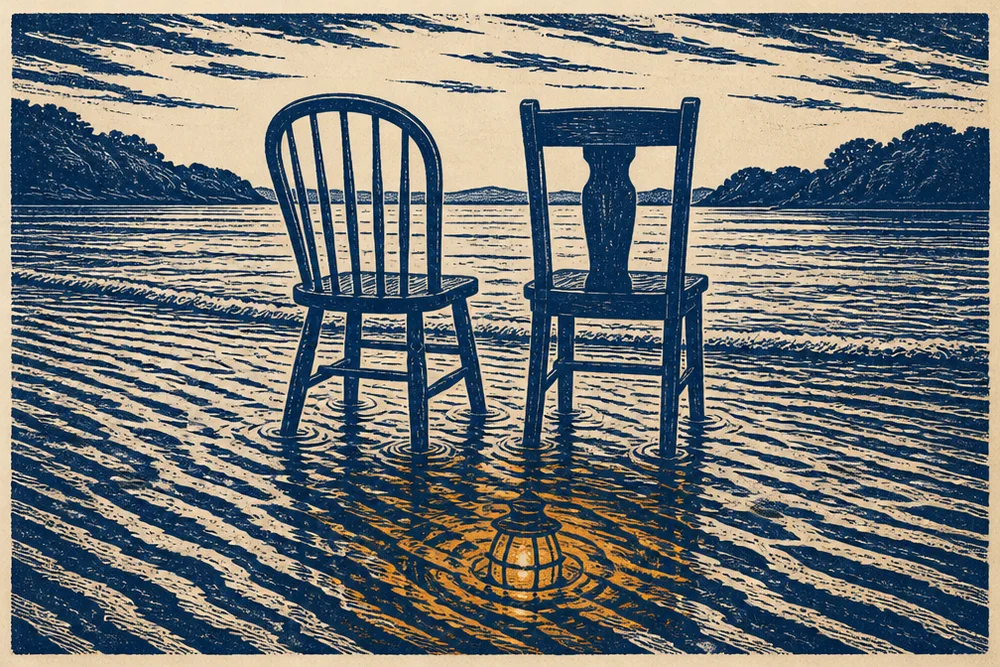
The Tide Keeps One Chair
Low tide leaves just enough mud for Greta Nairn to set out two kitchen chairs. She hopes her brother, Lyle Quinceworth, will sit in the second and help her bring back the village ferry.
-
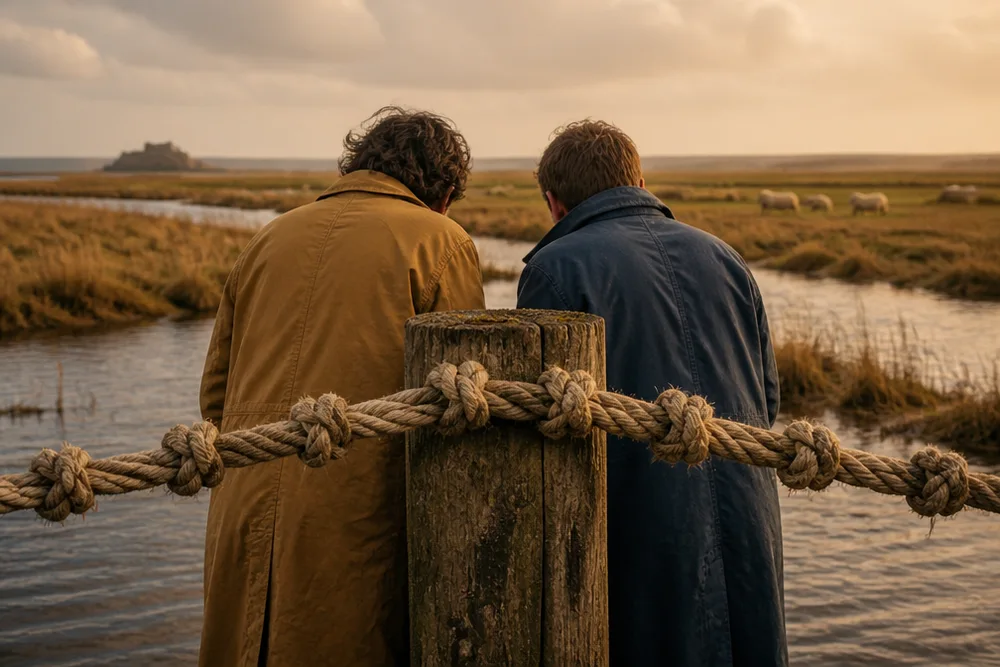
A Bridge in Seven Knots
At low tide, an old bridge asks Hazel Penwick what she wants most. She wants to carry her mother’s apple tree out of the salt marsh before the spring flood.
-

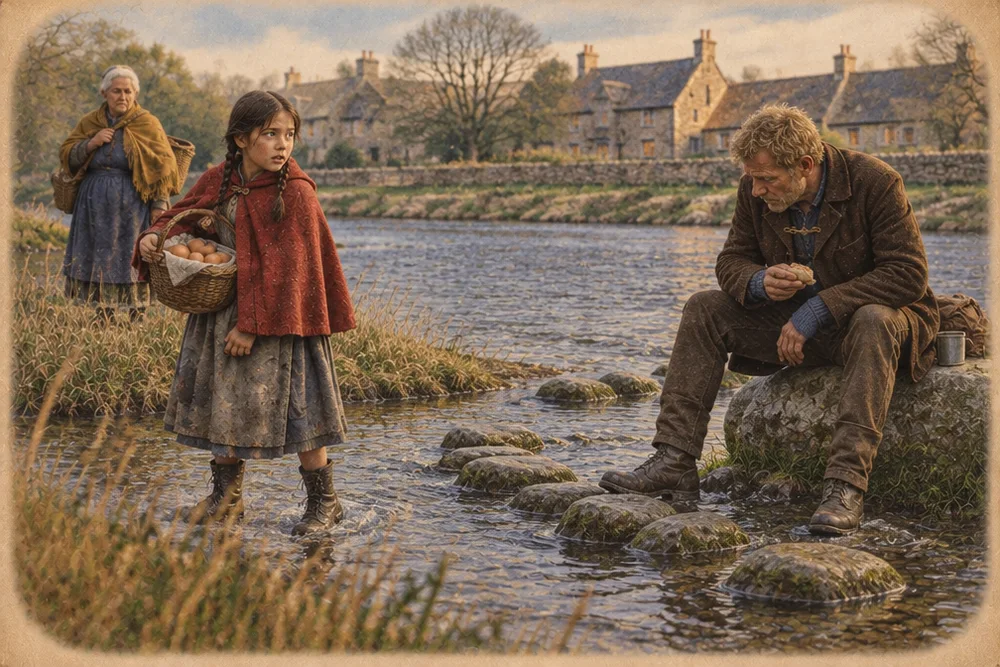
The Debt of Dry Feet
The salt marsh swallowed the causeway with twenty minutes left for Jennet Rooke to get her bread to market. Laurence Celandinegrove, a cobbler with a stall on the far bank, lent her a pair of dry boots that carried her over the water without sinking.
-
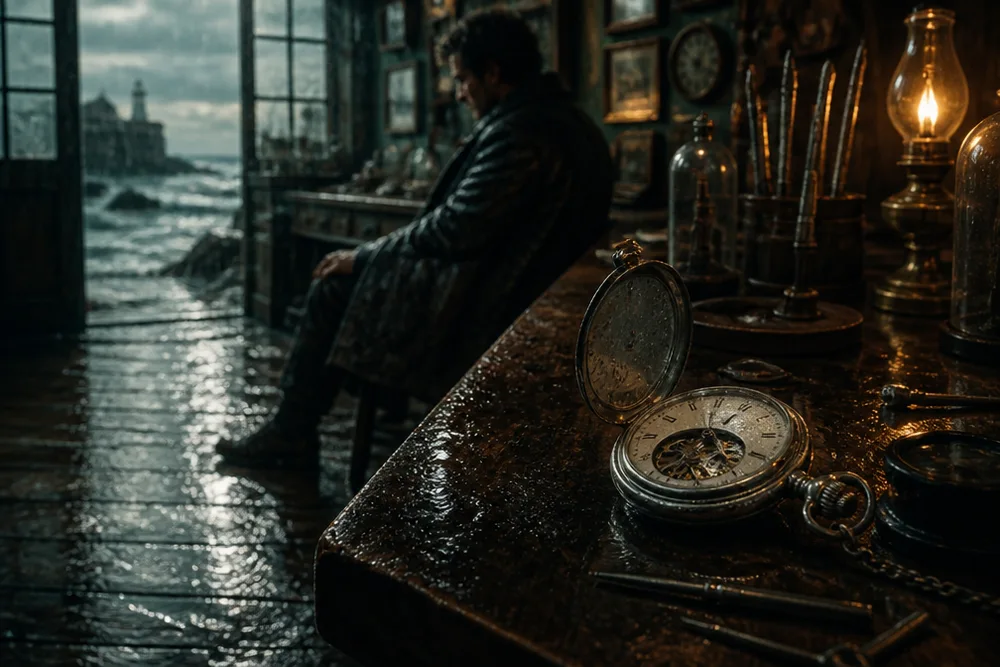
A Watch Repair at Half Past Wharf
At half past four, the waiting-room floor tilts toward a visitor’s boots. Pippa Voss, the clockmaker’s apprentice, knows it’s the tide, come to have its watch repaired.
-

Two Shadows for the Moon
The fiddlers at the marsh fair can’t read the tune pinned to their stand: the moon has slipped into the millpond. Lucy Thorndunn has promised her grandmother the first dance, so she goes down to the water’s edge.
-
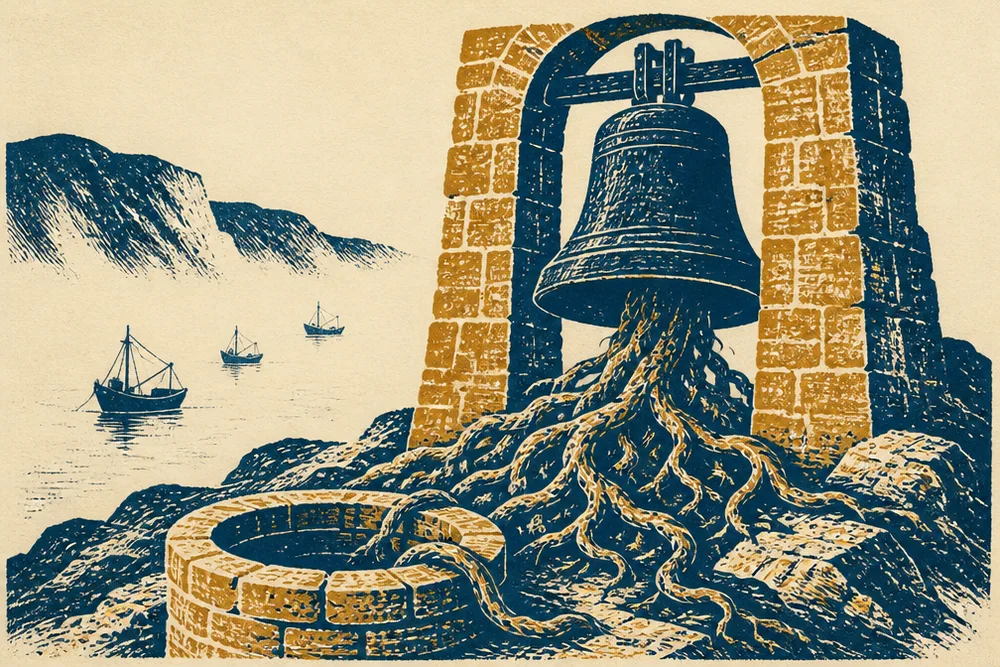
When the Bell Grew Roots
Zillah Willowstone was halfway up the bell tower to practice her first solo when the village bell grew roots. All winter she’d been learning the tune that called the fishing boats home through the fog.
-
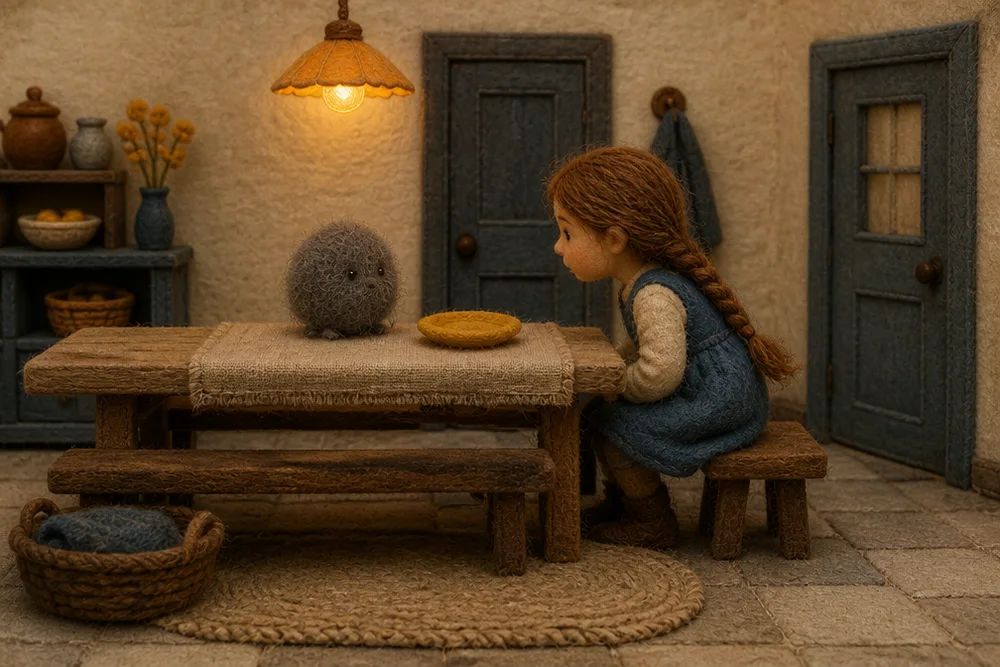
The Hall of Unfinished Boos
Tansy Flinthollis needed a birthday table long enough for all her cousins, and only the old Scare Hall was wide enough to hold it. The hall had twelve doors, all marked EXIT: once upon a time, nobody went there to stay.
-
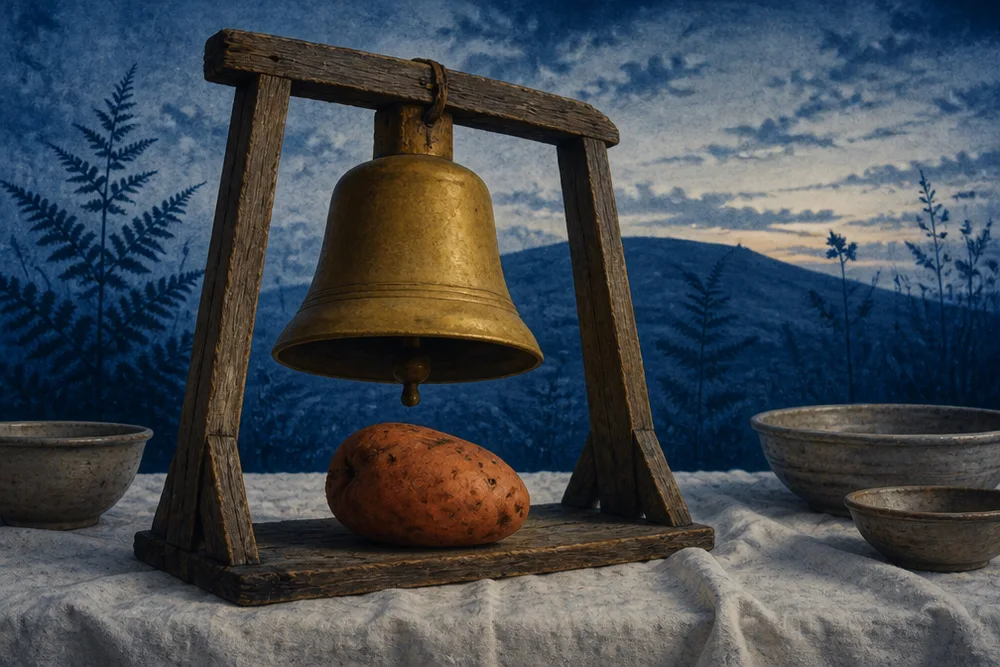
The Bell That Rang Downward
A potato popped out of the ground when Kelda Gorse rang the bell for the hilltop feast. She’d hung the village’s invitation bell upside down, and with every ring, something else pushed through the soil.
-
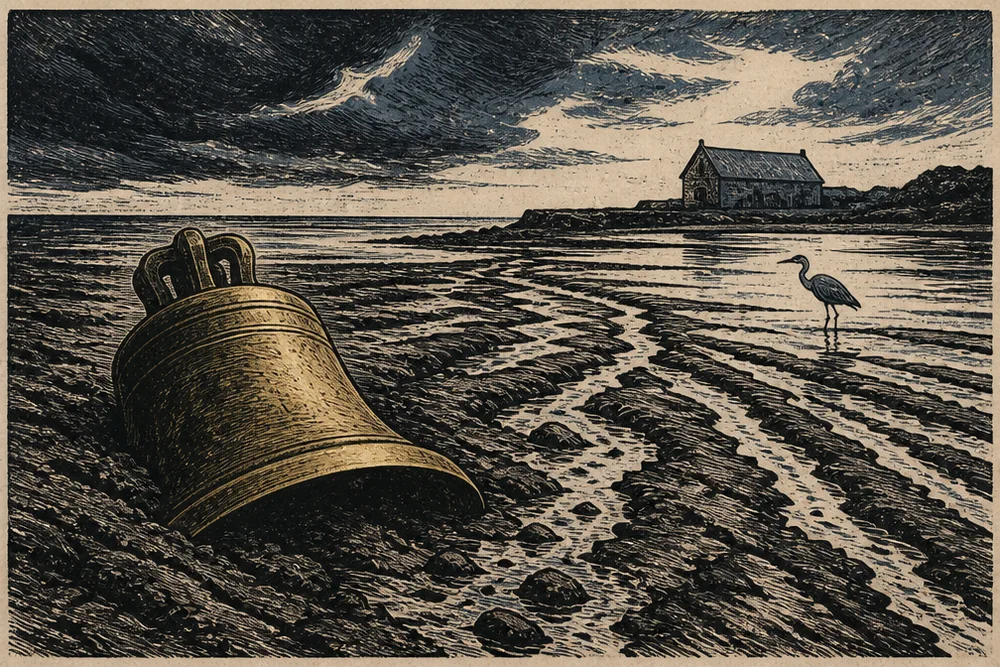
A Bell for Borrowed Ground
At the year’s lowest tide, a brass bell pokes out of the mud like something that has grown there. Ylva Marr finds it where her mother’s orchard once stood.
-
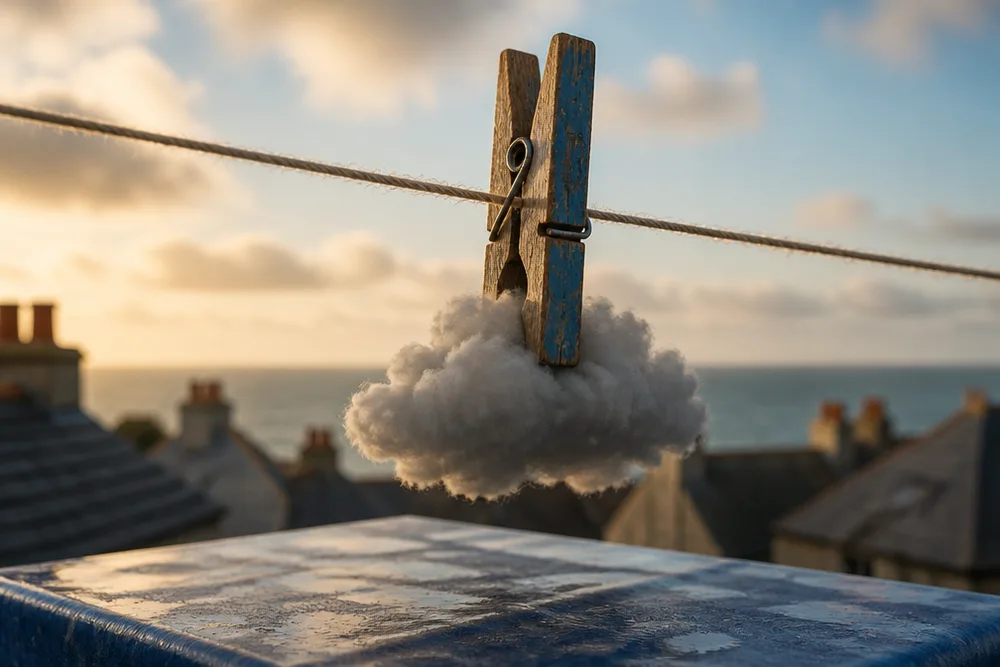
The Peg That Held Tuesday
A cloud no wider than a bedsheet has kept Tuesday’s washing dripping all along the seafront. It’s Zadie Mothdale’s first turn hosting the neighbors, and she needs her late mother’s blue tablecloth dry by supper.
-
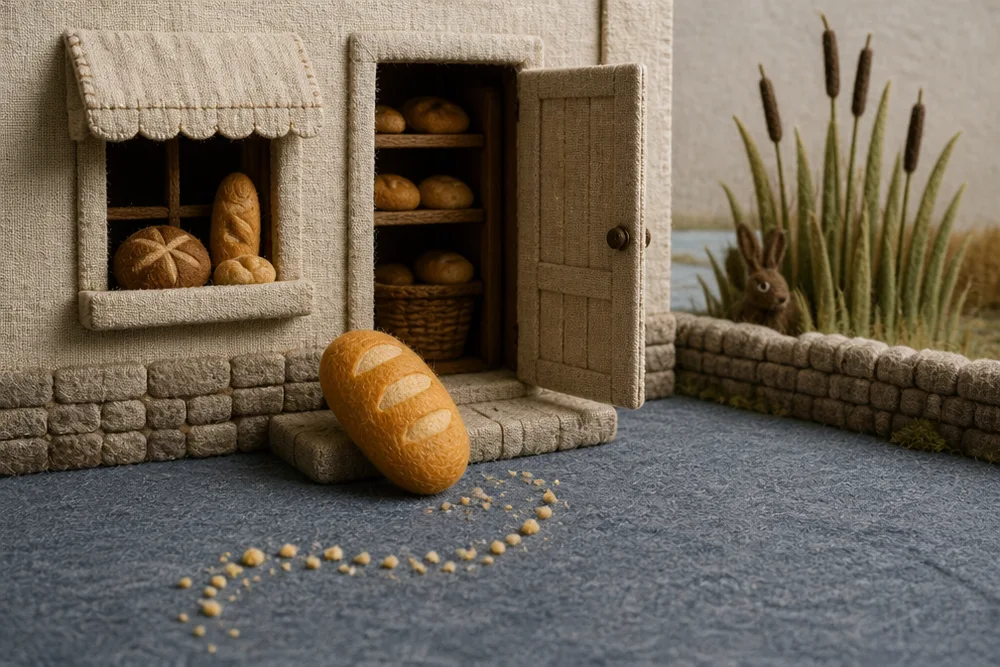
The Favor Beneath the Floor
Every spring, the river knocked three times at the village doors. This year it came in without knocking.
-
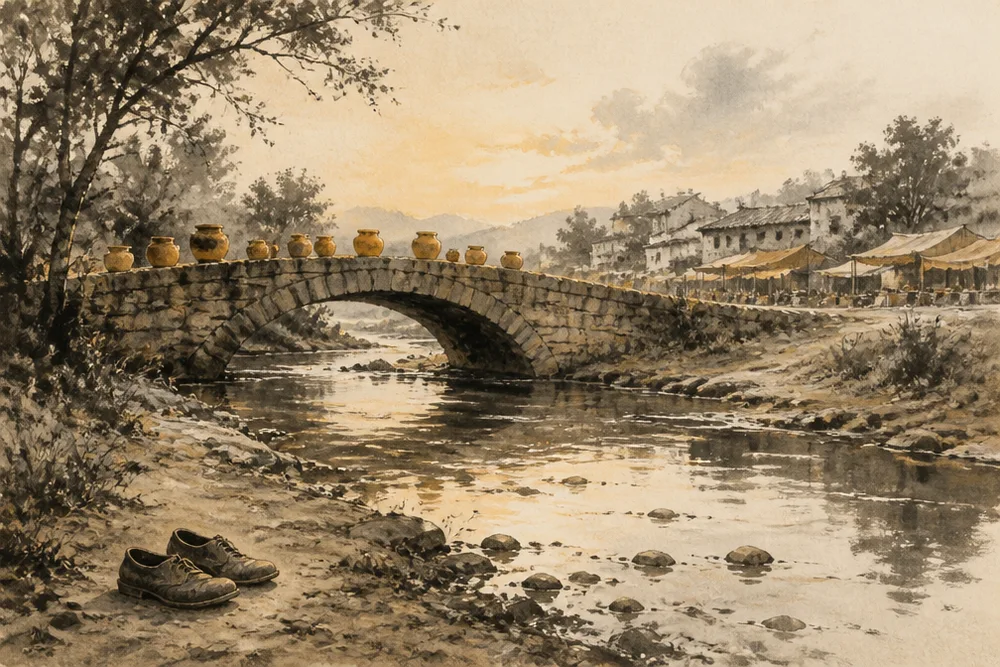
The Bridge That Wanted Shoes
Every spring, the long road to the fair rattles a few of Greta Larkspur’s best clay pots to pieces. This year she needs to sell the whole set to put a deposit on a kiln of her own.
-
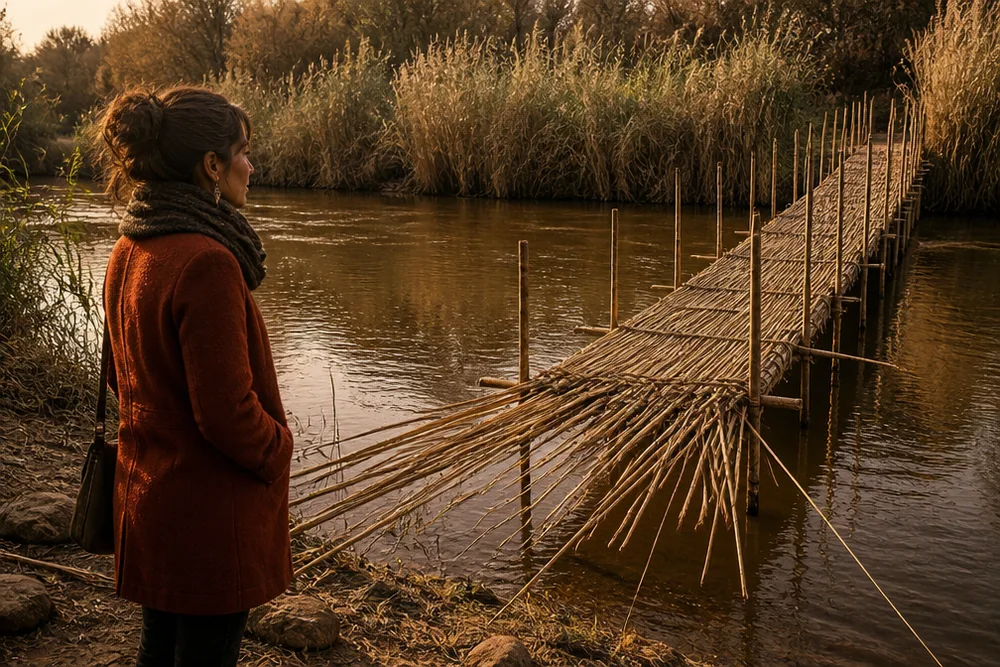
Reeds at the Salt Fair Auction
By the time the salt fair opens, the river has returned every boat except Jessamine Brigg’s. Fenella Broomstow needs her former ferry partner on the village bank by dusk: unless Jessamine vouches for her, the fair stewards won’t let Fenella bid for a ferry of her own.
-
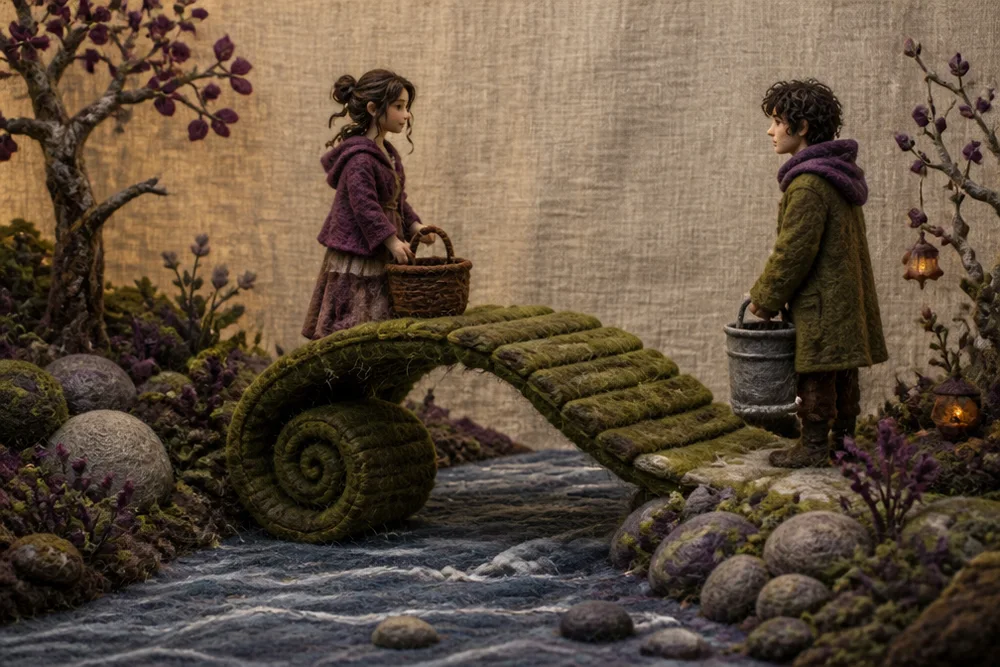
The Bridge That Crossed Sideways
Fern Marchway has a dry basket of plum pits and just enough time to reach the seed fair before the last stall packs up. Then the river takes offense at the word “across.”
-
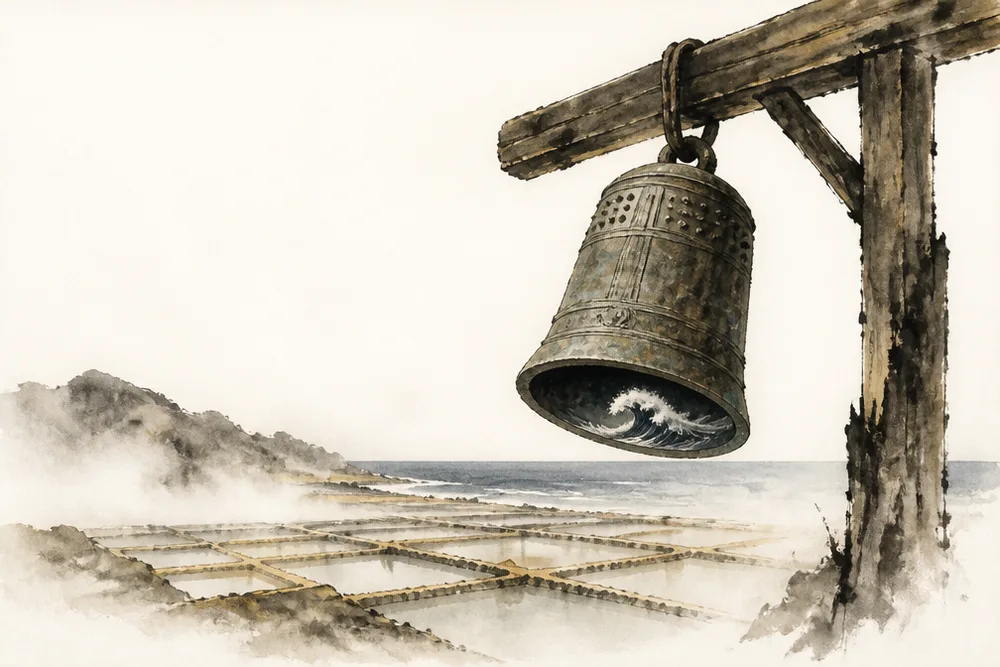
A Wave in the Bell, a Sail in the Loft
A tiny wave lies curled inside the harvest bell on the morning Cora Saltwick is meant to ring it for the first time. For generations, the bell has called fog to the village’s salt pans.
-
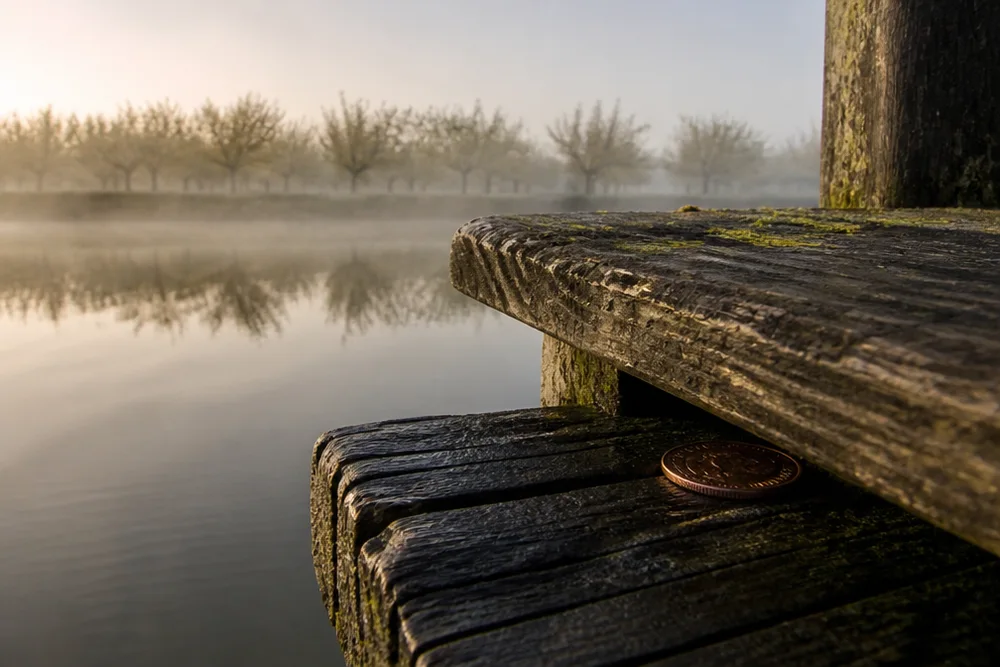
A Penny for the Fog
The ferry ledger has a line for a toll Verity Oriolestone has never heard of: one penny at dawn, every day. On her first morning as ferry keeper, she finds the penny tucked under the landing’s lowest step.
-
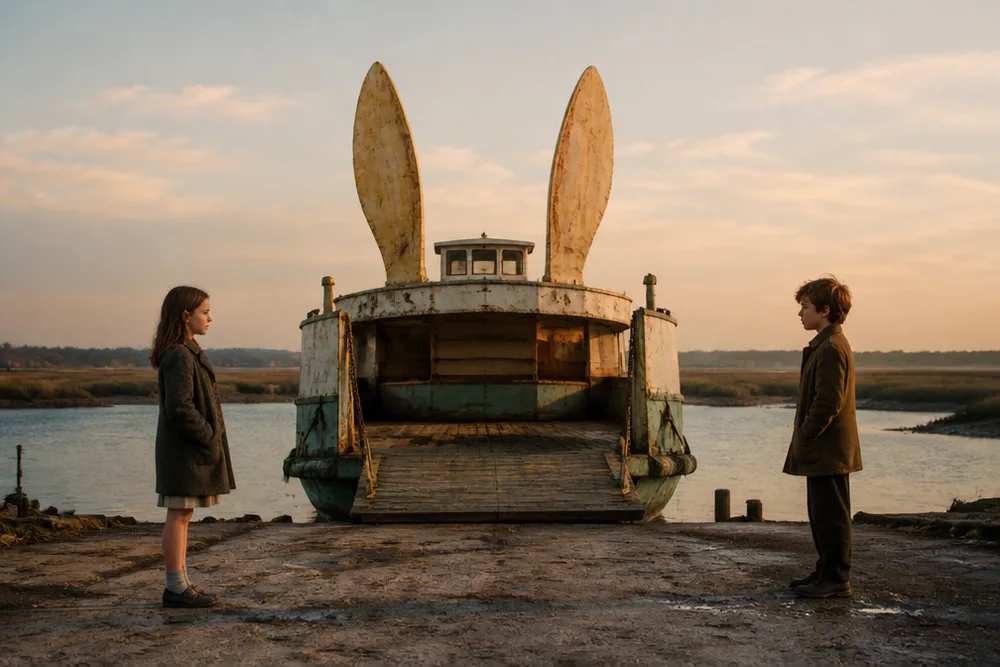
The Ferry That Heard Everything
Every spring, Fern Greeve watched the old wooden ferry wake at low tide and grow ears. Once awake, it carried the villagers across the salt marsh.
-
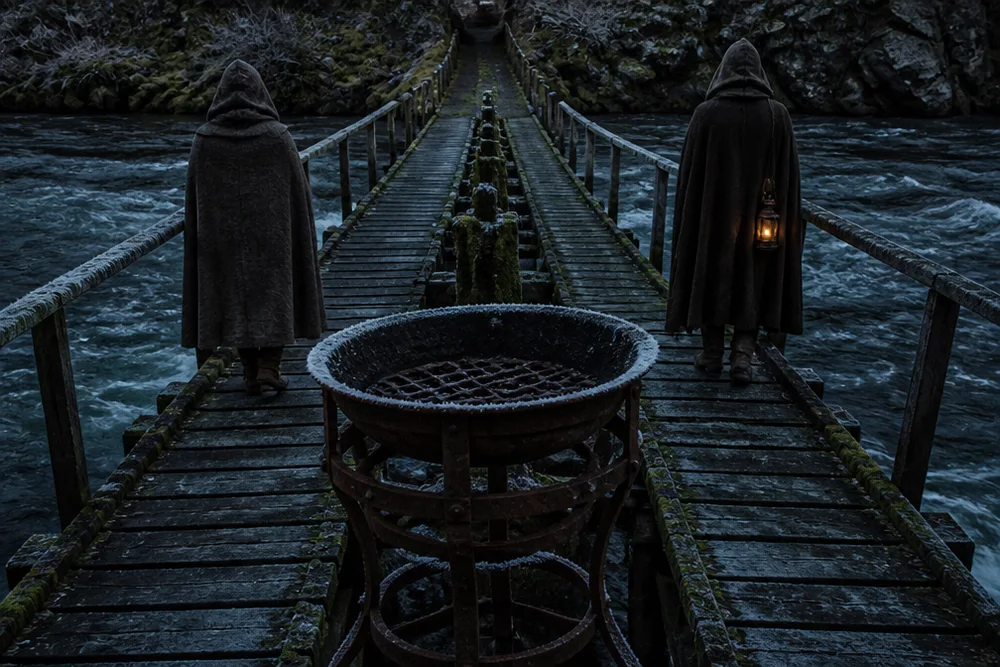
The Bridge That Borrows Voices
Wet tinder and a crack in her lantern have cost Orla Crowther most of the morning. When her mule plants its feet, she leaves it behind and carries the live ember on foot.
-
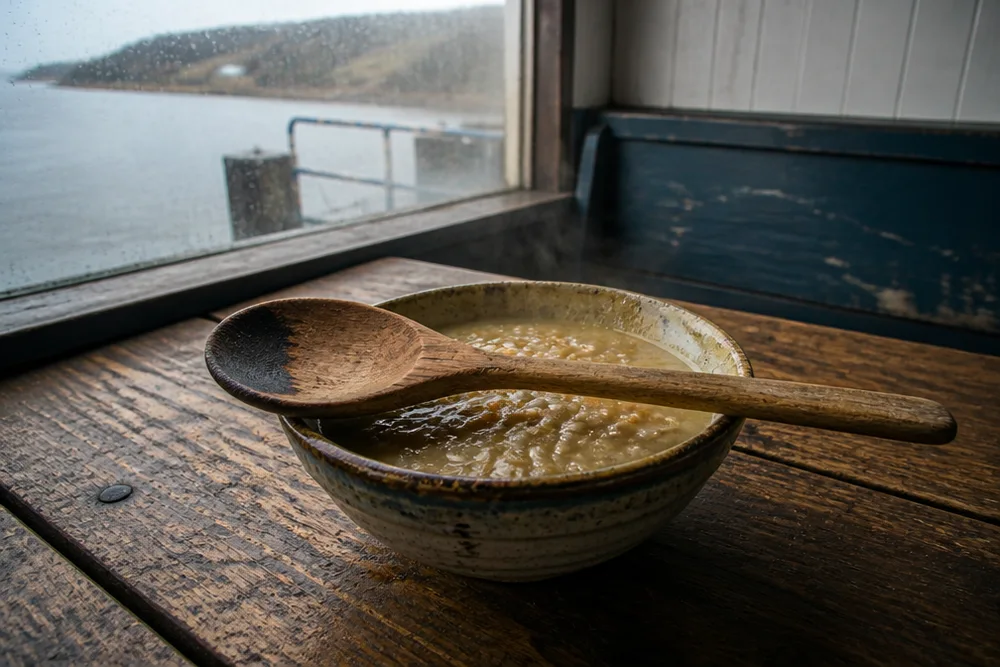
The Spoon That Counted Suppers
The pot is empty when Zillah Starlingwick’s grandmother’s last wooden spoon stirs it and scoops up a bowl of barley soup. Zillah had meant to sell the spoon that morning to pay for a stall of her own at the winter market.
-
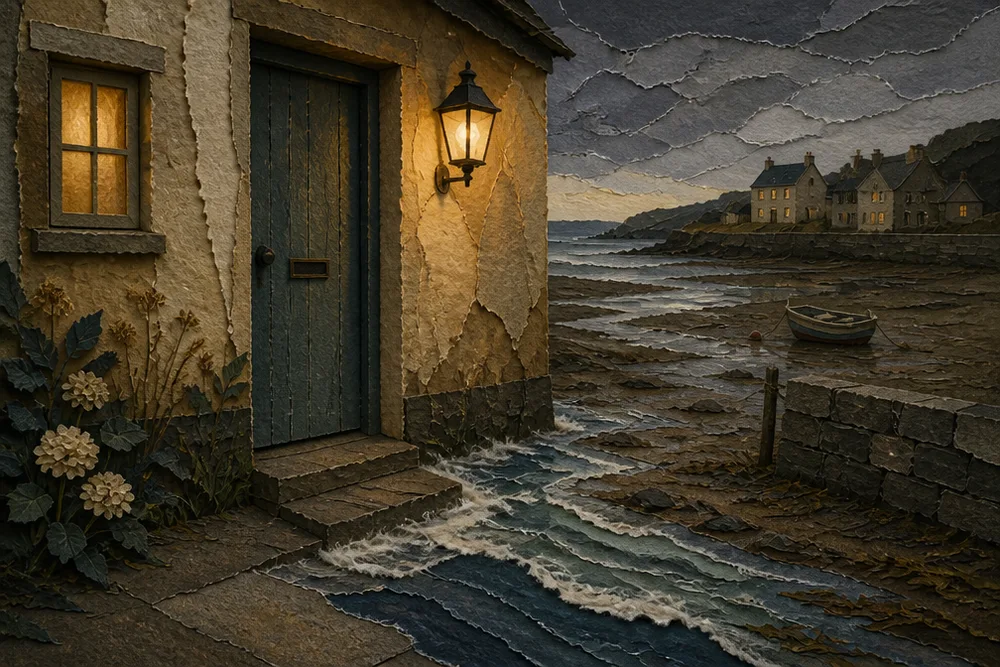
The Bell That Called the Tide
Aveline Oakenweald has barely sat down to supper with her younger brother, Idris Oakenweald, when the sea knocks on their door. She’s left her post as dusk bell ringer to become the village cobbler, so she can eat with Idris before he falls asleep.
-
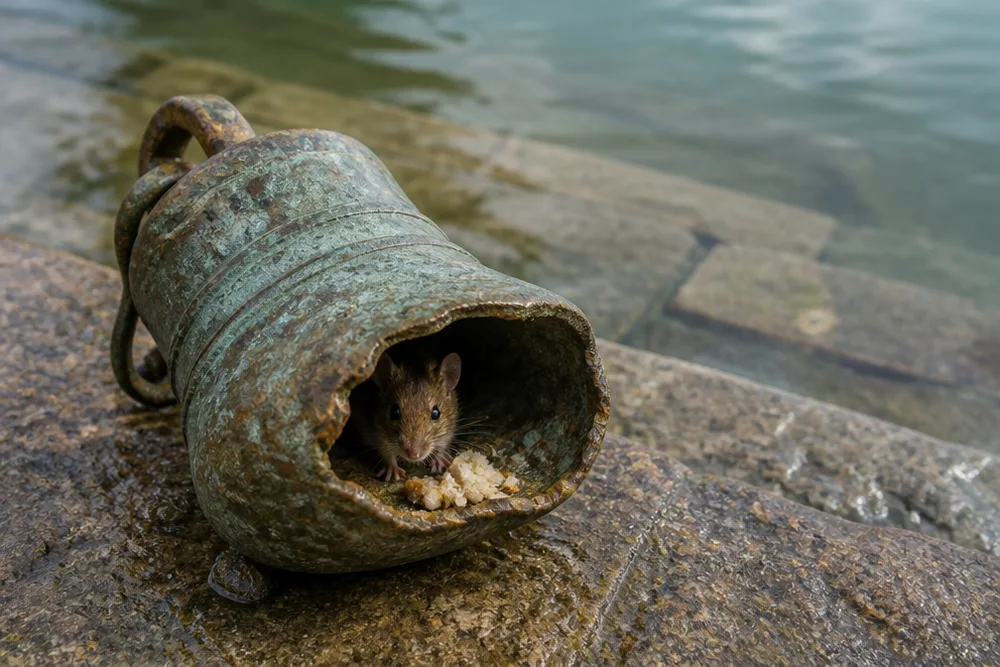
Where the Salt Road Waits
The first thing out of the cracked ferry bell that morning was a mouse carrying a dry bread crust. Vera Trewick took it for a good sign.
-
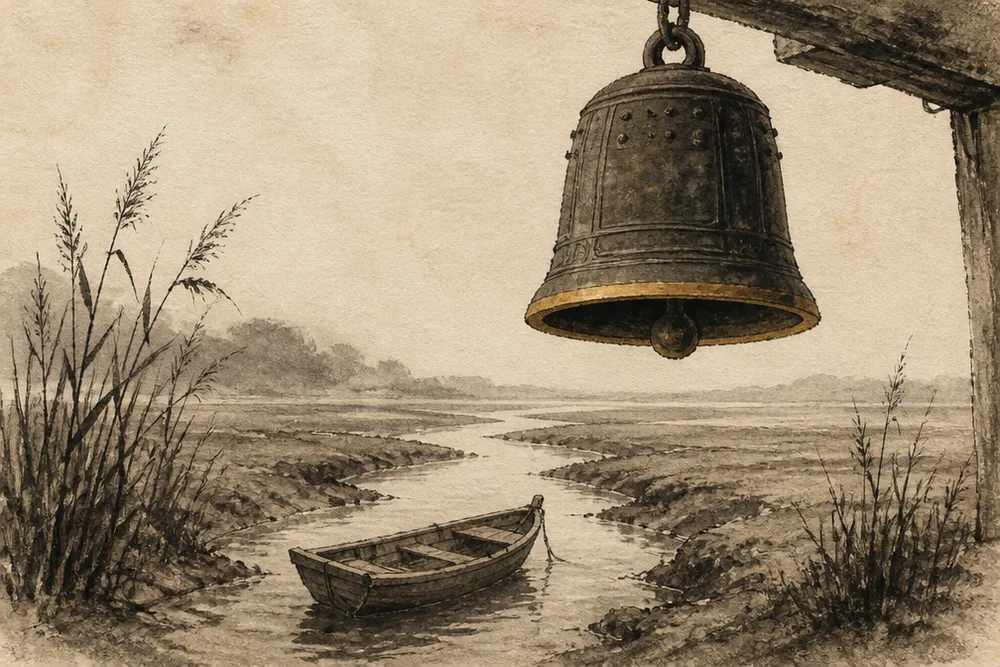
The Beeswax That Held Back a Bridge
At dusk, the shore bell calls every boat back to Sella Ringden’s salt-marsh village. Tonight the first boat comes home empty, its oars still dripping a hundred years after it sank.
-
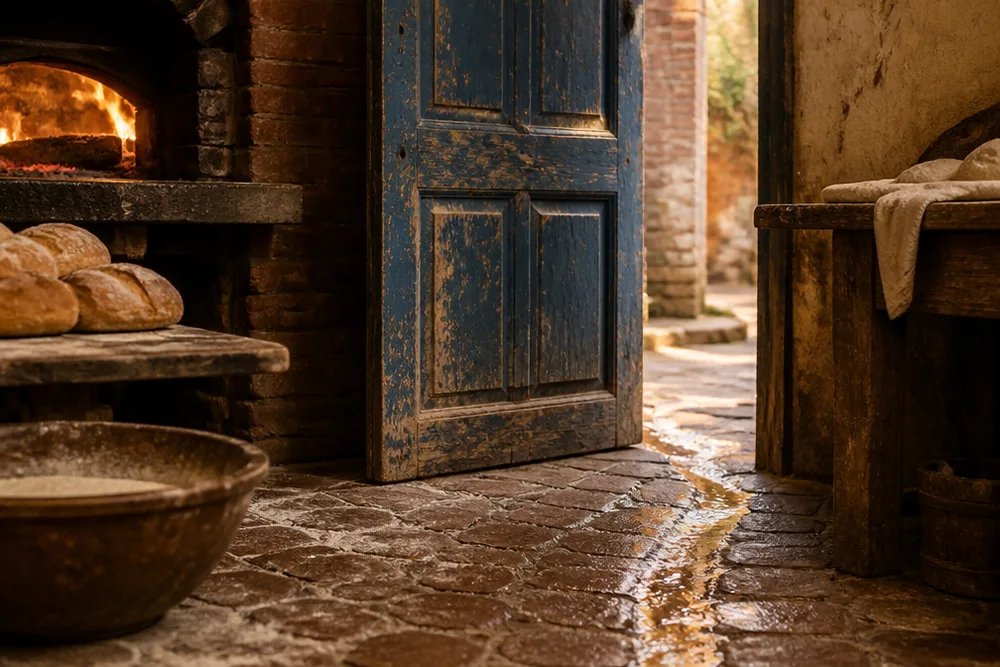
A Heel of Bread for the Ferry
The river asks to come indoors just as Elspeth Linderware’s first loaf for sale under her own name is halfway baked. Her bakery was once the village floodhouse, and the keeper’s last order still stands: “Keep the river out of the village.”
-
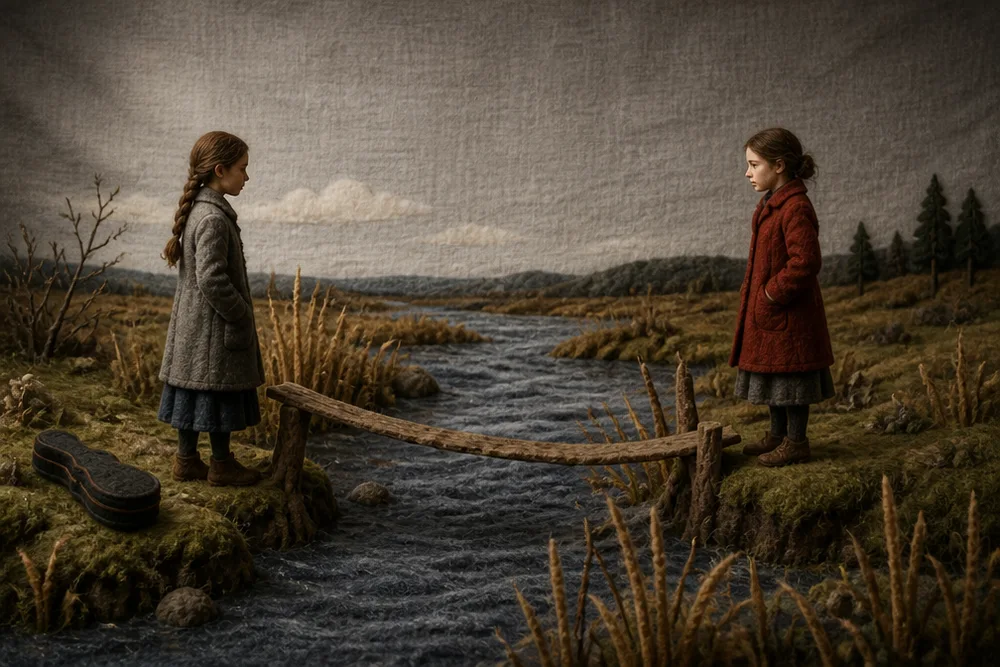
The Rush Bridge and the Fiddle’s Lost Verse
By noon, the road to the salt fair lies under the tide. Tansy Rooke has spent all winter piecing together the opening dance tune from scraps of memory, and she means to play it on her mother’s fiddle.
-
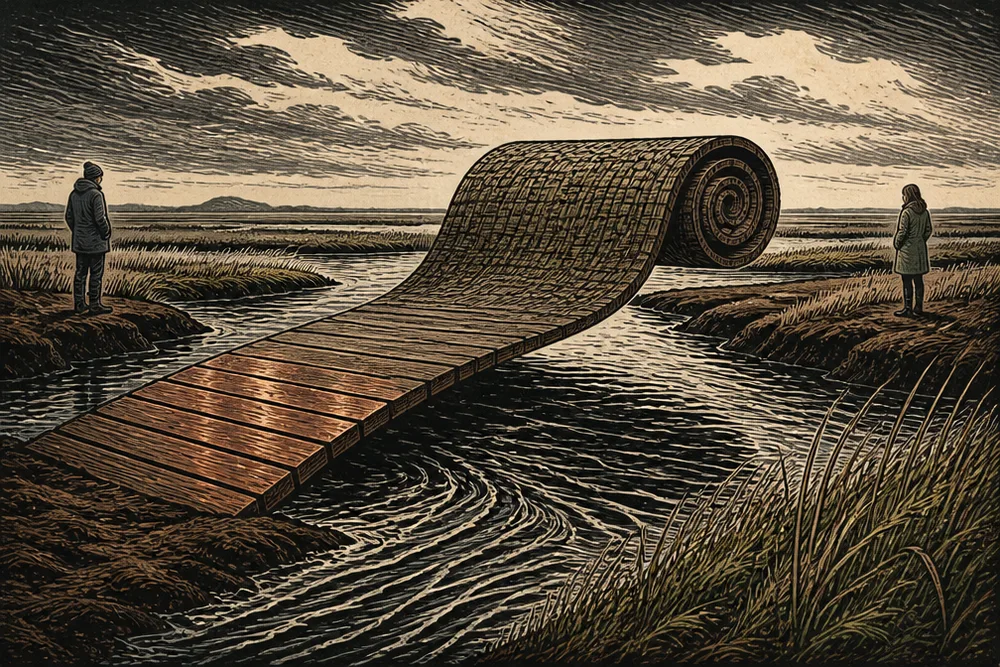
A Bridge of Borrowed Breath
On the morning her brother is due home, Mara Cairncross finds the village bridge rolled up on the far bank like a sleeping rug. She wants to bring him home before the autumn tide cuts off the marsh for a month.
-
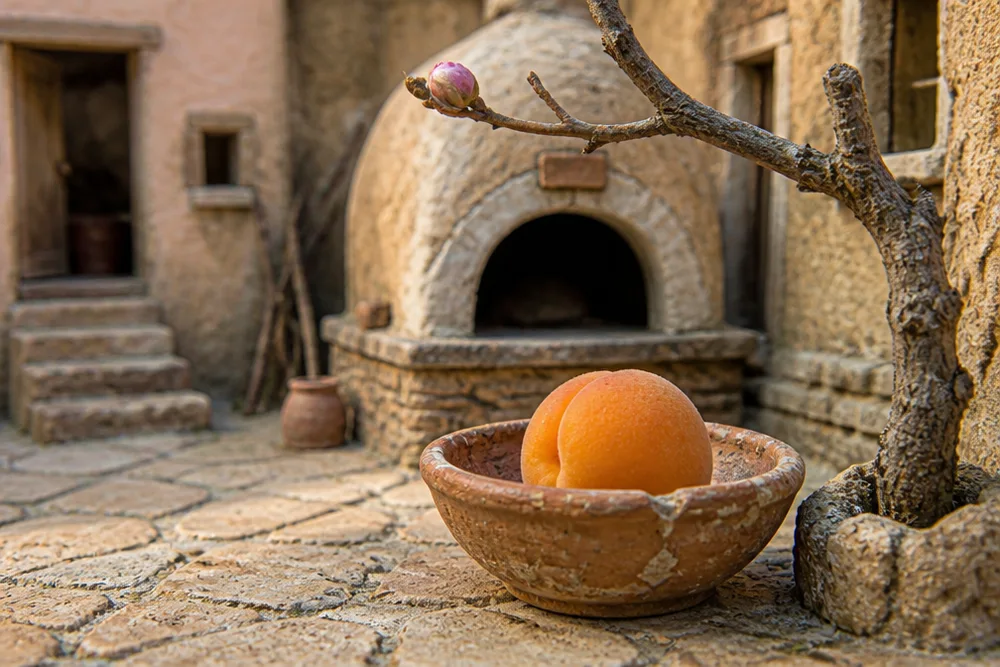
An Apricot for a Whisper
The apricot tree has one ripe fruit and not a single open flower. Rima Glenveil wants that fruit for her father's birthday rice pudding, so she pays the tree with a rumor: Hadi Sorrellwill is bricking up the courtyard's little stone oven.
-

Lantern Rope for the Turned-Away
At the first frost, the river came to collect its bell. Hester Saltfen, the village bell keeper, hoped to cross once more before the ford closed for winter.
-

The Bridge That Learned to Bend
Kit Driftwick has a plum cake to carry to her grandmother by supper, but the village is still braiding its autumn footbridge from reeds. Ned Hushmarsheaf is the only one who has ever finished a bridge.
-
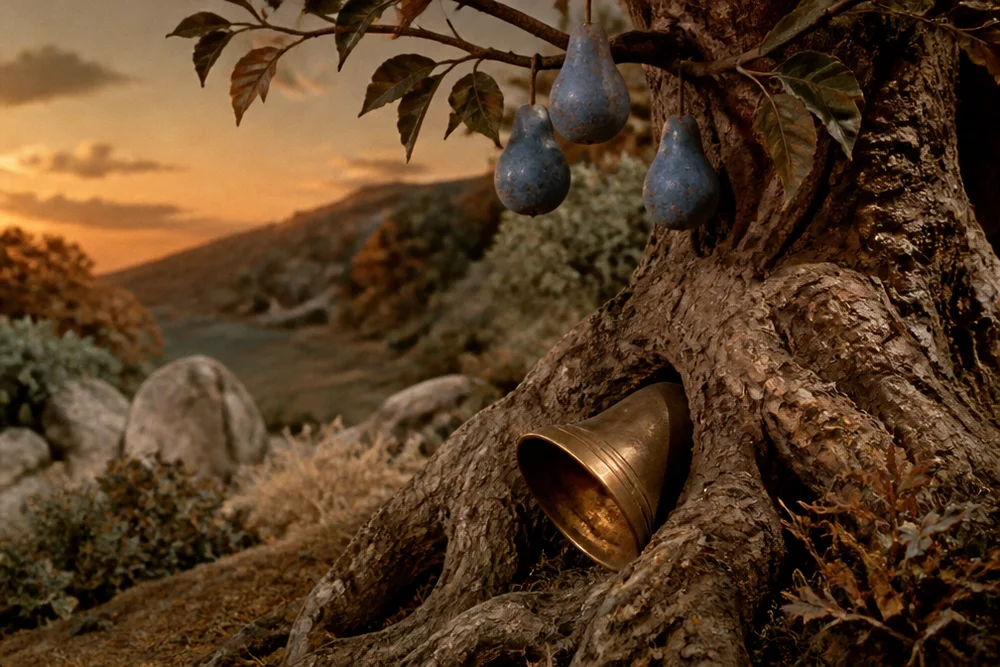
Blue Pears and a Bell with Roots
Every pear in the orchard turns blue overnight. By morning, Ada Moorold has found a bell growing out of an orchard root.
-
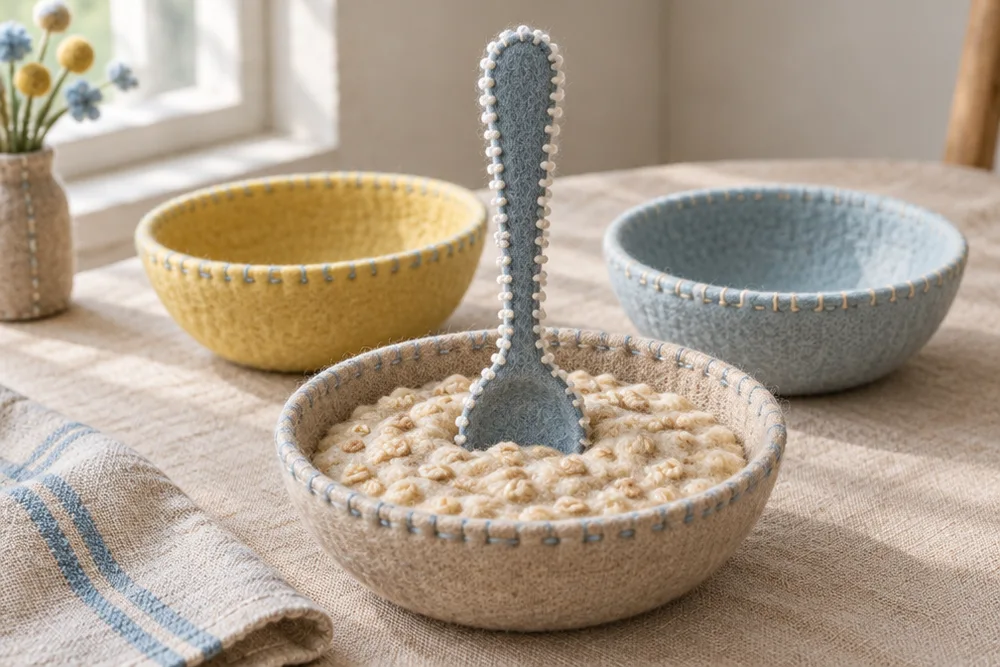
Grandmother, the Porridge Is Freezing
By breakfast, the spoon has frozen itself to the porridge. In a winter country where snow covers the roofs for half the year, eleven-year-old Berit Flaxmere wants to lead the first thaw feast, just as her grandmother, Aggi Flaxmere, always has.
-
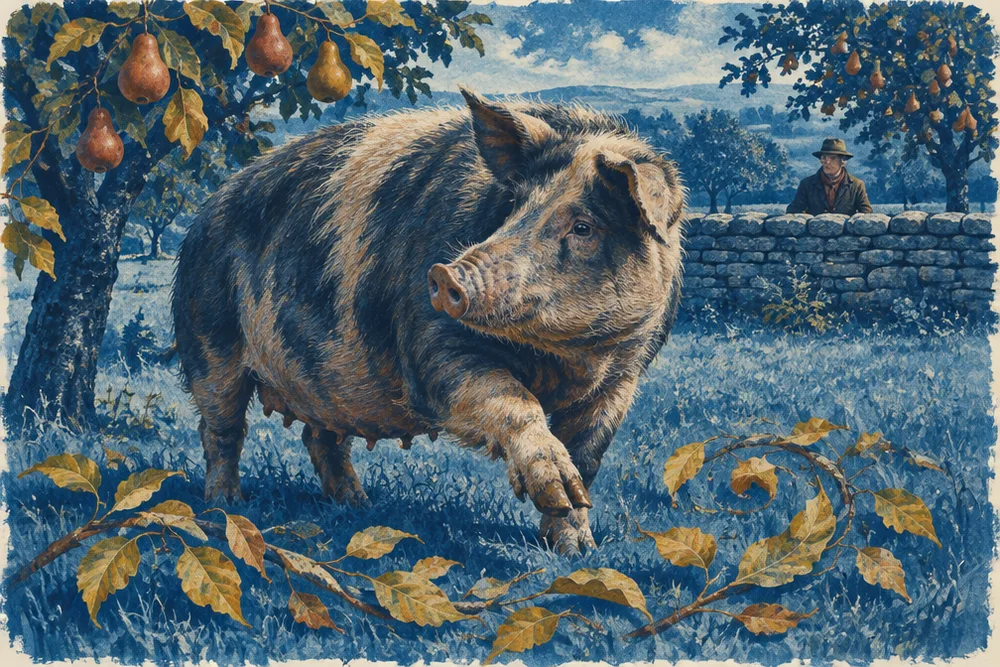
The Sow Who Stamped Twice
At the autumn dividing of heirlooms, Eppie Brackenroot asks for the one thing nobody can put in a basket: the complicated minuet only her human grandmother knew. The village steward says she may inherit it if she dances it before the assembly.
-

Let the Smallest Mountain Finish
On the morning the village votes to drain its last spring meadow, Isbel Graniteweft finds a pebble that has memorized the voices of seven mountains.
-
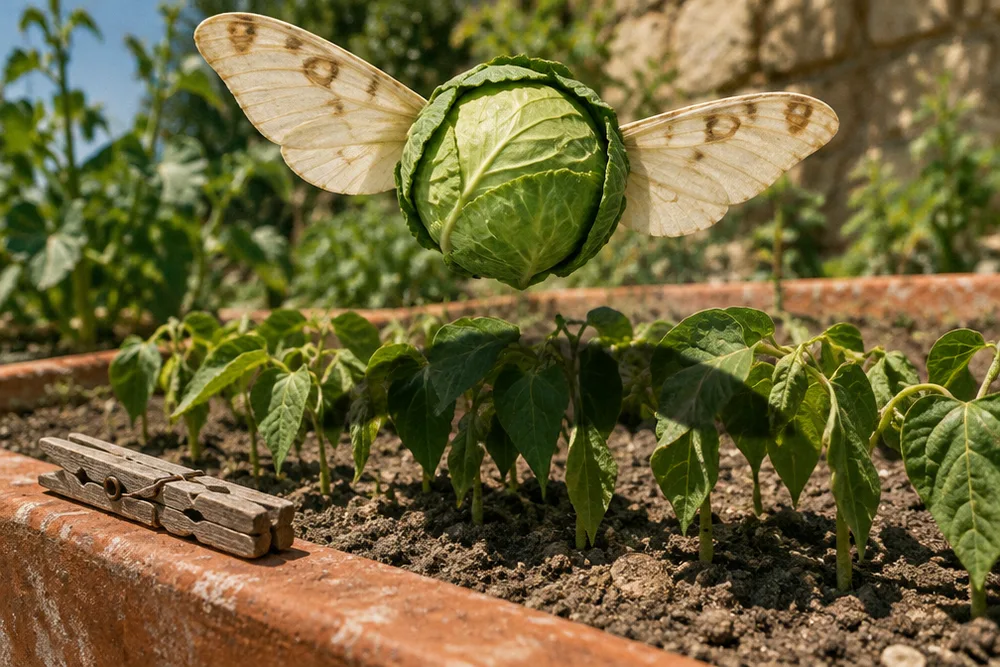
The Cabbage Gives Away Noon
The kingdom was three gardens wide, and its first cabbage with wings could shade all three. Florrie Mealspun, the youngest royal gardener, wanted it to shade her pea shoots through the noon heat.
-
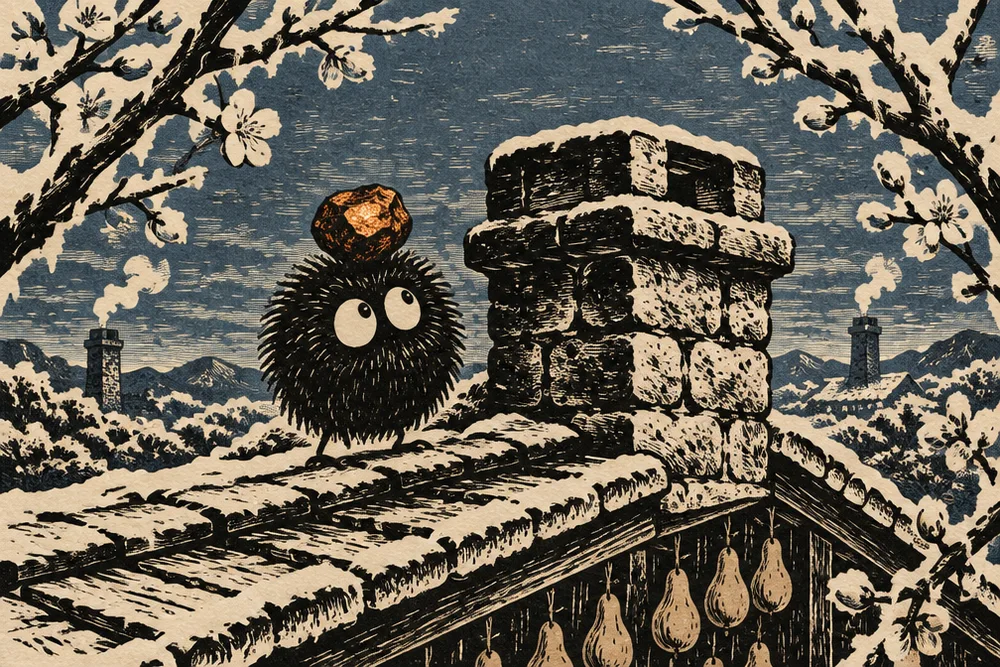
One Coal for Three Chimneys
The sun leaves a note at breakfast: it’s on strike and won’t be back until tomorrow. In a village built around a pear orchard, a soot sprite named Tippen Cindershoe has one live coal and just enough breath to warm one chimney.
-
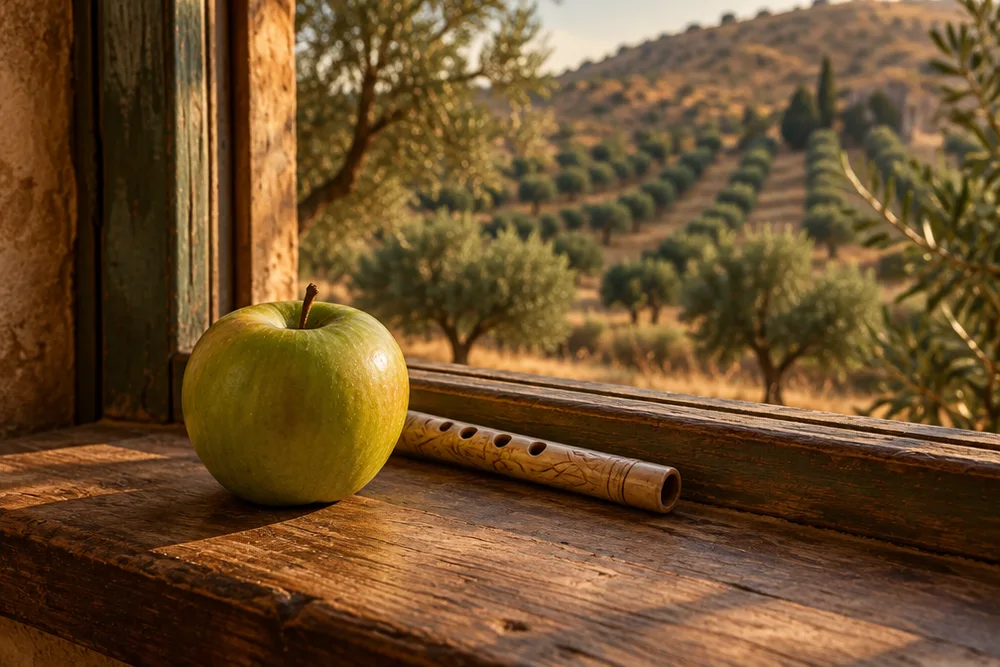
The Note That Woke the Apples
The first apple to wake asked for five more minutes. Oswin Rookstaff, the only bone-flute maker in a hillside town in the sandalwood country of Sereh, had meant to play the old tuning phrase: three notes over an unripe apple, which always stayed asleep.
-
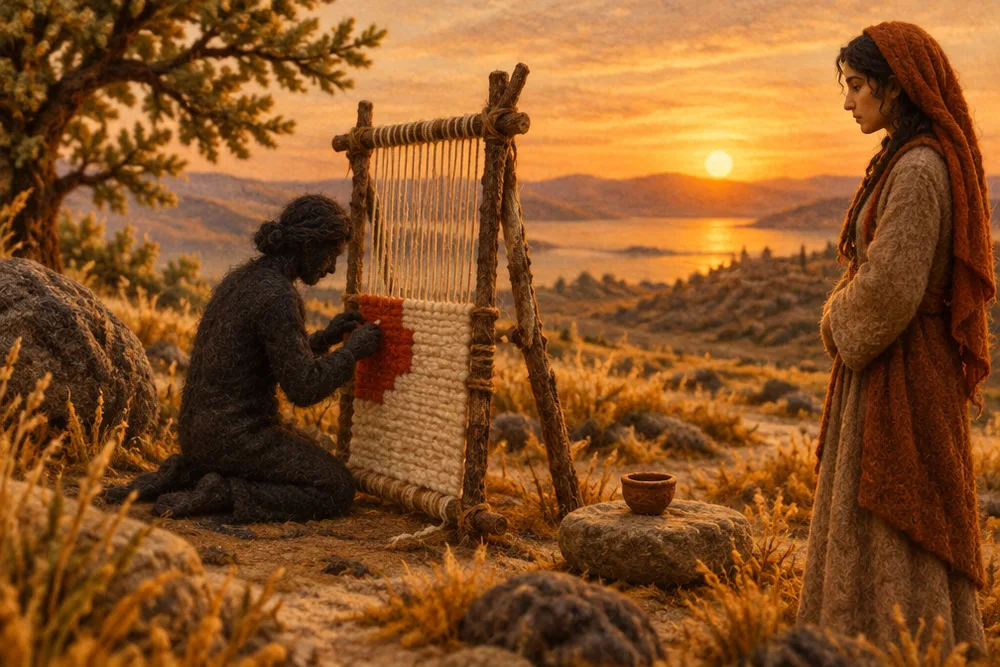
A Patch for the Cold
By dusk, Sahra Tiziriat has climbed the hill with her shadow rolled around a hazel stick. Its split lets the cold through whenever she bends to tuck her little brother into bed.
-
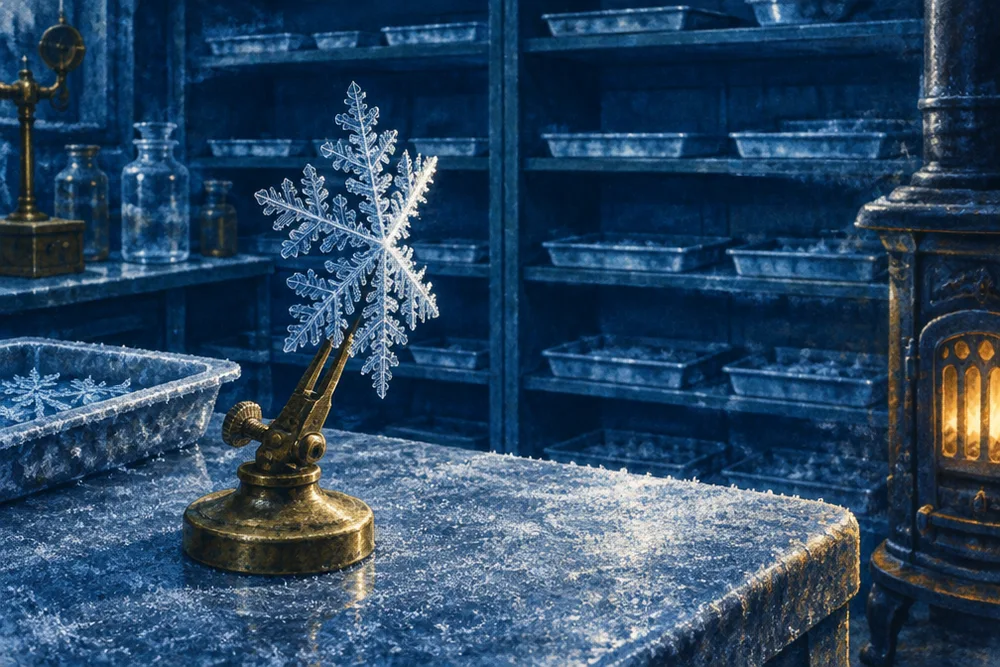
A Flake Held Edgewise
At the ice archive, the older borrowers lay their snowflakes flat and recite the weather; the younger ones hold theirs edgewise and tell what happened under it. Vadik Selmurin would rather give the temperature.
-
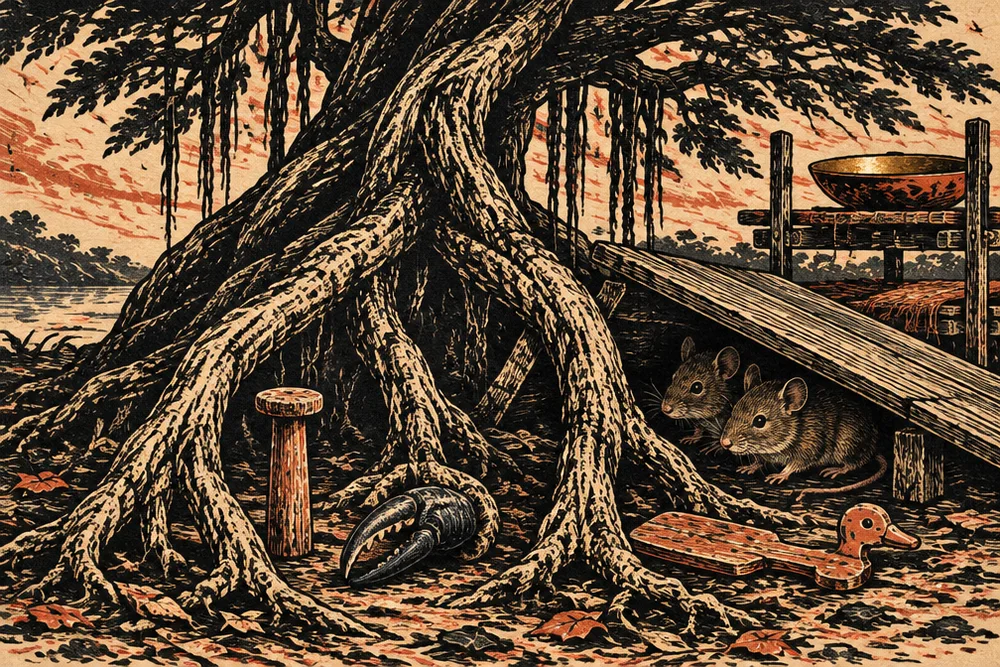
One Foot Short of Shelter
For nine mornings after the storm, the bent banyan drops a wooden foot at each of its three roots: a stool peg, a chest claw, a toy duck’s flat paddle.
-
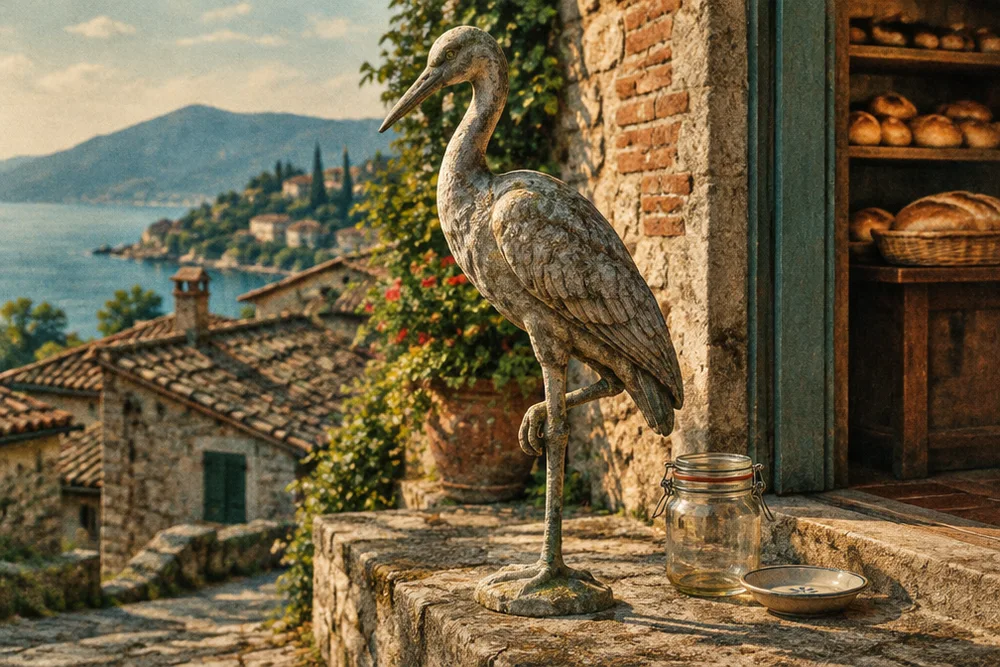
A Pinch to Hold Flintstep
Before she salts her dough each morning, Qiana Canehart lends a pinch of caraway to the stone crane outside her bakery. It always pays her back: by evening, the seeds have slipped from its beak into the saucer beneath its raised foot.
-
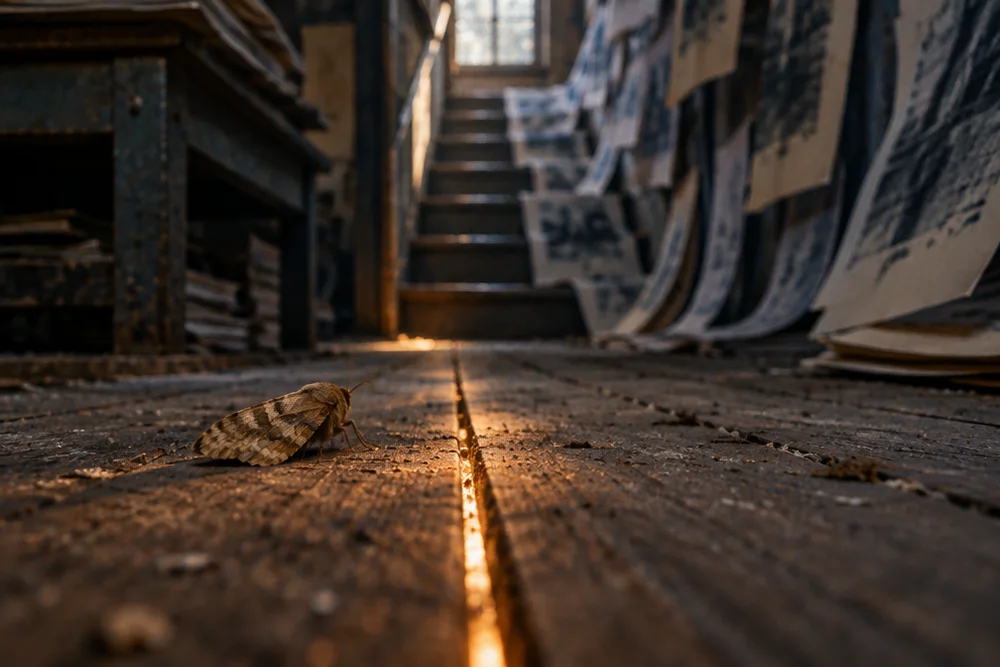
One Thumb Short of Daylight
On the morning the old printworks is to be bricked shut, Gedris Tallowcup goes back for his first plumb bob. The retired bricklayer wants to hang it over his granddaughter’s workbench, although it’s chipped and has hung crooked for forty years.
-
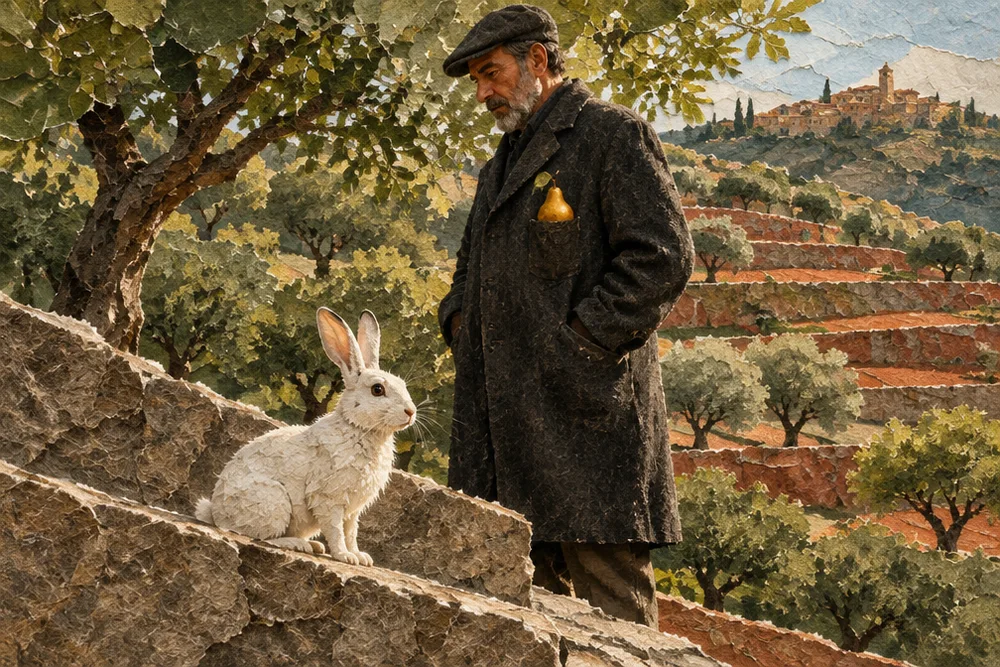
A Pear in Every Pocket
Every spring, Celia Marizco carries a sugar animal up her gran’s orchard terraces. This year it’s a hare, and Celia wants to reach the top before breakfast so Gran can taste the first pear from the tree she planted as a girl.
-
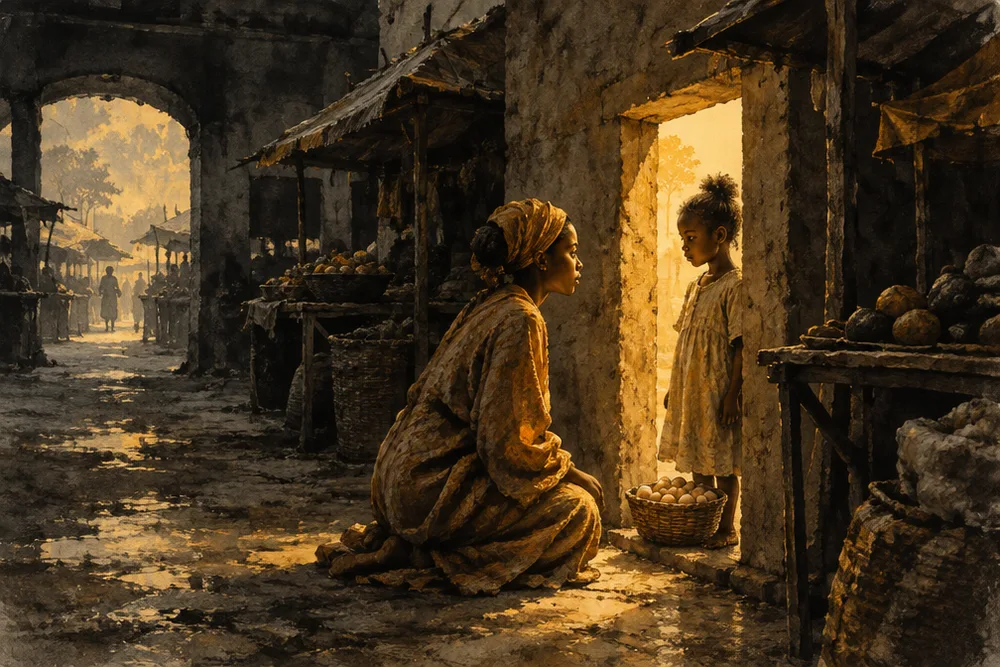
Dawn Has a Back Door
On her first morning as dawnkeeper, Akosua Meredu wants to open her little market early enough to sell her bean cakes while they’re still crisp. Her grandmother left her the right to open the dawn and a folded paper charm with a word tucked into its crease.
-
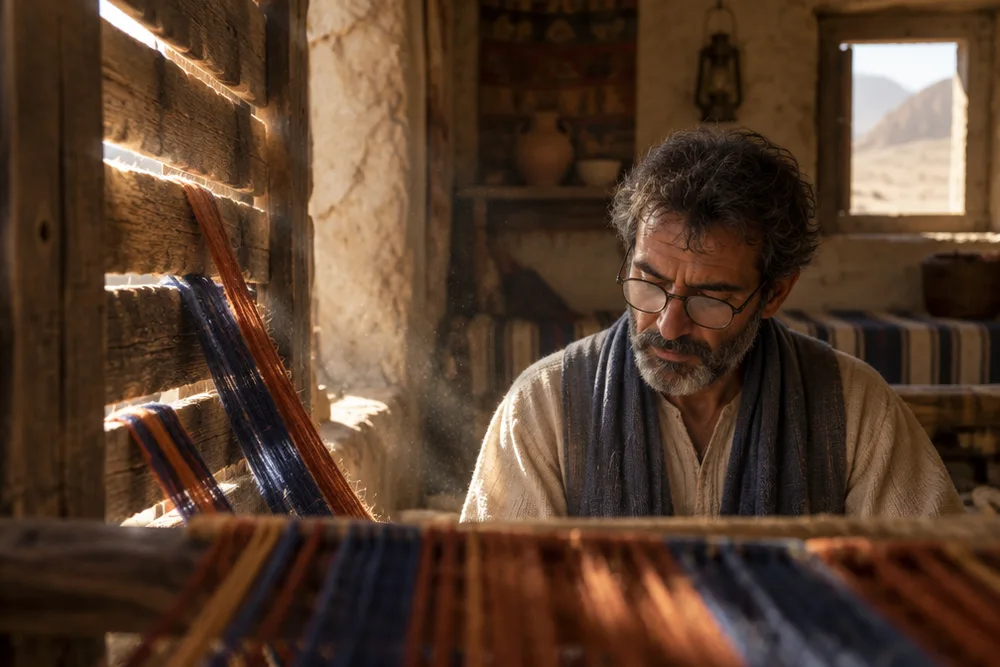
On Loan Until Clear Morning
By the time Urso Glazekeeper finds the door of the saltless desert inn, the sand has polished his spectacles white. He wants to weave a length of cloth fine enough to earn a stall at the winter market, but in the warm common room he can barely see his own warp.
-

A Cup for the Missing Verse
In Pebble Steam, a tea-growing village folded between two ridges, nobody is supposed to finish another person’s story. The rule is so quiet nobody posts it, and everybody breaks it: the baker at breakfast, the pruners at noon, Lian Yufangren’s uncles after supper.
-
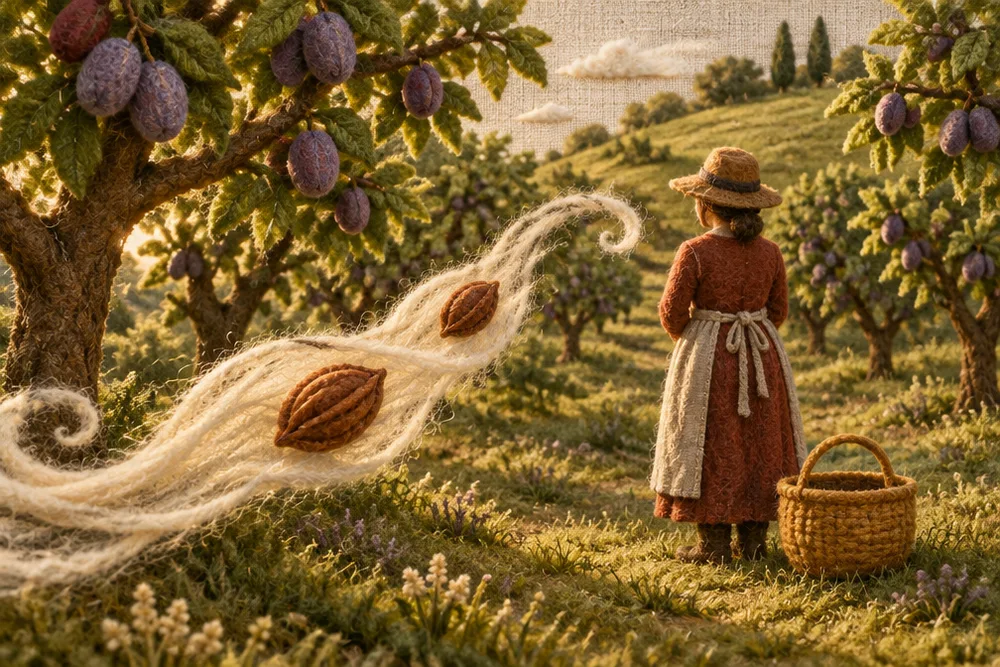
A Sour Plum Buys the Wind
On the morning of the plum fair, every ladder in the orchard comes up short. Orsa Quincey has promised a basket of ripe plums for the village’s first pies, but the only fruit within reach is one sour plum.
-
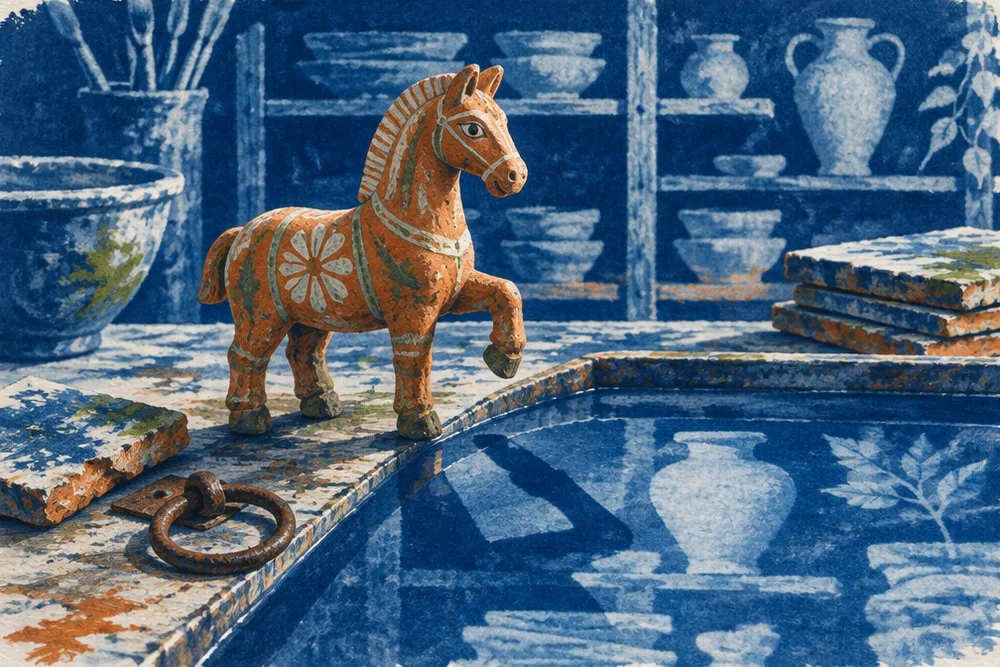
One Step for Every Sorry
By the time the well goes dry, young potter Linette Codling has saved almost enough to buy a kiln of her own. Then she inherits a clay horse that takes one step for each honest apology it hears.
-
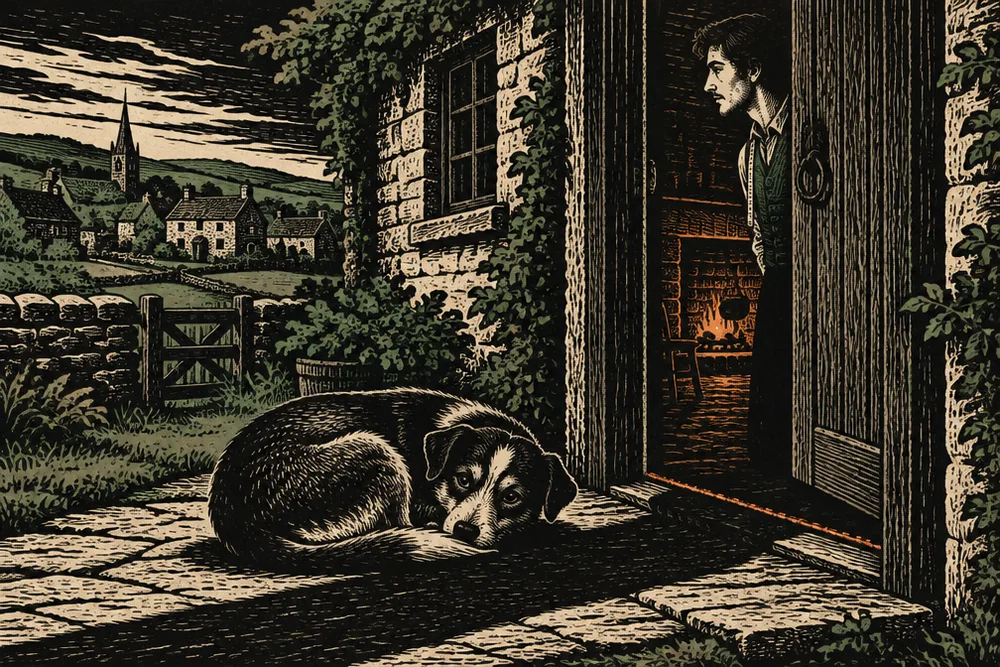
Where the Winter Shadows Sleep
In the hill village of Brackenstitch, the tailor’s shop has a fitting room for shadows. Agnes Thimbleby, the old tailor, sews each household’s shadow onto the wall by its hearth, where it keeps the warmth from slipping out.
-
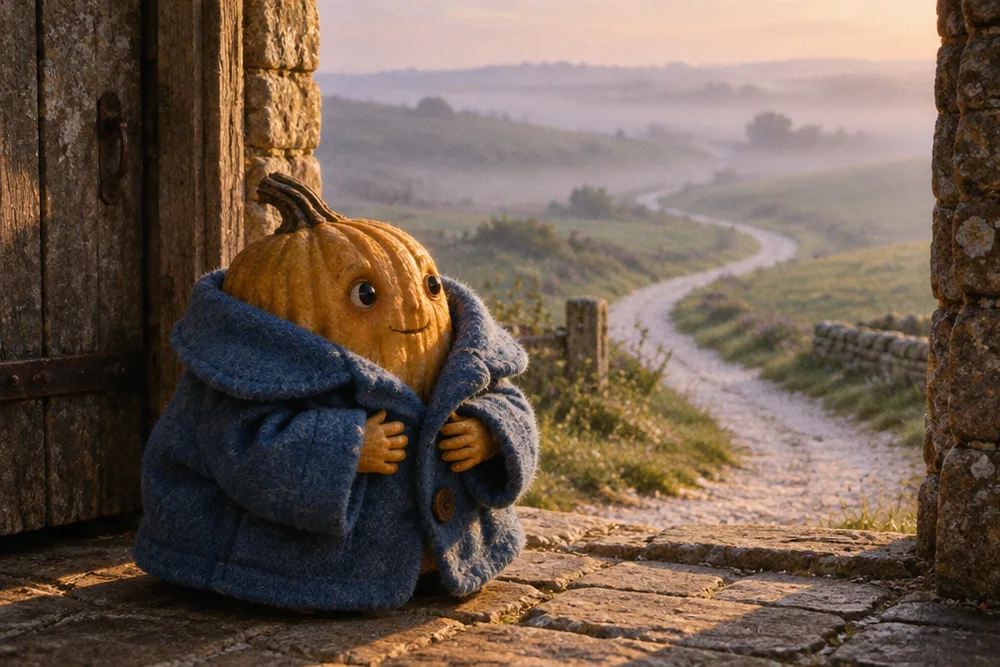
The Gourd With Three Names
Every time someone loses their way on the chalk downs, the gourd in the old tollhouse sings three notes, pauses, and sings them again. Iokaste Nektari wants to hear it just once before her family moves away on Sunday.
-
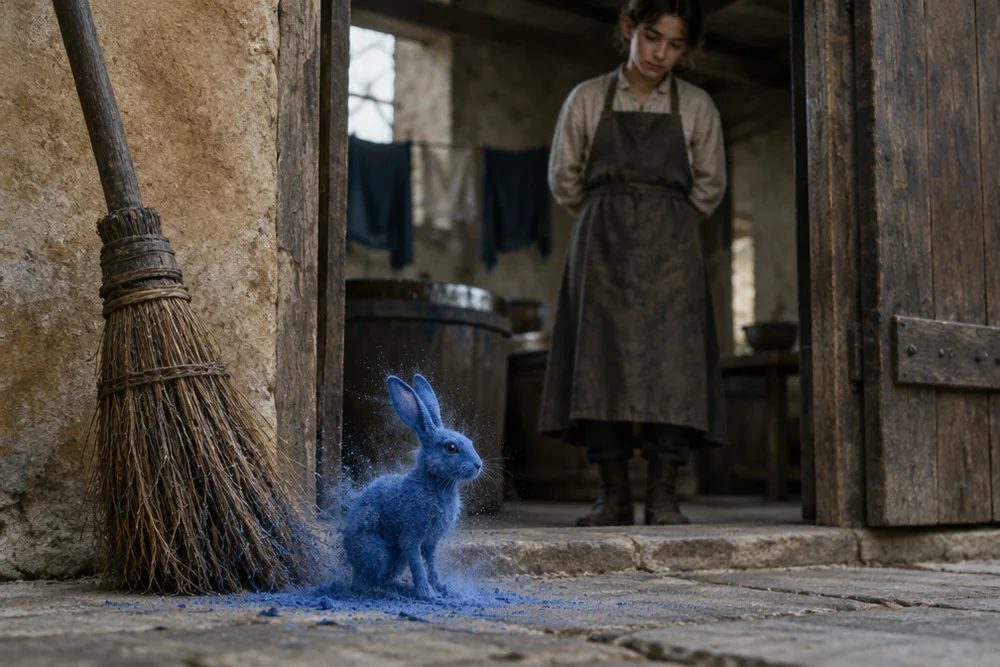
The Blue Beneath the Broom
By breakfast, the hill village of Brackenstep has lost its blue. Roof tiles, robin eggs, and even the sky have gone the color of porridge.